


Telling the Truth in a Time of Deceit (Part 1): Stella O’Malley’s Statement on Conversion Therapy
By Stella O'Malley
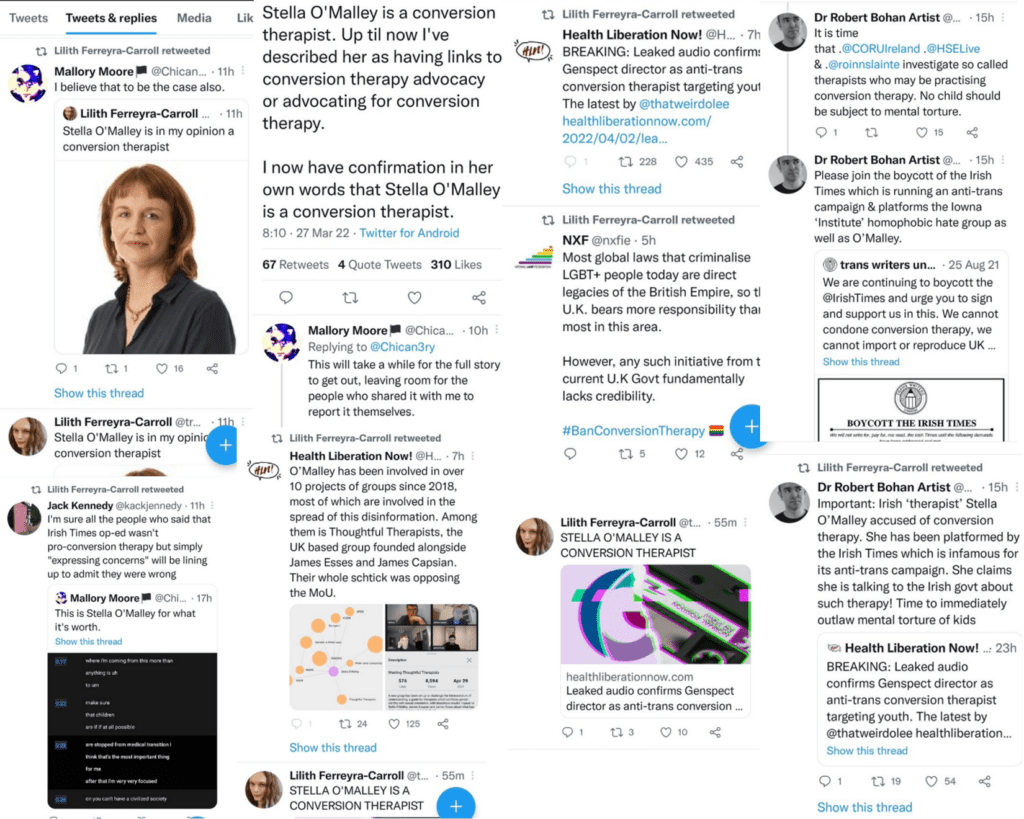
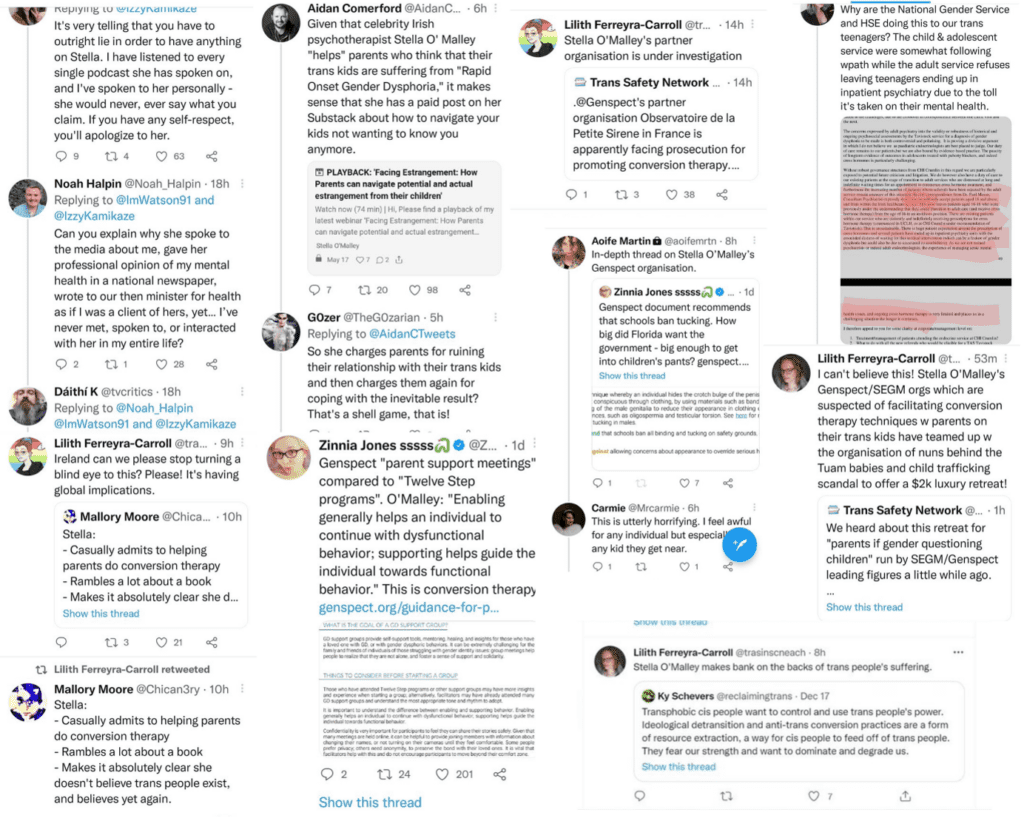
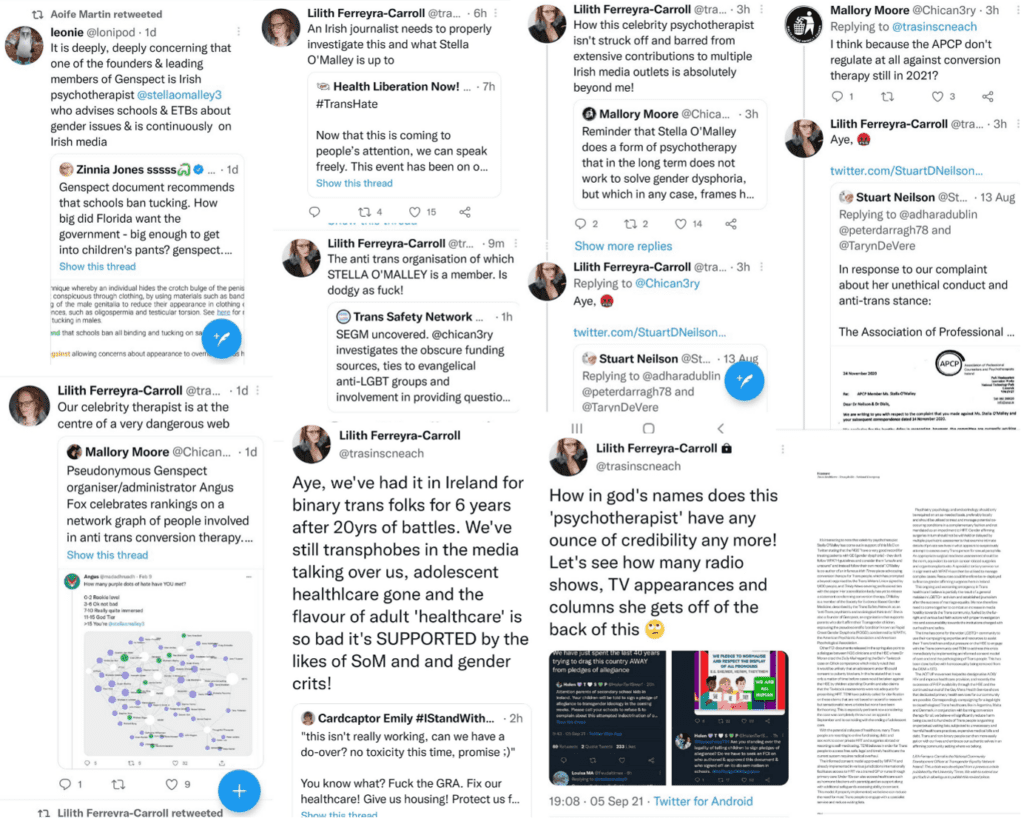
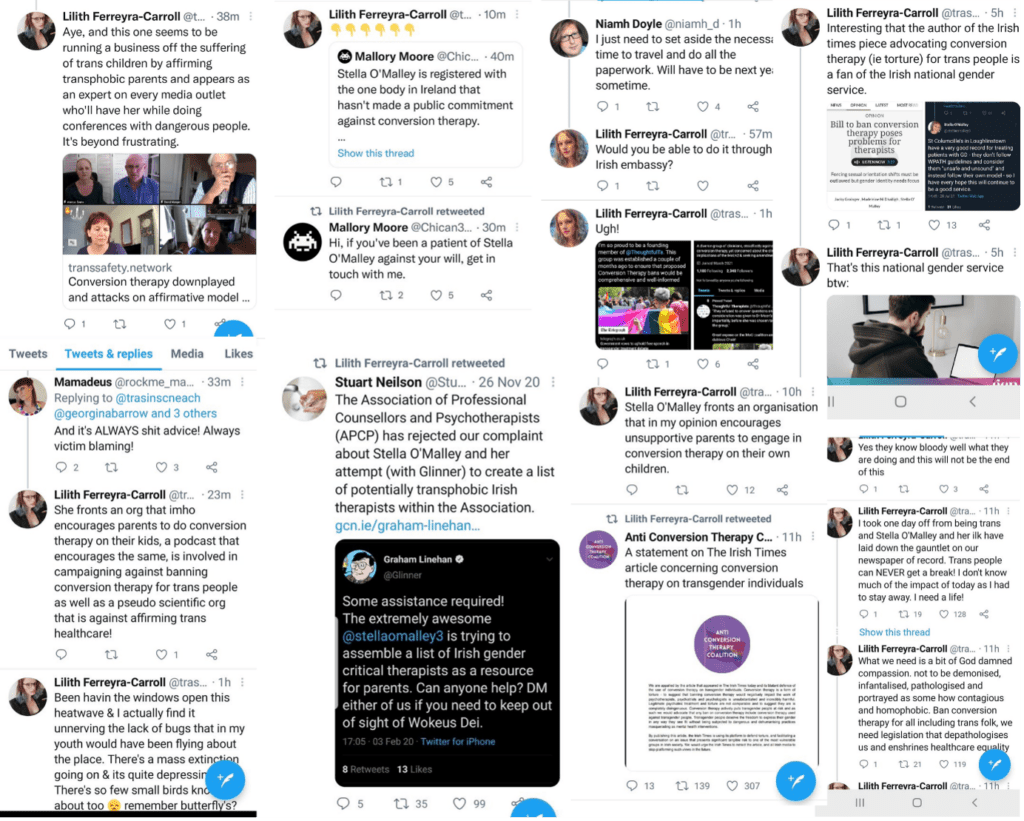
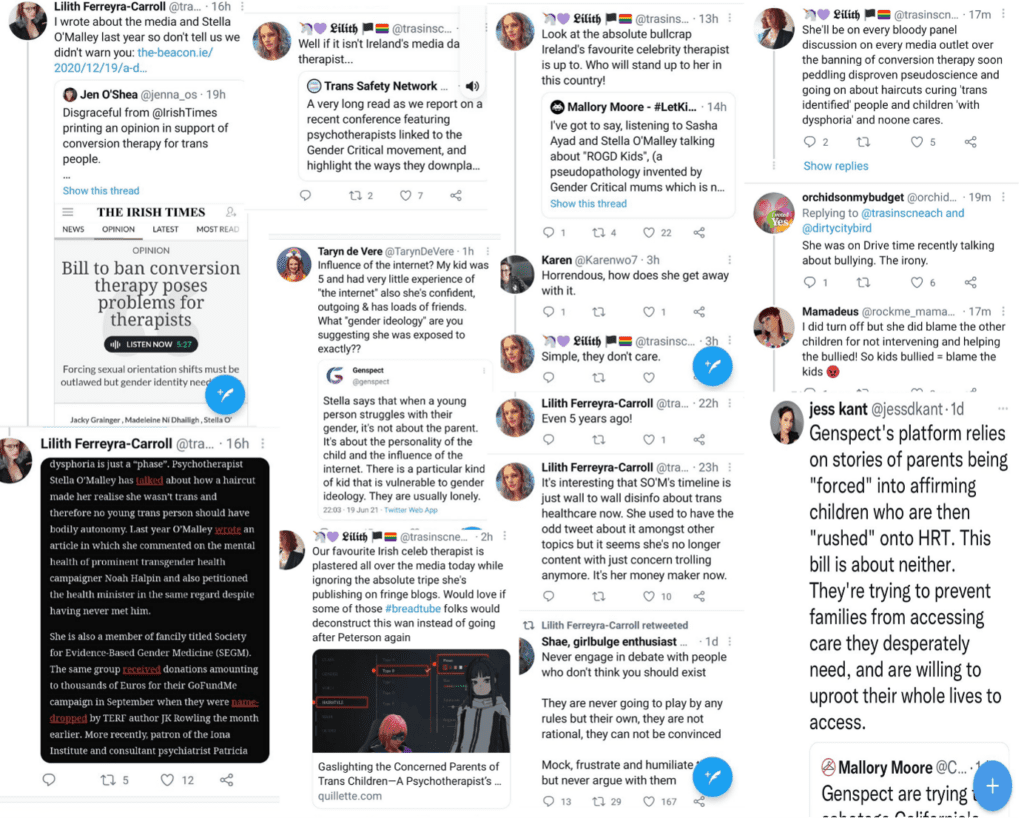
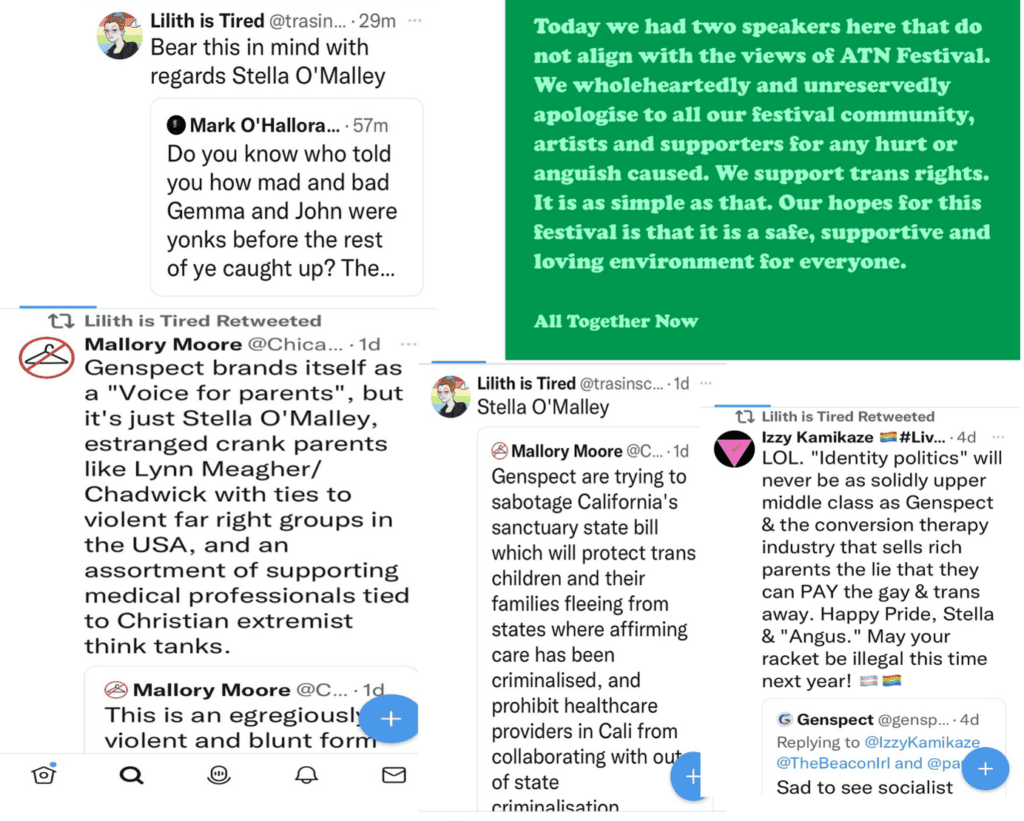
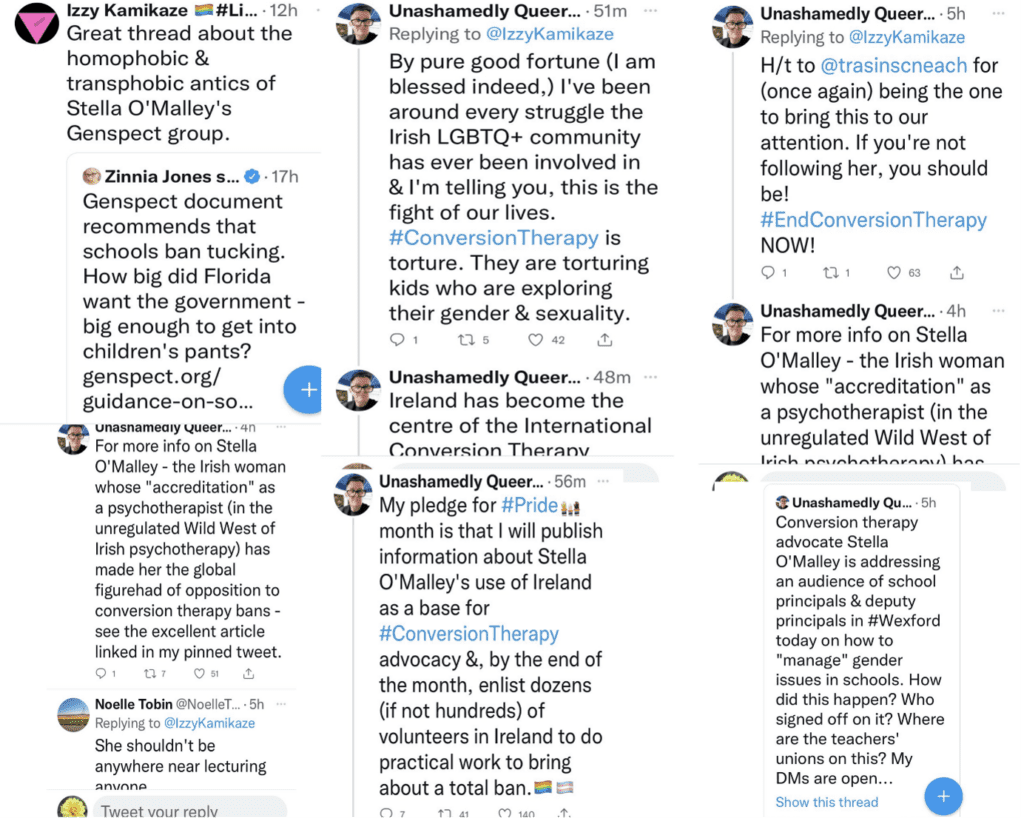
Certain trans activists have engaged in an extended campaign of online bullying against me and have inaccurately labelled me as a “conversion therapist” (see below). They have carried out this campaign because I chose to speak out about my serious concerns that vulnerable children are not receiving quality care for their gender-related distress. Ad hominem attacks are common in the digital world and I usually ignore them. However, now that trans activists have redefined what “conversion therapy” actually means, I decided it would be appropriate for me to clearly set out my stall so that anybody who wants to can figure out my position on this issue.
I’m not a conversion therapist as I think conversion therapy is abhorrent. Indeed I have made my position on conversion therapy very clear many times. Just recently I wrote an analysis of conversion therapy to try to shed some light on this issue. Last summer I was a signatory for an article that asked some questions about the proposed Prohibition to Conversion Therapy Bill in Ireland. I spoke about the issues related to this bill on Newstalk FM. It is my view, and also the views of many others, that the current Irish bill is very badly worded as it is open to misinterpretation and needs improvement. I gave a submission to the Select Committee voicing my concerns about the similarly worded Conversion Practices Prohibition Legislation in New Zealand. I continue to seek better services for gender-distressed kids – just yesterday I was quoted in the Sunday Times about the “unsafe” gender services that are currently available in Ireland.
I know what it’s like have gender dysphoria because I experienced it for years when I was a child. I know how hard it can be. And this is perhaps why I care so much about providing high-quality care for these kids. My concerns are not unusual and have recently been echoed by the independent Cass Review and Dr Paul Moran, consultant psychiatrist at the National Gender Services in Ireland. These very same concerns are also the reason for the class action that is being taken by “at least 1000 clients” against the Gender Identity Development Services at the Tavistock.
The fact that I favour one therapeutic approach – the gender exploratory approach – over another approach – the gender affirmative approach – to treat gender dysphoria does not make me a “conversion therapist”. The reason why I am against conversion therapy is because I don’t think any therapist should have an agenda and nor should they have a planned outcome for therapy. I think ethical therapy should be exploratory where therapists and clients work collaboratively to engage in a thoughtful and compassionate therapeutic process.
The reason why I favour Gender Exploratory Therapy is because I think it is a much better approach than the new, experimental and narrow-minded gender affirmative model. Gender exploratory therapy is based upon well-established, conventional, therapeutic approaches that hold with the common sense idea that it is more beneficial to have reflected upon our inner motivations before making any big decisions. This approach recognises that therapy can be valuable when self-awareness is increased and insight is improved. Gender Exploratory Therapy brings about a deeper understanding of the person’s sense of self within a compassionate therapeutic process. As it prioritises the least-invasive-first approach, I believe it has a valuable role to play for anybody exploring their gender identity.
For someone like me, who has worked as a psychotherapist for many years, trying to explain why conventional talk therapy approach is more useful than blind affirmation is like trying to explain that water is wet. I get the splutters. For example, if a client seeks therapy for their fear of flying, I wouldn’t mindlessly nod along as he tells me that he should avoid all aeroplanes, and nor would I actively help him to try to remove aeroplanes out of the sky for fear that it might be triggering for him. Empathy comes very easily to me and I think my empathy is the trait that I value most in my psychotherapeutic work. So if a client had a fear of flying, I would gently engage in a collaborative therapeutic process that would work through the inner workings of his psyche. It is through reflective dialogue that helps the client to make their own decisions and this is why exploratory therapy is pretty much a fundamental aspect of every therapeutic approach – other than the affirmative approach.
The gender affirmative care model is an experimental approach to gender identity that has only been in existence since 2012. The Cass Review has recently described this approach as “not a safe or viable long-term option” for children. Gender affirmative therapy has been described as the “nodding-dog approach” where therapists act only as facilitators, without offering any exploratory thought or thought-provoking analysis, or encouraging the individual to consider their unconscious motivations. The gender affirmative approach is child-led rather than child-centered and promotes early and aggressive medical intervention for children. Advocates for this approach tell us that children between one and two years old can give a “pre-verbal communication” about gender. There are four stages to this approach: first the child socially transitions whenever they want, which entails a name change, a pronoun change and going to different toilets. Then puberty blockers are offered when the child reaches puberty. After that, cross-sex hormones are offered, and then finally when they’re an adult, surgery is offered.
Genspect, the organisation I founded, seeks higher quality care for gender distressed young people that takes a holistic view of the individual, as recommended by the Cass Review. This ensures that all their needs can be taken into account. Genspect has a programme called Beyond Transition that also provides support to many detransitioners who are very angry with the damage caused to them as a result of the gender affirmative care that they received. I know too many detransitioners who believe that the affirmative approach failed them. Keira Bell is a friend of mine – she is very angry about the gender affirmative care model that prescribed her puberty blockers when she was a distressed 16-year-old living on her own in a hostel. Keira subsequently had a double mastectomy and then, when she hit her early 20s, she came to regret these decisions and she now wishes that she hadn’t been affirmed mindlessly by clinicians when she was young and vulnerable.
On March 12th this year, Genspect held a webinar to highlight Detrans Awareness Day and if you watch this you will hear many different stories from detransitioners who are furious about the gender affirmative care model. When I first followed detrans reddit in 2019 there were less than a thousand members. Now there are 37k members. Please take a few minutes to read their stories; the gender affirmative care model did not help these people.
There are literally hundreds of hours of content freely available about my views on gender which is why I didn’t think I would have to protect myself from the dishonest accusations that are outlined below. Sadly many people use Wikipedia as a way to educate themselves, even though Larry Sanger, the man who co-founded Wikipedia, has cautioned that this website cannot be relied upon to give people the truth. Wikipedia can be gamed and trans activists use Wikipedia as a way to attack Genspect and myself. We are not given the opportunity to argue the points as the moderators always side with trans activists, no matter how many quality references they are supplied with. Consequently, articles by gender extremists such as Lee Leveille, are favoured over the more conventional Sunday Times.
Thankfully nobody needs to rely upon Wikipedia in this context – Genspect’s views are freely available on our website and the podcast that I co-host, Gender: A Wider Lens, gives a comprehensive account of my views. The following is a selection of interviews I have done with people who have medically transitioned who are also very unhappy with the gender affirmative care model:
- Debbie Hayton, transwoman: https://gender-a-wider-lens.captivate.fm/episode/51-clearing-of-the-pink-mist-a-conversation-w-debbie-hayton
- Helena Kershner, detrans woman: https://gender-a-wider-lens.captivate.fm/episode/45-helena-part-1-social-justice-fandoms-ftm-gay-boys
- Helena again: https://gender-a-wider-lens.captivate.fm/episode/46-helena-part-ii-advice-for-parents-from-a-former-trans-kid
- Anne Lawrence, transwoman: https://gender-a-wider-lens.captivate.fm/episode/67-pioneers-series-men-trapped-in-mens-bodies-with-anne-lawrence
- Aaron Michael Terrell, transman: https://gender-a-wider-lens.captivate.fm/episode/44-multiple-meanings-of-gender-dysphoria-a-conversation-with-aaron-terrell
- Carol, detrans woman: https://gender-a-wider-lens.captivate.fm/episode/15-one-detrans-voice-a-conversation-with-carol
- Aaron Kimberly and Aaron Terrell, two transmen: https://transparency.podbean.com/e/a-good-bad-craic-with-stella-o-malley/
- BUCK ANGEL, transman: https://gender-a-wider-lens.captivate.fm/episode/8-transgenerational-wisdom-a-conversation-with-buck-angel
- Corinna Cohn, transwoman: https://corinnacohn.substack.com/p/bully-proofing-the-grown-ups-with-96f#details
- Zander Keig and Aaron Kimberly, two transmen: https://www.youtube.com/watch?v=Pxg2tWPRdSA
- Sinéad Watson, detrans woman: https://www.youtube.com/watch?v=Nr3z34RW_h0
The online abuse from the trans activists has been difficult to handle. I have written a book about bullying and so I know this world well. Sometimes it’s better to ignore the bullies, sometimes it’s so toxic that you need to remove yourself from the environment, and sometimes it’s better to fight back. I have chosen to fight back because I think that’s the right thing to do. Of course it is not only me that is being bullied – there is a culture of online bullying on social media that needs to be called out. People who don’t know any better make mindless and offensive statements because they fear the mob of online thugs who are trying to silence everyone who doesn’t agree with them.
Yet the middle ground is full of reasonable people who can handle disagreement. It is said that roughly 85% of people are in the famous middle ground. It can feel scary to speak up when we read about how Salman Rushdie, the great defender of freedom of thought and expression, got stabbed in the neck as he was set to give a lecture, and JK Rowling received a death threat from an extremist telling her “you are next” when she tweeted support for Rushdie. Most people are justifiably horrified by these stories and so they prefer to keep their heads down. Meanwhile the remaining 15% speak up loudly about their views. I look forward to the day when the 85% feel that it is safe enough to speak about controversial issues because right now too many people feel silenced.
This is a flavour of the extended campaign of bullying I have experienced. There are many, many more examples to choose from. Members of the lobby group, well-paid professionals with positions of responsibility, have already been cautioned for their social media use yet they continue to hurl abuse at me and any doctors who don’t agree with them. Some of them have made hundreds of tweets about me – one of them has gone into the thousands. I’m not ashamed to show this as I haven’t done anything wrong: this relentless cruel and vindictive campaign reflects more on the bullies than anyone else.
Any support you can offer is very gratefully received.