



“I Just Wanted to Live a Normal Life”
By Genspect

A new video from Jonni Skinner, plus a conversation about the turning point, stepping back from transition, and finding support with Beyond Trans
At 13, Jonni Skinner was told that transition was the only way he would ever live a normal life. This film follows what happened next. In the conversation that follows, he describes the turning points that changed how he saw what had been done to him, the difficulty of stepping back, and what he found (and didn’t find) in the Beyond Trans support groups.
Genspect’s Interview with Jonni Skinner
Genspect (G): Listening to your story, it seems there were many points where things felt off. Was there a tipping point when you began to think about your experience differently? Why do you think it happened when it did?
Jonni Skinner (JS): Yes, there were times things felt off. Be it symptoms I was experiencing on HRT or promises made to me by my providers not aligning with reality, I justified all of it under the explanation that my brain formed differently in the womb, so therefore my gender dysphoria could only be cured or alleviated via transition. It was hard to question things when I was so young, and the way my doctors interacted with me seemed so kind at the time. Even after my first endocrinologist stopped speaking to me when I was 17, I was so used to blaming myself and didn’t have any understanding of professional conduct for a doctor that I just moved on to a different provider.
This changed for me when, in December of 2023, the endocrinologist who took over my care suggested I take a break from HRT, followed by the release of the WPATH files in March of 2024. It was the release of these files that set in stone the dawning realization that I was ultimately lied to by my original providers and was misled completely. It was a slow process of realization as I faced the sunk cost fallacy relating to my transition; however, it was the information within that exposé that ultimately sealed the deal for me and shut the doors to retransition in my case.
G: Can you take us through how you first heard about Beyond Trans?
JS: Yes, absolutely! On February 25th of 2024, the Beyond Trans groups were suggested to me because they offered access to peer support groups where others would have had similar experiences to mine regarding transition-related topics in an open, non-judgmental setting. By this time, I was having severe doubts about my transition but had not seen the WPATH files, as they were not released, nor had I had access to my medical records. I wasn’t yet fully confronting the gravity of the abuse and fraud I was subjected to by my original providers of GAC. It took time for me to fully digest what I experienced as a kid and to fully confront the reality of what my original providers did to me before I had the capacity to understand.
G: How long have you been attending Beyond Trans meetings, and what are they like? Is there anything that surprised you?
JS: I attended the Beyond Trans meetings periodically from 2024 up until 2025, and still occasionally in 2026 when it aligns with my schedule. The best way to describe my experience with the groups is that they offer a purely supportive environment. Usually, we take turns sharing, sometimes with some guidance from the therapist helping to facilitate, or from others who can relate. There’s usually a prompt given in the beginning to help get people’s thoughts flowing, but no pressure to stay on it.
I never felt any pressure to go one way or the other regarding my transition; they even have open groups that are not explicitly detransition-focused. I was asked questions regarding my past by others in attendance, and because I was with others in similar situations, I was able to come to a more organic understanding of myself and what happened to me rather than being made to feel like I was the only one who had a negative experience with transition. It was very different from an affirmative model of therapy that automatically affirms without trying to understand the holistic reasons behind the decisions we make.
I found the team’s approach at Beyond Trans very valuable in my own journey. As for whether there was anything that surprised me, it was how many people from all different backgrounds, situations, etc. had similar experiences with GAC, and how many of us had similar symptoms or negative outcomes years following our initial procedures or start dates for HRT. The trans community made me feel that I was nearly alone in experiencing regret or the possibility of misconduct; however, these experiences seem to be far more common than we are led to believe by various folks within that community. That really shocked me, initially.
G: What was it like for you to step back from trans identification, both personally and with other people?
JS: This is a complicated answer. Stepping back from transition was incredibly challenging. Both personally and with others. I would love to say it went smoothly, but realizing my body was irreparably shaped and molded for a purpose based entirely on a fraudulent representation of how I would be treated by others or how I would feel about my body in the future was an extremely hard pill to swallow. It felt like the sky was caving in.
After receiving my own medical records, it only cemented this realization that I was severely misled, and I felt my entire world was crashing down as everything- all the biases, preconceived notions that were the foundation of my identity and led to permanent body modification beginning when I was just 13 years old was exposed as lies. I felt as if some part of me, or who I believed I could have become, collapsed completely. I realized that in transitioning, I was chasing a mirage. A light at the end of the tunnel that I could never reach. I couldn’t escape who I was born to be, and the beliefs I had been presented with were a tainted framework that recontextualized the distress I was experiencing, but that was never really explored.
My distress relating to my appearance, my sexual orientation, how I would be accepted into society, etc., my original providers took it all to be evidence that my brain formed wrongly in the womb. That it was feminine but my body masculine, so therefore, I was born in the wrong body and needed to change everything about my body to align in order to be lovable or desirable to another person.
Realizing I was lied to and used in so many ways at such a vulnerable age, and that it led to permanent body modification that I couldn’t possibly understand at the time, was a crushing realization. It was coming to an understanding of a sort of complex medical abuse so deeply profound that I still almost find it difficult to put into words.
As for how it affected others and how my experiences have been coming out to others, it’s been very mixed. Some, like my mother, previous coworkers, and some friends, have been wonderful. Although many had questions or were heartbroken that they hadn’t seen I was being misled at first, many have been completely understanding. I have also had some difficulty from former friends, followers, and even family who don’t understand or don’t want to. As difficult as that has been, it’s really just brought to my attention that their reasons for supporting my transition were not right or for my benefit in the first place.
Everyone’s situation will be different, but I found having a support group available where many of us have been through similar experiences was helpful for me because I no longer felt alone, and I was able to digest my experiences without feeling like I’m somehow to blame for the negative reactions of those who are rejecting me because of my detransition.
Unfortunately, many people have different beliefs, experiences, and other reasons to support a transition-only framework. When they see the harm, many will deny it. At first, I took this deeply personally and felt very alone until I learned this was a common experience for detransitioners, even for those of us who aren’t public advocates. It’s important to have a support system and know that even if you don’t feel like anyone around you understands, the world is big enough that someone will always feel compassion for your situation and want to help you where you are.
G: What is the most important thing that people need to know about stepping back?
JS: That there is absolutely no pressure to have a clear answer right away. It’s important to take your time and feel out what your next move is. First, request all your medical records, and take time to digest your feelings, really explore them, and figure out what the next step might be for you. And know there are places you can go to talk, where many people are either in a similar position or trying to understand, so they can help you.
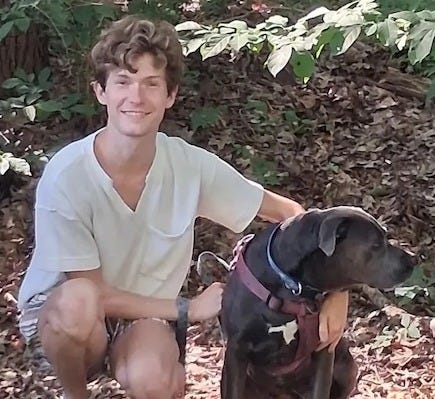
Jonni Skinner is a 23-year-old detransitioner and Genspect ambassador who began medical transition at age 13 and has since spoken publicly about the long-term consequences of that treatment.
Learn more about Beyond Trans
Recovery is the Way Forward
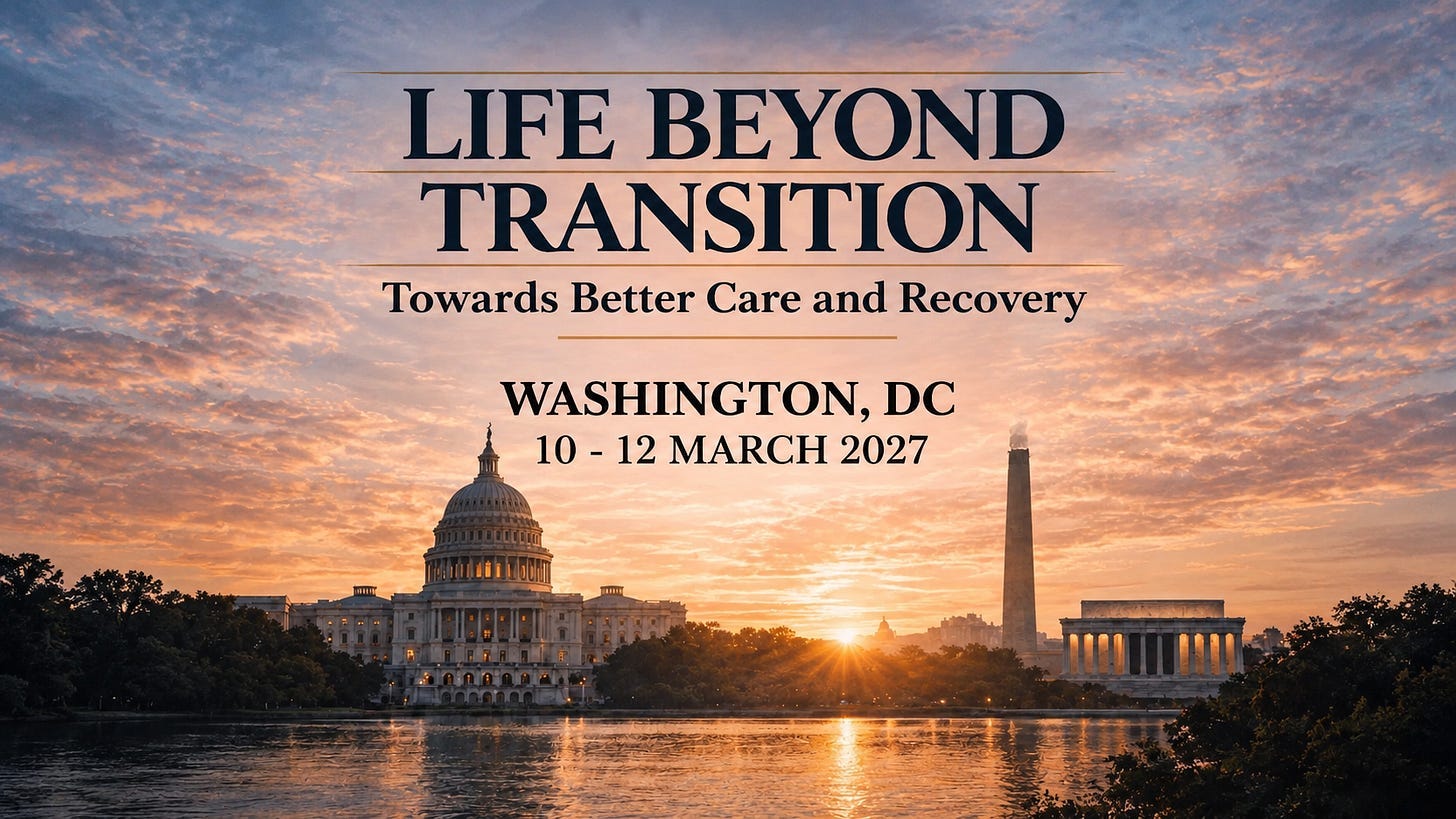
Join Genspect as we move conversation beyond critique and towards solutions.
This year’s conference brings together detransitioners, parents, clinicians, policymakers and legal experts to build compassionate, practical and psychologically informed approaches to recovery and care.