


A Letter from Me to You on Binders and Corsets
By Evelyn Ball
If I were a teen today struggling with my changing body, this is what I’d need to hear.
Hey, you,
Are you thinking of getting a “binder”?
I hear you. I’ve been there: Wanting something different to make my life better, to help me fit in, to fit me.
Your body is growing in all directions, and it feels strange. Uncomfortable, maybe even wrong. Your breasts started growing, and suddenly, you don’t feel at home in your skin. They feel weird and alien.
Some girls seem fine with this, but they’re not like you. And you’re thinking you’re different, not like them. And now, there’s this thing you’ve been made aware of—a binder.
Everyone online seems to be talking about it. They make it sound like it’s a normal step. Even a cool step. You’ve never done something to help yourself grow up before, so it feels kinda right, even exciting. And it seems like what you should do when you don’t belong in the “girl” box you’ve been shoved into.
There’s just something I want to tell you about. Before you get too excited about the idea, or go buy one, or put the binder on a pedestal and get super fixated on how it can help you…Can you slow down for a minute and take a breath? A breath, or two (which binders kinda mess with).
Let’s go back in time for a minute.
The Binder & the Corset
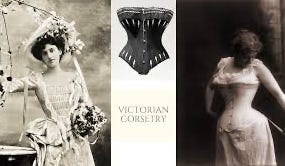
There was once a super-popular thing called a corset. Women wore them for hundreds of years. Really (pictured above). Back when they used to wear big, fluffy dresses. Corsets were worn by teen girls and women under these dresses, but they were tight, stiff, and painful. Girls were told that wearing one made them proper, attractive, and acceptable. That a small waist and upright posture made them worthy. That’s what corsets did. They squeezed your waist and your ribs (and all the organs in there) to make an hourglass shape, like Barbie. How gross, right?
Corsets weren’t about health or comfort. They were about controlling girls’ and women’s bodies to fit a certain image. An image created by someone, somewhere else, that didn’t actually have girls’ or women’s best interest at heart. They were a way society said: “Your body as it is? That’s not enough. Let us fix it.” And society all over the world just bought into it!
Now today, you’re being told something kind of similar—but from a different angle. Think about it. I bet you’re thoughtful. You’re capable of going below the surface of what’s popular and thinking beyond the pressures of society. So let’s look just a little under the hood—let’s peek under the initial excitement and the idea that this will fix something about the way you are feeling or want to feel or look.
Now, with a binder, it’s, “Don’t look feminine.” “Don’t let your breasts show.” “Don’t draw attention.”
In some spaces, being soft, curvy, or obviously female feels like a problem. Like something to hide. It used to be something to accentuate, show off—some still see it that way. But now it’s also something to hide. Like, there are only two choices: show it off or get rid of it. The message is similar, your body is wrong, too shapely or not shapely enough…You can’t win!
Stop for a moment and think about it. Does this sound true in your social circles? How does this fit your experience?
Notice how binders are marketed and talked about.
Binder ads say: “Comfortable,” “classic,” “custom fit,” “flattering silhouette.”
Corset ads used to say: “Stylish,” “perfectly molded,” “luxurious comfort,” “desirable figure.”
See the pattern?
Just like corsets were once sold as necessary for a woman’s worth, now binders are sold as necessary for your relief.
Marketing. Yuk.
What If Your Body Isn’t the Problem?
Dude, girl, c’mon—your body is not a problem to fix. Your breasts are not shameful. They’re not a mistake.
Seriously, damn.
They (your breasts) don’t make you weak, or uncool, or trapped. Is it possible that maybe, just maybe, your breasts are a part of you that’s developing, becoming, in a season that is already weird and intense enough without the pressure to change your shape? Pressure to change you, fix you, mess with you?
Maybe this is just about advertising, groupthink and influence.
I know, you think you can’t be influenced. You think you came up with the idea yourself. Well, that’s how influence works. Think about how you found out—the way you thought and felt when you heard about it.
You probably felt like the binder might solve something. Like it promises to take the edge off your discomfort. Your ”dysphoria.” And then the stories that it’ll make you feel amazing! Euphoria..sure!
Yup. That’s called social influence and pressure.
Influence doesn’t feel like pressure. It feels like relief. That’s what makes it so powerful—and so sneaky.
We’re wired to go for it because it gets at our emotions. It tugs at the very thing we’re going through that’s emotionally difficult. But let’s see if we can keep our heads and wits about us.
Breathing = Freedom
Here’s what you also deserve to know:
Binders, like corsets, press your body in ways it wasn’t designed to be compressed. Binders, like corsets, restrict your breathing. Breathing…You know, that thing your body does to stay alive? What your body does to get oxygen to your blood and all your cells?
Breathing isn’t just about staying alive—it’s how we feel ourselves. That’s why we sigh when we’re overwhelmed, cry with deep sobs when we’re really upset, or breathe hard after running or laughing. Breath is how the body lets feelings move through and out. It gives us release, grounding, and even relief. When our breath is restricted, everything gets tighter—our thoughts, our feelings, our sense of who we are. We need space to breathe fully, because breathing freely is part of feeling free.
Okay, here’s more bad news: binders hurt your ribs, cause skin issues, and even change your posture and how you move. And if worn too long or too tight, they damage growing tissues–skin and shape. Your body is growing right now—it needs space, oxygen, and freedom. Isn’t that what you’re after? To feel liberated?
I know, you’re probably hearing that these issues are no big deal, maybe because someday you plan to get rid of your breasts altogether. Like it’s no big deal. Think about it. Who’s telling you this is no big deal?
Consider this: Sometimes toes are funny-looking (not mine, of course, lol). Anything we focus on can start to seem kinda wrong or weird. Even letters and words. You know what I mean? It’s true, right? Maybe that’s what’s happening to you! Maybe you’re overthinking your breasts and your changing, growing body.
Well, a binder, even though it promises to help, ends up getting you artificially shaped and misshapen and feeling worse about your body in the end. Of course, you’re not hearing that online, because that’s not going to sell you anything! And it’s not popular to tell you the truth.
Ask yourself something, honestly:
Would you be thinking about wearing a binder if no one had ever told you your body was wrong? If no one had told you being a girl—or looking like one—was something to be ashamed of?
Sometimes, trying to disappear our bodies is a way we cope with other stuff: with feeling misunderstood, othered, restless, unseen, self-conscious. I know about that pain. Most girls do. Even ones that look or seem happy being girls. There’s so much pretending going on! I promise you, so many young women and older women remember feeling that way.
But is the answer to flatten yourself until you vanish (or part of you does)?
What Are You Really Looking For?
Maybe, a pretty good answer is to grow into yourself—at your own pace, with interest and curiosity, not shame.
Shame is when you think YOU are wrong somehow. We used to call it out. Not that long ago, either. So let’s call it out right now. That’s about instilling shame in you. Whoever is doing that needs to be told that’s not cool.
Let’s be real. Being a girl does NOT mean you have to wear makeup or bras, or sext with boys, or gossip, or laugh at dumb jokes, or follow dumb stereotypes. That’s sexism talking. And not feeling totally “girly” doesn’t mean you’re not allowed to have a female body, or a body that is just you. Just yours.
There is so much space between rejecting femininity and rejecting your own body. Is it possible that someone is selling you, and some of your friends, a bunch of lies?
You are not broken or wrong, you know. That’s just an idea. You are changing. You are slowly becoming older You. Becoming is uncomfortable—it’s supposed to be. Kittens become cats. Puppies become dogs. But they don’t scroll on their phones and get told it’s not cool to grow up in their bodies.
And maybe right now you’re drawn to the idea of a binder because it feels like a way to take control. And to have a say about how you change. I get that. Just consider asking the harder question too: What is it I really want? Relief? Safety? Belonging? To have a say in my body? To take control?
You deserve all of those things—but not at the cost of hurting your physical body, or disappearing from yourself.
Life has these types of uncertainties and phases of change. Why not let them be, and just let them happen naturally? Can (or should) a caterpillar stop from turning into a butterfly?
Your Power: Saying No to Pressure
You are allowed to be unsure, to feel messy, awkward, mad, and to want things to slow down, speed up, or be different. And you’re also allowed to say no to pressures—from culture, from people online, from clubs at school, from other kids, even from within yourself—that ask you to twist, shrink, or bind yourself to be accepted.
Your body is not too much. It can just feel that way sometimes. And your discomfort? It’s not proof that something is wrong with you. Does it suck? Sometimes, yeah. But overthinking it just distorts something normal. Just like overthinking toes 😂 or words.
You need fun, adventure, laughs, curiosity, and connection. Not compression.
There are many of us who get this now. I’m not the only one. So I wanted to reach out and let you know. With no pressure to be anything other than who you are. Who and HOW you are, without gadgets that reshape and misshape your body. Think about it. Or don’t. It’s up to you. You’re free to think and to stop overthinking, too.
Corsets were a social pressure on females for hundreds of years. Now we have binders to try to tell us what’s wrong with us. Many kids are starting to see the same BS and lies, and are tired of it.
Someone who gets you and has been there,
— Me
A licensed psychotherapist and writer, Evelyn Ball channels her younger teen self in this piece to speak directly to girls questioning their bodies. Read more of her work on Substack at Evelyn Ball.
Everything You Need to Know About the Corset
The Dangerous Ways Ads See Women
The Corset: Fashioning the Body
Full Films for Discussion/Reflection
“The Social Dilemma“ (about influence and algorithmic targeting)
“Killing Us Softly” (explores advertising’s impact on body image)
Genspect publishes a variety of authors with different perspectives. Any opinions expressed in this article are the author’s and do not necessarily reflect Genspect’s official position. For more on Genspect, visit our FAQs.
Growing Pains
Join Genspect at The Bigger Picture conference in Albuquerque, New Mexico, September 27–28, 2025, where we’ll explore the social, cultural and technical forces shaping attitudes to emerging womanhood and manhood — what we’ve learned and what we need to do now. Register now at genspect.org
Tickets selling fast – secure your seat now.