



Why Depressed Children Shouldn’t Be Given Puberty Blockers
By D. Delaney
When I heard of “puberty blockers” being given to healthy children I was astonished. My own experience with hormone blockers had been devastating. “Of course!” said my oncologist, his face bright, the puzzle solved, “of course it would make your breasts lumpy!” I had been prescribed a hormone blocker to treat another problem and it had caused cancer. As part of the treatment for that cancer, I was given a GnRH Analogue called Leuprorelin acetate, marketed as Prostrap. It took me several years to realise that I too had been prescribed so-called “puberty blockers”.
Six years later, watching footage of the Genspect Killarney conference, I heard the testimony of Jet, a detransitioner who was given puberty blockers at 16. She described a state that I knew very well:
“while I was on puberty blockers I met a lesbian girl and I knew I liked her but … I didn’t have any sexual feelings for her. I didn’t want to kiss her. I didn’t have any sexual feelings because I was on blockers… I knew I was in love with this girl but I wasn’t experiencing that sexual attraction to her”.
I knew that feeling. When I was on Leuprorelin acetate I experienced a complete loss of libido, both in the sense of sexuality, but also in the sense that psychoanalysts use the word “sexuality”: joy in the body, the appetite for life itself. I had a bout of clinical depression in my teens. This was similar but different. There was no anxiety, but there was a lack of pleasure in everything. The colour had drained out of everything. I became disinterested. When I stopped taking Leuproprelin the depression disappeared.
“Puberty blockers” are part of a class of drugs called GnRH Analogues, Gonadotrophin-releasing hormones. Gonadotrophin is a hormone that stimulates the production of follicle and luteinising hormones that are in turn connected to the production of androgens and oestrogens. GnRH Analogues work because the molecule is so close to naturally occurring hormones that the body stops producing them when the molecule is introduced, as it is fooled into thinking it has enough, and a chain of processes that lead to the production of hormones is inhibited.
These drugs are prescribed to treat prostate cancer, breast cancer and endometriosis, to reduce the size of fibroids, for “male hypersexuality with severe sexual deviation”, to shut down the ovaries before stimulating them again for fertility, and for early puberty, that is for small children with a developmental disorder that causes them to go into puberty too early. There is practical magic in the naming of things. When a Dutch researcher heard the term ‘puberty blocker’ she exclaimed that it was just the thing that they were looking for to help gender-distressed children.
Leupropelin damps down the emotional response and it also stops the body from functioning properly. But quite apart from the deleterious impact on physiological development, the known effects of the drug would have a devastating impact on an individual’s development in childhood and adolescence.
The nurse who injected me with the drug every month was clearly uncomfortable doing so. GnRH Analogues are known to cause depression but this class of drugs has a brutal impact on the body: it causes joint pain, bone demineralisation, loss of sexual function, testicular atrophy in men, vaginal dryness, pelvic pain and painful sex in women. In men, it causes sexual dysfunction and can result in an obstruction of the urethra. It puts the liver under strain and causes hot flushes, excessive sweating, water retention, mood swings, insomnia and anxiety.
I experienced all of the female-specific side effects, which were far more extreme than the menopausal symptoms I suffer these days. I had hot flushes every 5 minutes for the 8 months that I was taking the drug, which was both debilitating and humiliating. I woke eight or nine times a night drenched in sweat, the sheets not damp, but wet. I had pain from the dryness which made it uncomfortable to walk, run, and cycle.
When we think of joint pain, we think of knees, elbows, knuckles, and shoulders. Leuprolin introduced me to the full extent of the joints of the body. The importance of the opposable thumb; all the bones in the palm, the wrist, and the knuckles of the hand, the arch of the foot, the horse-shoe hinge of the ankle: the joint where the collar bones meet the shoulder, the tiny joints in the ribs between the bone and the cartilage. They ached during the day and they ached at night. Exercising was painful but if I didn’t exercise my joints would protest at any movement at all. After a couple of days rest I found myself frozen in my armchair, my joints as stiff as a rusted bolt.
I suddenly understood the lack of flexibility that comes from joints stiff from inflammation rather than a lack of use. I became aware of older women with aching joints. We silently acknowledged each other, in supermarkets and yoga classes, recognising the movements that you make when shifting weight from one limb to another is effortful, unavoidable, and boringly, predictably painful. Walking was difficult. Carrying shopping home was a trial. Exercise classes became a necessary battle of willpower against pain.
Quite apart from the serious consequences of bone demineralisation in later life why would anyone deny children and adolescents the pleasure of simply being in their bodies? Why deny children and teenagers those activities—playing on swings, racing friends down the road, dancing, picking up their smaller siblings and swinging them around—that should be thoughtless, spontaneous, and joyful and make them boringly, predictably painful?
The depression in my teens came on very suddenly, but there was a long period of general unhappiness before it. As a child there were a number of difficulties in my family; my immediate environment did not feel safe and I was surrounded by unhappy adults. Although I remember secondary school as generally benign, I did suffer from poor health, low self-esteem, and anxiety. I hated my periods, they were too heavy to manage, and they were extremely painful. I longed to be a boy, and idealised men and men’s lives over those of women who seemed to me to be trapped in bleeding, inferior bodies. I found it difficult to make friends with other girls and felt my relationships with boys were better. I felt I wasn’t a proper person.
I don’t know how I would have reacted to the current cultural moment. Would I have picked on gender as the source of my problems? If the opportunity to live as a boy had been presented to me would I have believed in it? We are like insects trapped in amber in that our understanding of ourselves are subject to the cultural circumstances that we find ourselves in. For me the last gasps of punk and do-it-yourself culture gave me a framework to attempt to live life on my own terms. I wore my hair tangled and unkempt, shaved my head, wore jeans, boots, and oversized clothes.
I focused on college as the time when the world would open up with new freedoms, new friends, and new opportunities. I would be a better version of myself there. As it turned out I discovered that college was even trickier than school, the friends I made in the first weeks had all left by the end of the year. I felt that I’d taken the wrong subjects and was distraught about the lost opportunities. I dropped out of college and just tried to go to sleep. I slept all day and tried to sleep all night. I wanted the world to stop.
Depression is physiological. I had a sensation of a knot or a stone just under my ribs beneath my heart. It seemed to rotate slowly, and I swear there was a permanent lump in my throat. Everything felt difficult. I had no energy. I was struggling with dark thoughts that sometimes came unbidden, and sometimes inevitably, after a long time spent ruminating on stuff. I was a typical teenager: hopeful and idealistic, young and stupid, prone to foolishness, risky behaviours, struggling to develop discipline, naive and vulnerable. It is hard to untangle poor decisions that were a consequence of the depression or low self-esteem and those that were just from a lack of maturity. There was a lot of shame. I felt useless, like a failure, humiliated by the things that led to the depression and the fact of the depression itself.
At the lowest point, I felt as if I was at the bottom of the sea. My friends and family were physically close by, but they seemed a long way away, untouchable. They told me they loved me but the signal-to-noise ratio made the message faint. Nonetheless, those messages of love got through, though I imagine for those people sending them it felt like they were being bounced off a brick wall.
The depression I experienced on Leupropelin had a different quality. It was subtle and I didn’t recognise it at the time. Leupropelin destroyed my enjoyment of things. Not just big things but all things. It was an anxious time—I was waiting to see if the cancer had spread, but there was no existential anxiety. Life was dulled into shades of grey. Previously, I would feel a thrill of delight at accidental combinations of colours: the golden luminescence of the shampoo bottle against the cerulean blue of a face cloth. These were little bits of joy in my daily life. I have always loved music, but it became a series of annoying noises, and I switched it off. Books were print on paper. Films were moving pictures. I gave up drawing and painting. The twin passions of my life, art and music, faded away. I pushed at the piano keys wondering why I ever did that. I went through the motions and walked around galleries as I always had done. The pictures on the walls looked dusty, old stuff in a room. I wondered how I had ever been interested in them.
My libido was absolutely destroyed. I just didn’t fancy anyone at all. It felt like a crisis of identity—who was I even if I didn’t fancy men? At least I knew that something was off. I knew that if I didn’t listen to music, if colour didn’t move me something was wrong. I had memories of how things should be: what sexual desire feels like, the joy you feel when you are absorbed by work or surrounded by love. I knew what I was missing. I understood that there was something worth fighting for. But how would a child who had never experienced any of that know?
Jet, the detransitioner who was prescribed puberty blockers at 16 said she believed the medics when they diagnosed her as trans, but the medications “never worked.” She said, “I just became more depressed.” “The blockers stopped my sexual development, which is a pretty major thing in puberty.” She said, “going through my own sexual development… I have naturally grown into my body over these past ten months… with the sexuality that has also helped because I feel like I am existing in my body.” It was only after she came off hormones that she said she began to experience her own sexuality and came to understand what it meant to her. As Jet says, “You do need sexual attraction. It is important in the context of love.”
Normal depression numbs sensual joy but it doesn’t always destroy it entirely. After the darkest period—the weeks that I cannot remember—the depression would lift occasionally. I would momentarily find things funny, even delightful, get lost in a piece of music, or laugh at a friend’s joke. I’d get absorbed in a book, take pride in my work, and play the piano. I would daydream and plan for the future. I fancied some people a little bit, (although depression too dulls the libido). And then the sadness would come again, or something bad would happen, and I would be back down there again. But a friend would come around to see me, and we’d talk about things, and they’d drag me out into the world. I was physically fit. I was able to go out. I was able to enjoy some things, and each time I enjoyed something it seemed to open up new opportunities for pleasure: little cracks of light in a dark room until one day something falls away and the light comes flooding in.
Out with my friends, in a stuffy events room on a grey summer evening, I hear ascending helices of music and I allow them to carry me onto the dance floor. I dance. I dance amongst a smiling, joyful crowd. I wasn’t cured at that moment—depression takes a long time to recover from—but I was on the mend.
I was dancing amongst the people who would become my friends and lovers. I’d found a way to be joyful in my body, something to love and a way to express it. Those people were my peers. They would introduce me to new worlds of music and culture. They showed me my possibilities. I witnessed their struggles, stupidity, and triumphs. Some of them were the most amazing role models, achieving things that I thought were impossible, or doing baffling stupid things. One or two became friends for life, some were bullies or fools, and others would betray me. I got over it. A life lived without grief is one that is either tragically short or it is one that is lived without love.
Rites of passage are difficult by their nature, and can often be painful. Being a teenager is difficult, but the developmental process is necessary. Love, hope and pleasure help us deal with the pain. Memories of trials we got through help us face difficulties in the present. GnRH Analogues dull down emotions, and inhibit feelings of joy. They make the body unpleasurable and painful. They should not be given to depressed children and teenagers.
Genspect publishes a variety of authors with different perspectives. Any opinions expressed in this article are the author’s and do not necessarily reflect Genspect’s official position.
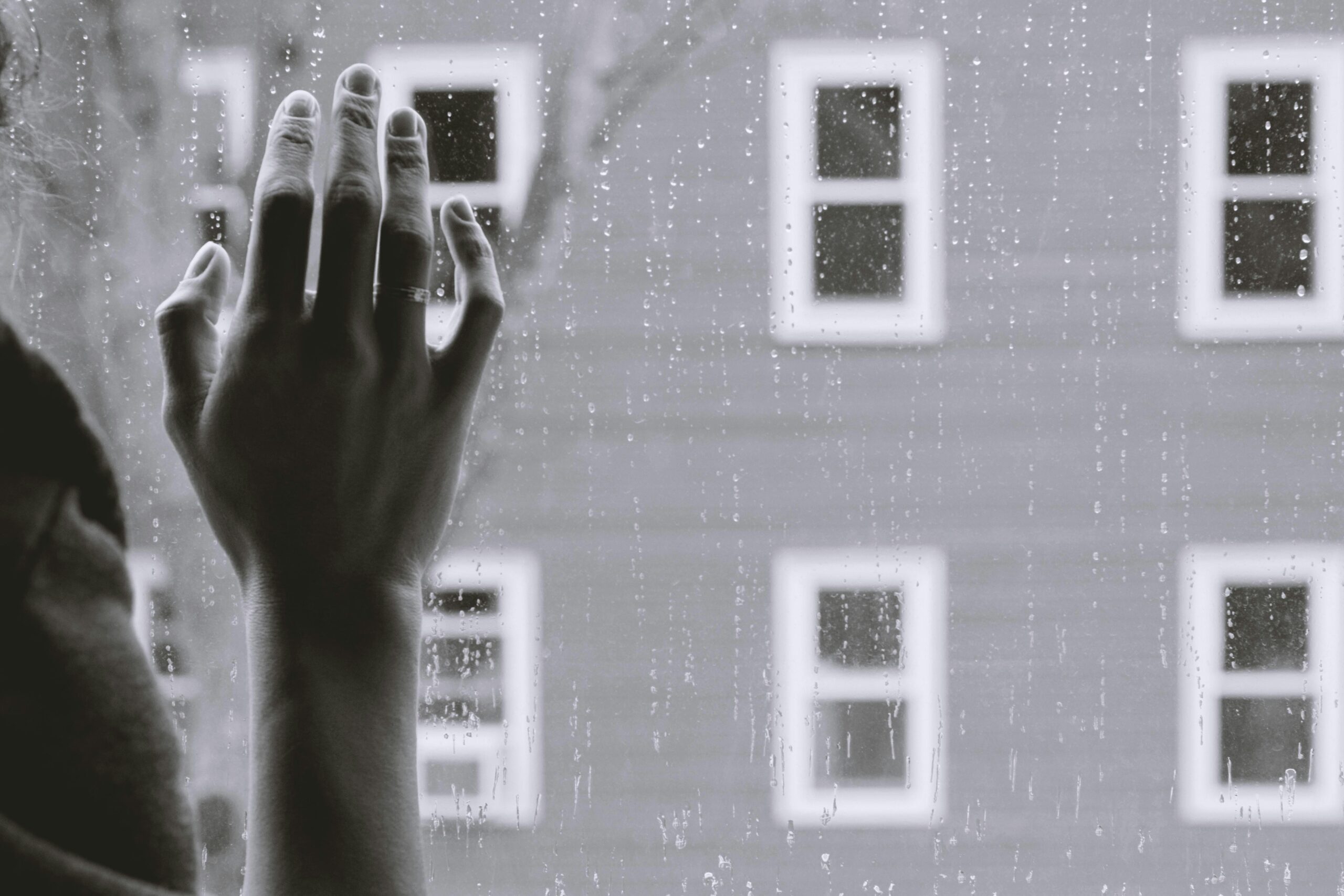
Photo by Kristina Tripkovic on Unsplash