




The Price of Challenging Gender Ideology in Portugal
By Francisca Silva
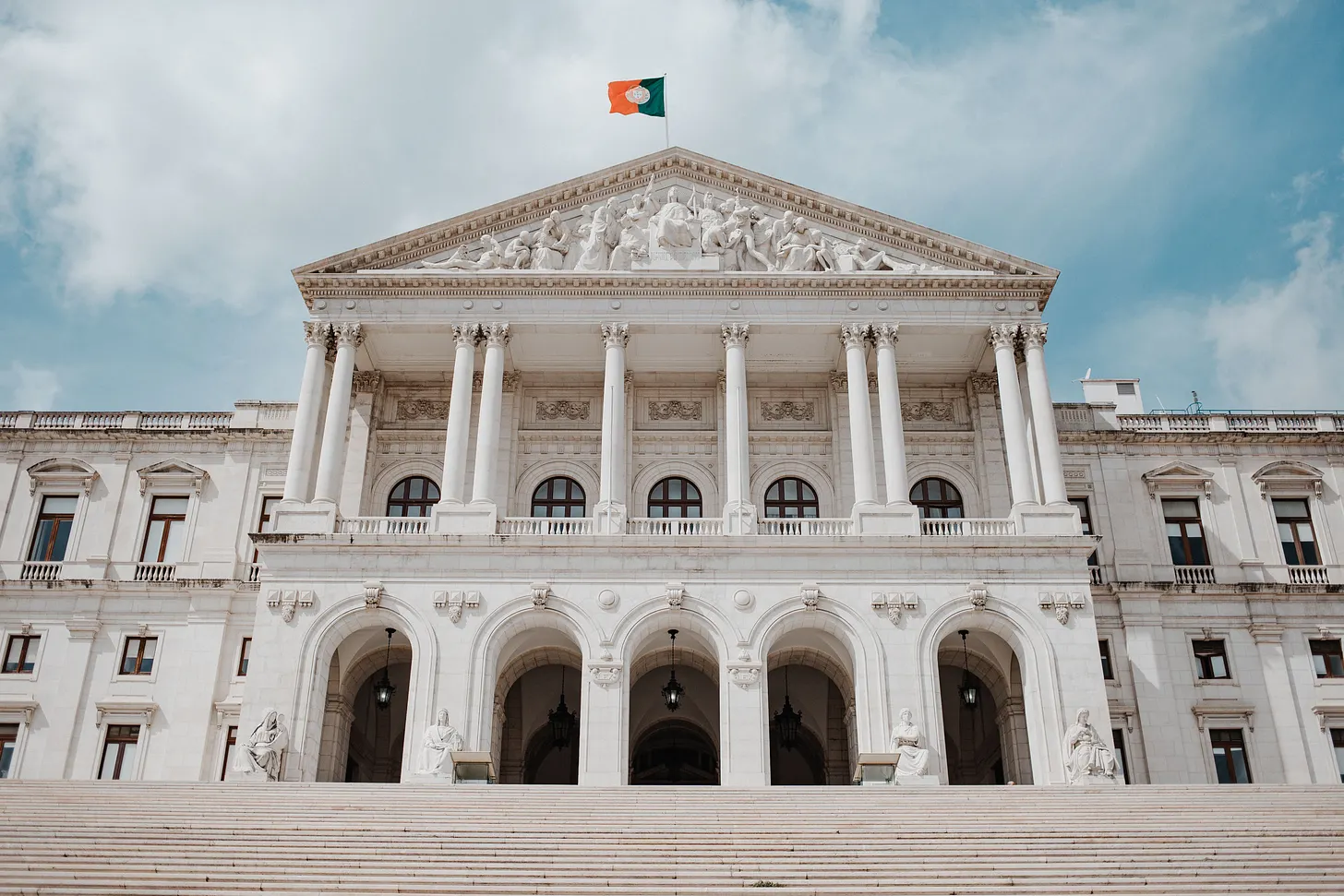
The problem isn’t a shortage of convincing arguments, it’s that no one is allowed to hear them.
Read the article in the original Portuguese here.
Challenging gender ideology in Portugal has taught me one thing: the greatest obstacle is not the lack of arguments, but the difficulty of getting them discussed. For years, a small group of people tried to resist the institutionalisation of this ideology. Without success. They were few in number and operated in a political, media, and institutional environment that was deeply hostile to their efforts.
Since the early 2000s, queer theory and gender theory have gained a decisive influence in Portugal. They first became established in academia, then gradually found their way into legislation and public institutions, largely without any meaningful public debate. It was in this context that the Gender Identity Law was enacted in 2018, followed by the “Conversion Practices” Law in 2024. Yet the overwhelming majority of Portuguese people have never been confronted with the meaning and implications of legal gender self-identification.
The media have played a crucial role in sustaining this paradigm. Acting as gatekeepers, they determine which perspectives reach the public and which remain invisible. Major systematic reviews, for example, have received virtually no media coverage, while those who question the dominant narrative are frequently portrayed as belonging to the far-right, or even associated with fascism or Nazism. The result is a deeply impoverished public debate, in which engaging with the evidence matters less than discrediting those who present it.
It was in this context that, in November 2025, I launched a public petition calling for the removal of gender ideology from public institutions and the repeal of the “Conversion Practices” Law. In Portugal, a public petition is a formal mechanism through which citizens can request legislative change. Once it reaches a certain threshold, Parliament is legally required to discuss it in a plenary session.
Coincidentally, in the months that followed, three political parties introduced bills to repeal the Gender Identity Law and to ban the use of puberty blockers for minors. In March 2026, Parliament approved the repeal of the Gender Identity Law at its first reading.
This immediately triggered a coordinated response from Portugal’s pro-gender ideology establishment. Claims that repealing the law would lead to an increase in suicide among transgender people became widespread. Several professional bodies, including the Portuguese Medical Association and the Portuguese Psychologists’ Association, issued unfavourable “scientific and technical” opinions. Television reports and newspaper features promoting legal gender self-identification proliferated, and the experts invited to comment in the media invariably supported gender ideology.
It was at this point that our petition was weaponised. In April, one of Portugal’s largest national newspapers, Público, portrayed the initiative as an attempt to legalise “conversion therapy”. In the same article, the journalist claimed that the United States “allows conversion therapy for LGBT+ minors”. Worse still, the article failed to mention that Portugal’s “Conversion Practices” Law could have been struck down as unconstitutional at any time, as the Portuguese Ombudsman had already referred the law to the Constitutional Court for constitutional review more than a year earlier.
The article sparked widespread controversy, and its framing was quickly echoed by other media outlets, commentators, influencers and political figures. Within days, a counter-petition was launched based on exactly the same narrative and received extensive media promotion.
In response, I repeatedly explained that repealing the law would not legalise so-called “conversion therapy”. Any abusive conduct was already prohibited under Portugal’s existing criminal law, a fact acknowledged during the legislative process that led to the law’s adoption in 2024. Our objective was to repeal a law whose wording raises serious constitutional concerns and has the potential to restrict fundamental rights. Above all, however, we sought to prevent the real-world consequences the law has already produced by discouraging healthcare professionals from offering non-affirmative approaches, thereby placing children and adolescents experiencing gender incongruence or gender dysphoria at greater risk.
I explained this in newspaper interviews, opinion pieces, social media videos, and even on national television. Throughout this process, I, my family, and the petition’s supporters were publicly portrayed as ignorant, homophobic, medieval, “cavemen,” and the authors of an “evil petition.” Some even suggested that the state should remove our children from our care. I have since filed multiple complaints with Portugal’s Media Regulatory Authority regarding defamatory news coverage, all of which remain under review.
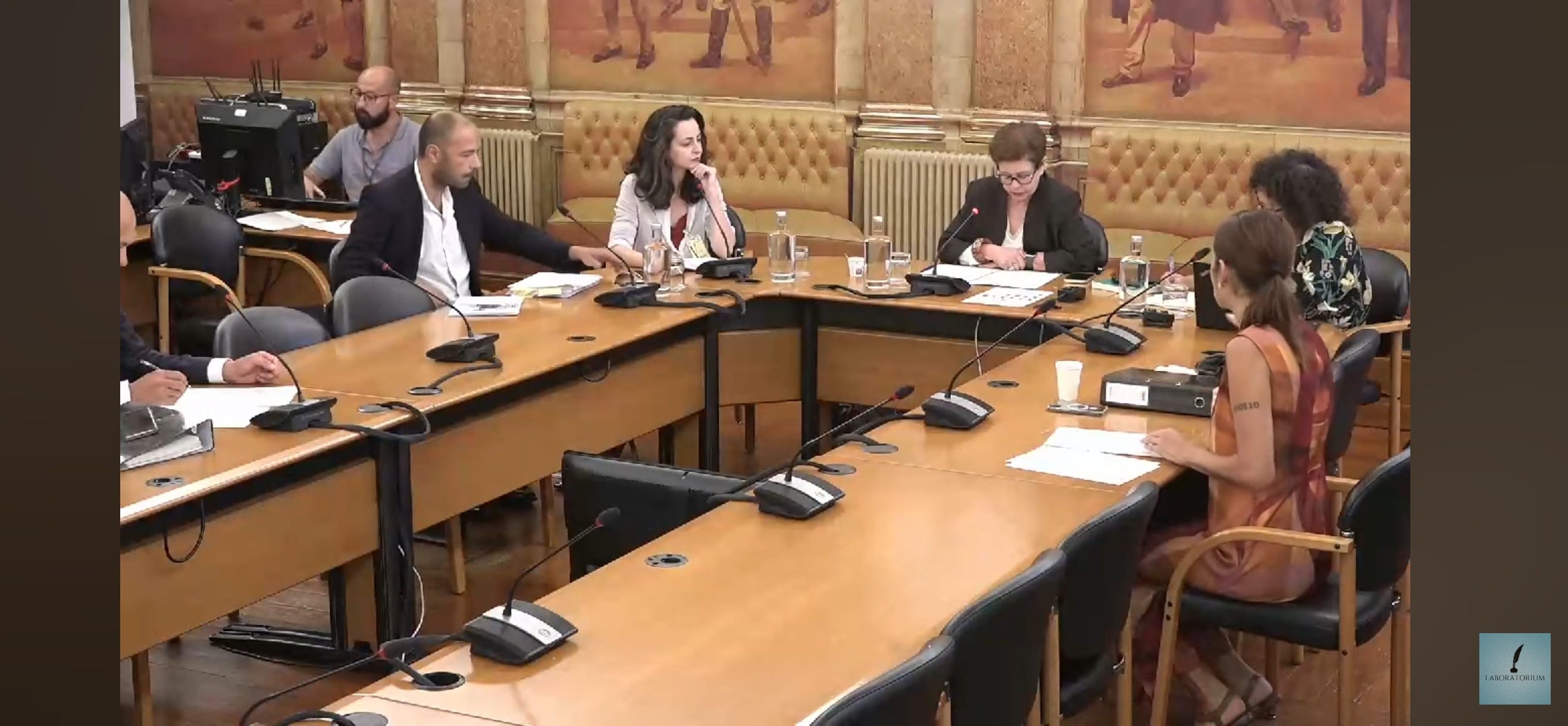
I finally had the opportunity to defend the petition during its official parliamentary hearing in June. Even there, opposition Members of Parliament portrayed us as agents of the far-right and accused us of promoting hatred against LGBT people. The petition’s rapporteur invoked images of electric shocks, lobotomies, and exorcisms, and even implied that we had separatist motives because our petition had been endorsed by the Portuguese LGB Alliance.
Following the hearing, I submitted a dossier of approximately 90 pages to MPs, as well as to the media, containing scientific evidence, legal analysis, international comparisons, testimonies, and statements from experts and organisations across several countries. Nowhere in that dossier, in my public statements, in the petition itself, or in the intentions behind it is there any suggestion that people’s identities should be “converted.” The petition is simply an attempt to restore a realistic, reasonable, and coherent understanding of the human person, while protecting future generations from the harms of gender ideology.
I hoped that, from that moment onwards, the discussion would finally focus on the substance of the arguments. It did not. In early July, Parliament held the official hearing on the counter-petition. The same MPs who had attended our hearing once again portrayed us as part of a far-right, anti-LGBT agenda. One MP even invoked “what was done to homosexuals and transgender people in the Nazi concentration camps” — her exact words.
That is the greatest obstacle to debate in Portugal. It is not a lack of arguments, but the difficulty of getting those arguments discussed. Instead of debating the scientific evidence, the legal implications, or the experience of other countries, the discussion centres on whether those raising such questions belong to the far right or pose a threat to democracy.
For those following this debate internationally, this pattern will sound familiar. In Portugal, however, it still dominates almost the entire public sphere. Most Portuguese people know very little about the international discussion. There remains, in practice, a media taboo around gender-related issues.
The coming months will be decisive. The process to repeal the Gender Identity Law is still underway, and our petition must now be debated in a plenary session of Parliament. It is impossible to predict the outcome. But truth does not depend on consensus, nor does it disappear because it is silenced. And those who are committed to it are not alone.
Francisca Silva
July 2026
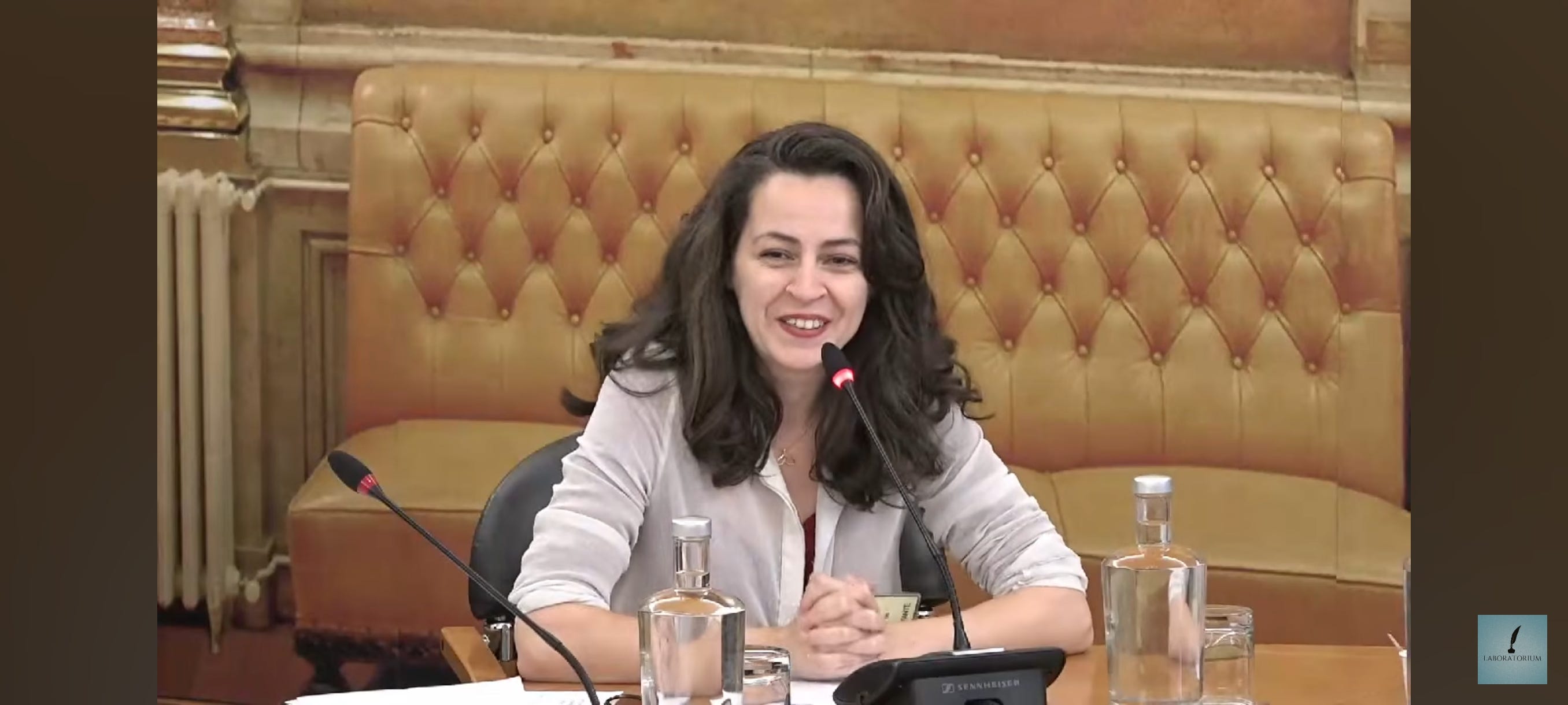
Francisca Silva is a Portuguese writer and public advocate working at the forefront of Portugal’s debate on gender ideology, child safeguarding, and freedom of conscience. Her work explores gender ideology as part of the broader revolutionary movement, bringing scientific evidence, historical analysis, and international developments into public and parliamentary debate.
Genspect publishes a variety of authors with different perspectives. Any opinions expressed in this article are the author’s and do not necessarily reflect Genspect’s official position. For more on Genspect, visit our FAQs.