




Responsible Adults Protect Children From Harm
By Maria MacLachlan
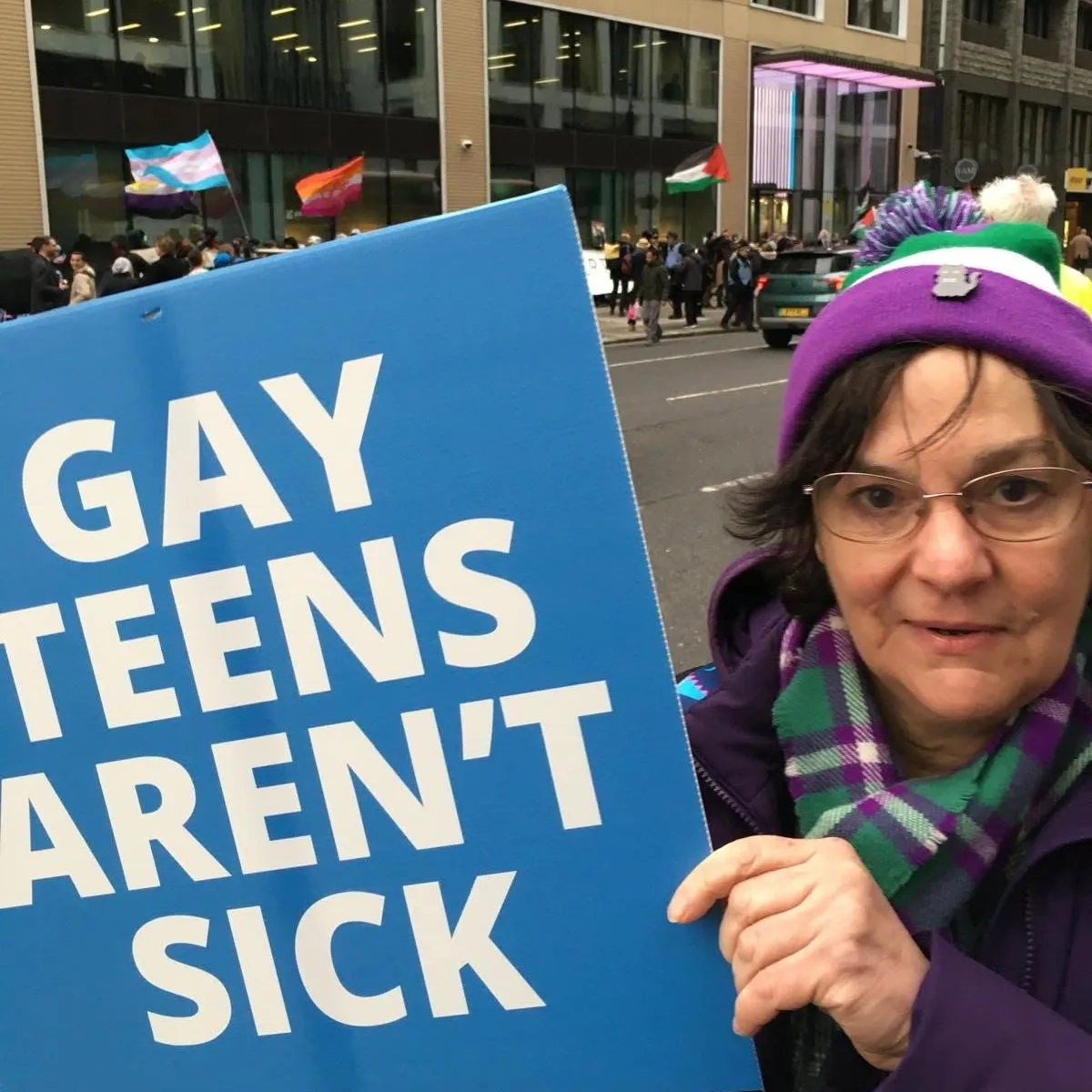
The latest attempt to stop the NHS Puberty Blocker trial
“Adolescence,” said Dr Hilary Cass, “is a time of overall identity development, sexual development, sexual fluidity and experimentation. Blocking this experience means that young people have to understand their identity and sexuality based only on their discomfort about puberty and a sense of their gender identity developed at an early stage of the pubertal process.”
That quote from the Independent Review of Gender Identity Services for Children and Young People, chaired by Dr Cass and published in 2024, might seem a strong enough argument to stand alone against interventions intended to prevent this natural stage of physical development. Add the dearth of long-term evidence of benefits and concerns expressed about potential harms – which include compromised bone density, disrupted cognitive development, a negative impact on future fertility and lack of sexual function – then it’s surely a slam dunk?
All things considered, it is remarkable that Dr Cass herself advocates using children as guinea pigs in a trial to investigate the effects of puberty-suppressing medication (GnRH agonists) on 226 gender-distressed adolescents. This is all the more concerning given that the Cass team failed to obtain data on around 9,000 patients treated at the Gender Identity Development Service (GIDS) at London’s Tavistock clinic prior to its closure in 2024. An estimated 2,000 adolescents have already been prescribed puberty blockers and one of the Cass Review’s recommendations was to proceed “as a matter of priority” with a data linkage study “to better understand the characteristics, interventions and outcomes of all those who attended the NHS Gender Identity Development Service (GIDS).”
Seriously? There is a load of potentially valuable data that still needs to be examined. These medications are known to carry catastrophic risks, and yet we’re going to try them out on more children?
Small wonder, then, that a fierce campaign has been waged ever since the PATHWAYS (Puberty Suppression and Transitional Healthcare with Adaptive Youth Services) trial was commissioned. We argued, we petitioned, we wrote to and lobbied our MPs, we held rallies in different cities, we collected enough signatures to get the trial debated in Parliament, which we watched with alternating delight and despair as MPS who opposed the trial presented their erudite reasoning only to be followed by a catalogue of misunderstandings and irrelevancies from those in favour.
Most importantly, a joint legal challenge was mounted by claimants with “standing”, meaning those the court considers to have sufficient interest in the case to be allowed to present their case: the Bayswater Support Group, which represents about 800 parents and guardians of young people who identify as transgender living in the UK or Ireland, therapist James Esses, and Keira Bell, a detransitioned woman who has spent years campaigning against gender affirming medical interventions.
Alas, the attempt to stop the trial before recruitment of subjects began on 1 August was unsuccessful.
At a two-day hearing at London’s Royal Courts of Justice, campaigners sought permission to bring a judicial review that would have allowed a court to examine whether the government had acted lawfully in commissioning the trial. However, the judge was not convinced that there were any defects in the legality, fairness or rationality of the decision-making process.
Mr Justice Chamberlain summarised the reasons for withholding permission by pointing to the “conspicuous care” with which the trial had been designed. He argued that each potential recruit to the trial would undergo a specialist medical assessment over many months, adding that “the treating team will have formed the opinion that the child has a reasonable prospect of receiving a clinical benefit from the treatment”.
On the question of whether it is unethical to do anything that might damage physically healthy children, the judgment states: “We asked that question and how the risks were being mitigated. Ultimately, the applicants satisfied us with their responses.”
In a statement issued after the ruling was announced, campaigners expressed their profound disappointment in the decision. Dr Louise Irvine, Chair of the CAN-SG said that the “Clinical Advisory Network on Sex and Gender repeatedly highlighted to the regulators our grave concerns about the ethics and scientific merit of the trial… We believe PATHWAYS falls at the first hurdle: the potential benefits do not outweigh the risks. Many risks are very serious and have been minimised or disregarded by both the trial sponsors and the regulators.”
What next for the claimants? A final comment from Keira Bell:
“I know first-hand how much this process breaks you. My story and the story of many others since should have been a big enough warning. A trial has already been conducted and the results were bleak. The bottom line is that responsible adults must protect children from harm.”
Hopefully there is better news to come.
Maria MacLachlan has campaigned for women’s rights for over 50 years, keeping a low profile until viral footage of her assault by three trans-identifying men thrust her into the spotlight. Only Tara Wolf was caught and convicted of battery; the judge rebuked her for not using preferred pronouns. She now runs peaktrans.org and a YouTube channel.
Genspect publishes a variety of authors with different perspectives. Any opinions expressed in this article are the author’s and do not necessarily reflect Genspect’s official position. For more on Genspect, visit our FAQs.