




Be Kind – But to What Truth?
By Kelly Henriques
Subjectivism, C.S.Lewis and the Truth about Bí Cineálta
Bí Cineálta – the name means “be kind” in Irish. There are very few, if any, parents who would take issue with teaching children to be kind to each other and not exclude or bully others. So, the introduction of the new national anti-bullying procedures is likely to have been welcomed by most.
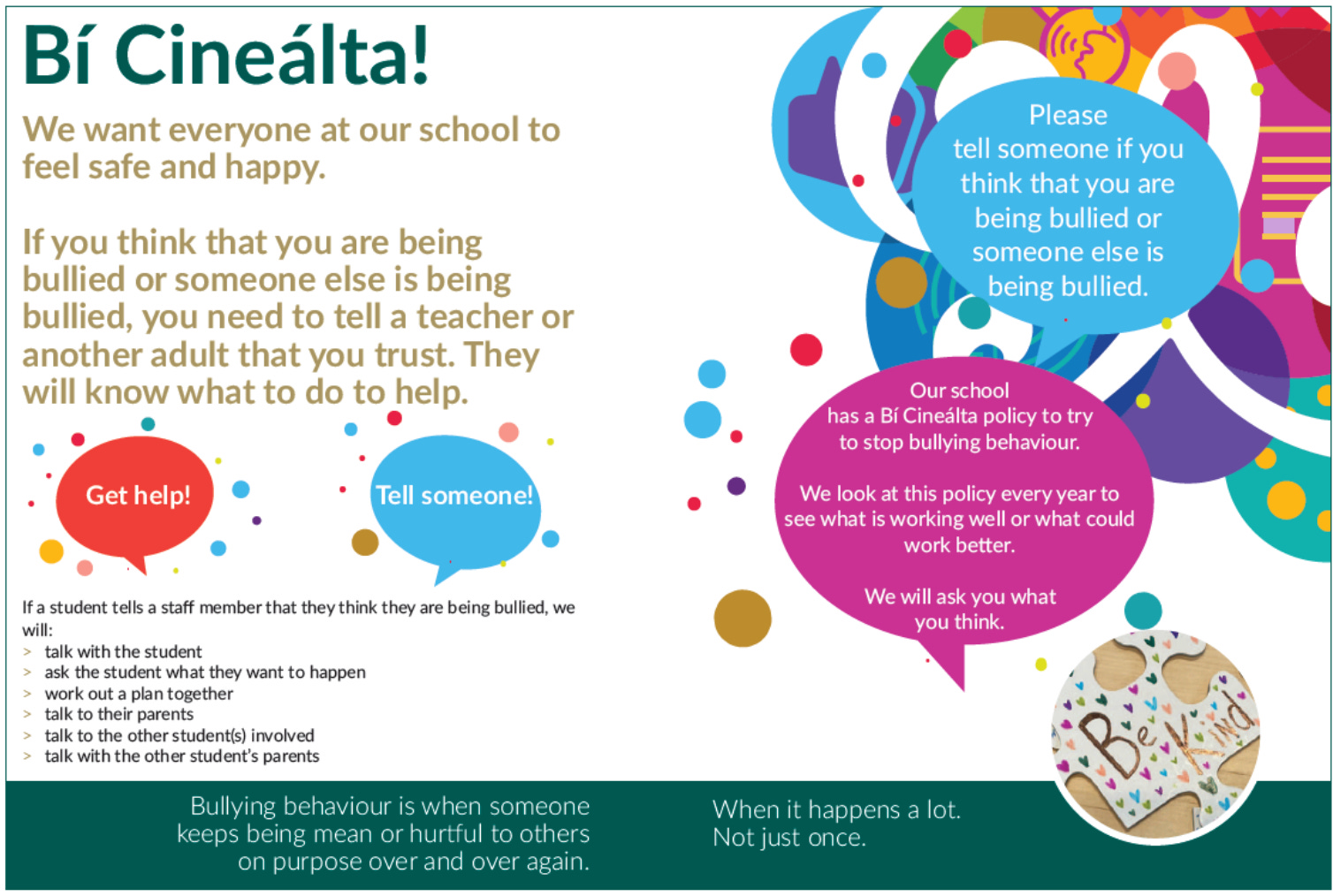
But Bí Cineálta does not simply outline how schools should tackle bullying. It is not just a policy, but a tool for shaping our children’s moral understanding. And while doing so, it promotes a version of kindness and inclusion that most of us would not recognise. It also erodes other things that we care about just as deeply – truthfulness, freedom of conscience, and our role as parents in our children’s moral development.
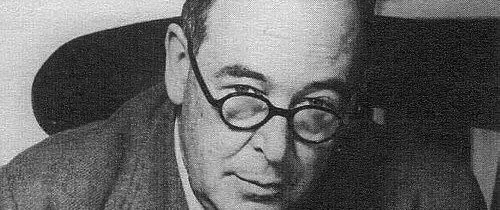
The issue here is one that C.S. Lewis wrote about in his 1943 essay, The Poison of Subjectivism. He pointed out that for most of history, people understood that when we say things like “treat others as you would like to be treated” or “we should care for the vulnerable,” we are not just expressing personal feelings or preferences. We are appealing to a set of rights and wrongs that have held true across cultures, traditions, and time. Statements such as these are an acknowledgement of an objective moral order.
Lewis warned that when we stop believing in this – when we decide that moral principles have no objective meaning and can be remade or redefined at will – they lose any solid foundation. The question is no longer “What is good?” but “Who gets to decide what counts as good?” And those who give themselves the power to decide inevitably place themselves above morality. Without a fixed standard of right and wrong, we have no way of knowing if we are moving closer to or away from what is genuinely good, and nothing to appeal to when we need to say “No – this is not progress.”
Bí Cineálta is precisely what Lewis described – an example of the poison of subjectivism. It is a policy that quietly redefines kindness and inclusion as whatever the Department of Education’s current “experts” have decided on, elevates them above all else, and asks us to call it progress. But is it progress to teach children that sex is a feeling rather than a fact, or to remove their ability to think and speak freely?
You, like me, may have spent years teaching your children that honesty matters, that they should stand up for what they believe in, and that people can disagree respectfully. Now imagine all of that being undone the moment your child walks through the school gate. Bí Cineálta tells your child that to “be kind,” they must lie. They must tell a boy in their class he’s a girl if he says so. If your child won’t, this is not treated as honest disagreement. It is treated as harm, and it can be punished. Inclusion does not extend to those children who disagree — they are labelled bullies. Hiding under the velvet glove of “being kind” lies an iron fist of forced compliance with gender ideology. And it will be the fear of this, not your voice, that shapes what your child comes to believe is right and wrong.
Of course, true kindness and inclusion matter, but they are not the only things that matter. Freedom of conscience, truthfulness, non-coercion, and the belief that every person has equal worth regardless of identity are also important. We cannot treat these as optional. They are all a part of the structure that holds our society together. To do so is to saw off the branch we sit on. Yet this is exactly what Bí Cineálta demands – that all of these must give way to “kindness” and “inclusion.”
If we truly believe that some things are always wrong, then we are already acknowledging the existence of the moral order that Lewis spoke of. We cannot then, with any integrity, accept a policy that recognises only part of that reality and treats moral principles as things to be redefined at will in service of a particular coalition or ideology. If we do, the message to our children will be clear: your deepest moral development is something designed for you by experts, mandated by the Department of Education, and justified only by the spirit of the age.
The Department’s role in education is not to invent values but to recognise and pass on what is genuinely good. Once it imagines itself free to develop our children in whatever way it decides is progressive, education stops being an initiation into truth and becomes nothing more than the manufacture of ideology and a very sophisticated form of conditioning.
If you ask me what matters most about Bí Cineálta, it is this: it is a policy that has, without so much as asking, taken from parents what was always ours – the right to raise our children according to our own morals and beliefs. And that should concern every parent in this country.
Kelly Henriques is a mother of four, with a BSc in Psychology and MSc in Health Psychology. Like many parents, it was her own children’s experience of school that drew her attention to the direction of curricular reform in Ireland and parental rights in education.
Genspect publishes a variety of authors with different perspectives. Any opinions expressed in this article are the author’s and do not necessarily reflect Genspect’s official position. For more on Genspect, visit our FAQs.