




Learn From Our Stories
By David Allison
Adults cannot use patient autonomy as an excuse to avoid responsibility for the harm they cause minors
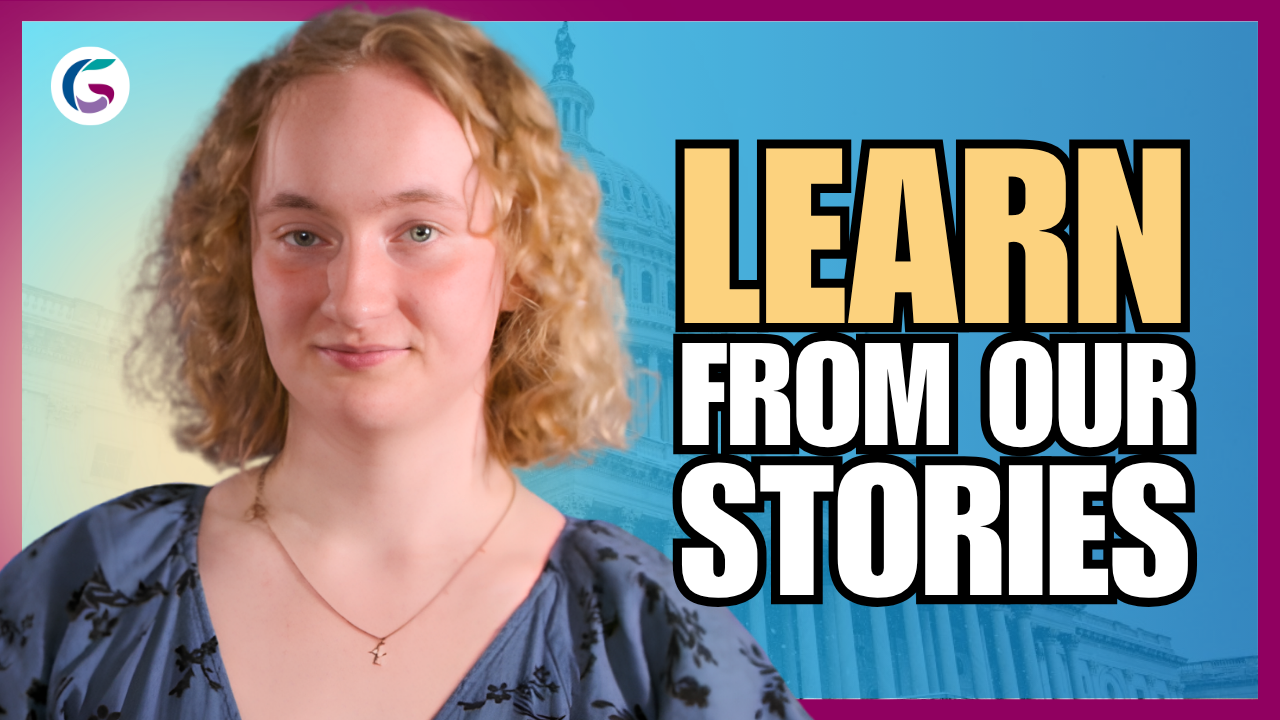
“A gradual unraveling of a ball of yarn” is how 21-year-old Claire Abernathy describes the long process of detransitioning in this interview from Detransition Awareness Day 2026 in Washington, D.C. She emphasizes the importance of listening to detransitioners.
Claire’s own odyssey began when the discomfort she felt upon hitting puberty at the age of 8 was misinterpreted by therapists as gender dysphoria. By age 12, she identified as trans. Eighteen months later, she started taking testosterone and underwent a double mastectomy at age 15. She now describes herself as “post-detransition” and is telling her story to help other young women who are as lost and confused now as she once was.
In Claire’s case, confusion was compounded rather than resolved by professionals who should have helped her with her precocious puberty and adolescent conflicts. Instead, they reinforced gender stereotypes. They also undermined the confidence of Claire’s parents, who initially believed that, like most other minors experiencing gender dysphoria, their tomboy daughter would eventually feel comfortable with her body if only she were allowed to grow up naturally. Claire’s message comes from a hard-won clarity about the challenges facing young women in the current culture: an understanding that feeling uncomfortable with society’s expectations for women doesn’t mean you’re not a woman. She cuts through the messy Gordian knots of contradiction and absurdity tied by gender identity theorists and compliant medical and counseling professionals to arrive at two simple truths. “I realized that I was harmed, and it’s wrong for doctors to do this to kids.
Claire’s wish is for others to learn from her story and those of other detransitioners. “There are so many of us, and there’s so much to say.” Her aim for the next five years is to expunge this ideology from American politics, law, and medicine. “That is my biggest hope for the future.”
It takes time to break free from the trans mindset. Claire was made to feel unwelcome and was ultimately banned from online trans groups, even those supposedly for detransitioners. Meeting other detransitioned women opened her eyes. Their stories were so uncannily similar to hers that she realized what had happened to her was not all her own fault, as activists had been telling her. She was not to blame.
There is a method to the madness of shifting responsibility away from the adults in the so-called caring professions to the young people who are lured into living in bodies that are never allowed to grow. This is an ideology of autonomy that blames the victims of irreversible medical interventions themselves for the scars they carry. It is a twisted rights-based approach that emphasizes destigmatization, depathologization, and supporting patients in achieving their embodiment goals “on the basis of personal desire and autonomy” rather than on evidence that a treatment promotes long-term health improvements. As Kathleen Stock argues, this means that the original rationale for medical interventions as a means of relieving pain and suffering is being abandoned by a culture that celebrates autonomy, choice, individualism, and freedom. Saying “no” is then treated as “gatekeeping,” and those in authority are less and less likely to accept responsibility for making mistakes. When a patient is 14 years old when they start taking hormones and just 15 years old when they undergo a double mastectomy, as Claire did, it becomes an indefensible violation of a child’s right to an open future and to the highest attainable standard of health. It is just plain wrong.
The false attribution of autonomy to minors also turns child welfare on its head, undermines parental authority, and reframes parental concern as damagingly “right wing”. Claire’s therapist not only made her parents feel terrible and told them they were harming her by not immediately affirming that she had been born in the wrong body, but she also posed that most cruel of questions, “Would you rather have a dead daughter or a living son?”
Claire and the over 70 detransitioners who gathered in Washington in March share the same determination to shake off the confusion sown by transgender ideology. They also want better care for detransitioners and to take the battle to their institutional and political opponents with the message ‘Let’s change the world, not our bodies’. Claire’s ambition is to work in early childhood education precisely because she has “experienced what happens when adults abandon their responsibility to protect kids, especially during vulnerable stages of development.”
Detransitioners like Claire are sending a strong message: Those in positions of responsibility must learn from their stories. They must reinstate the principle of first do no harm and recognize that healthy identity development is rooted in reality. The ideological assault on minds and bodies must be ended, and responsible safeguarding cultures must be reinstated. Claire cannot undo what was done to her, but she is determined to “fight like hell to make sure it doesn’t keep happening to more kids”.
Genspect publishes a variety of authors with different perspectives. Any opinions expressed in this article are the author’s and do not necessarily reflect Genspect’s official position. For more on Genspect, visit our FAQs.