




The Bisexual Factor
By Duncan West
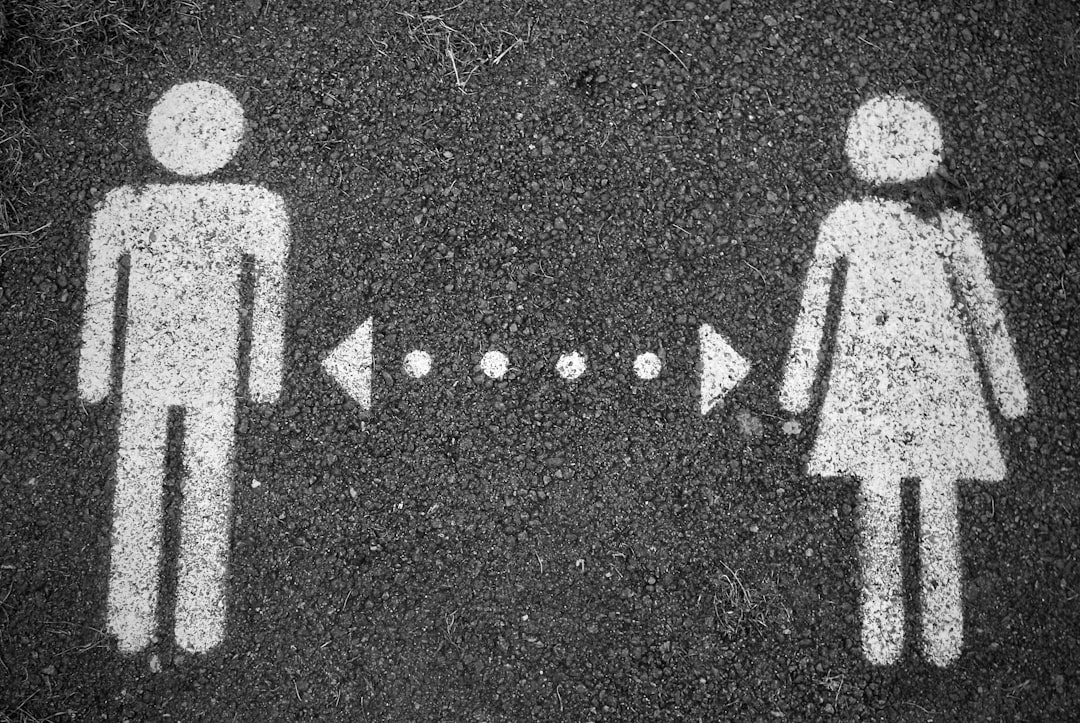
How discomfort with male bisexuality drives young men toward trans Identification.
There is a glaring contradiction in the received wisdom about male and female sexuality that does not get enough attention. We simultaneously “know” that:
- Women are more sexually fluid than men
- Men will have sex with anything
Unpicking this means addressing deep-seated attitudes to masculinity and femininity, homosexuality and bisexuality, and entrenched sexism and gender norms. These are not new issues by any stretch of the imagination, but I believe that examining how they all interrelate in our current societal moment is key to understanding an understudied route into trans identification for young men.
In part, our different attitudes to male and female bisexuality stem from the widespread belief that sex with men is the only kind that really counts, and that it is vital to enforcing gender norms. We consider “virginity” as a concept that only really accounts for sex involving a penis. On this basis, men feel free to casually proclaim that lesbians “just need to meet the right man,” while any man who has ever felt romantic feelings for another man is forever “gay”, and so on.
Gender stereotypes are fully on display in our differing attitudes to bisexuality. Female bisexuals are titillating and always readily available to men, while male bisexuals are “just gays in denial.” Fluidity is projected onto women as something beautiful and graceful, yet also sanitised and unchallenging, playing into ideas of sexual availability in combination with stereotypically desirable female qualities. The bisexual woman is considered exciting, but not too exciting – just sexually liberated enough to be into group sex with the right man, or to put on superficial displays of “lesbianism” for male amusement.
Indeed, the rendering of “lesbian” into a porn category – which basically just means “performative bisexuality for the male gaze” – creates an incredibly skewed perspective of sexuality that is having a profound impact on young people. Is it any wonder that young same-sex oriented women growing up in this landscape are eschewing the now pornified label “lesbian” and increasingly escaping into asexual, aromantic, non-binary labels? Or conversely, calling themselves “bisexual” in increasing numbers because of the male-centred, porn-influenced expectations in their peer groups?
But for bisexual men, we tend to avoid the label, conjuring up ever more euphemisms for male-on-male sex – men who have sex with men (MSM), heteroflexible, and so on. The male sex drive is a shameful, unthinking, and undiscerning engine of depravity, and we cover it up by rendering the sex act as meaningless, objectified, and as devoid of real feeling as possible. Anything to create distance between sexual lust for other men and (shock horror) any hint of feeling or emotion that might be perceived as being gay. If you are a young bisexual man, there are precious few healthy, normalised societal models of what healthy romantic attraction to both men and women looks like, and plenty of reinforcement that it just means you’re either “really gay” in denial or a promiscuous pervert.
As for bisexual men who know they’re not gay, I believe some are finding the high availability of female bisexuality (at all levels of our porn-saturated media) as the only acceptable model of bisexuality. This may provide a route into transgender identification for those who, on some level, find it easier to accept themselves as a bisexual woman than a bisexual man. Titillated by both male and female sexual anatomy, they lose themselves in transgender pornography, which is filled with this seemingly impossible, surgically altered partner who somehow combines aspects of both body types at once. Or, unable to accept their attraction to men, they find escape in pornography that promises brainwashing, hypnosis, forced feminisation, forced bisexuality – anything to avoid responsibility for the shameful and greedy and impossible ache for both men and women. After all, our society values monogamy, but a sexual attraction to both sexes means that no single person can ever meet all your desires – and this can be a source of shame, of never feeling like anything can truly satisfy you. Perhaps for some bisexual men, a transgender identity can be seen as a route out of this impossible situation, turning the self into the “both” that no single partner can be, but ultimately fuelling an erotic fixation on the self.
But for a lot of men, “shame” is itself a source of erotic fixation, and to be emasculated, cuckolded, or feminised, is an endless well of erotically charged shame, rooted in rigid gender stereotypes. Women are reduced to objects of degradation and humiliation, and to become a woman is, in the mind of such men, the greatest possible humiliation of all. Confused young bisexual men seeking a route out of shame and internalised struggles with their sexuality find precious little that is healthy in wider society, and in online porn they receive coldly automated recommendations that take them ever deeper into eroticised shame.
And now what was previously private shame has transformed into a very public political demand for visibility, acceptance, and even endorsement. For some men, taking their most shameful desires public is part of their erotic fixation. They seek the public humiliation, or the power of forcing compliance from an unwilling audience of the very women they objectify and denigrate as shameful. Mixed in with this are those who were once simply confused and lost, lacking the guidance of a society that speaks openly and healthily about sex and sexuality, and that shows another path to self-acceptance as a bisexual man is possible.
In the current landscape, much of popular discourse around trans identification in men has collapsed into demonisation of “autogynephilia” (AGP) as the be-all and end-all explanation. But if you’re a young man experiencing that sort of confusion, being confronted with a howling, censorious mob insisting you’re “just gay” or are a “perverted AGP” is likely to drive you further into your trans identification. These simplistic, hostile messages might make the mobs that wield them feel righteous, but they are counterproductive to understanding and addressing what might actually be going on with some of these young men. This lack of understanding will only make the superficial acceptance and tolerance of pro-trans messaging far more appealing by comparison.
The conundrum we are left with is that traditional feminist analyses of pornography and misogyny are absolutely spot on, but men are seemingly incapable of the level of introspection necessary to come up with them on their own. We are too close to it, too immersed in a world that reflects our own interests back at us as the default, to fully see the toxic waters we are swimming through. Men should approach some of this with humility and an open mind, and gain a deeper understanding of how the world we have created for ourselves, which thrives on degrading and dehumanising women, is harming us too.
At the same time, it is not the job of women to save men from themselves. It is not the job of women to provide empathy to young men who are confused about their sexuality. Especially not when women have spent centuries demanding to be seen as full human beings, and – just at the moment they seem to be making headway towards actual equality – suddenly find that virtually the entirety of civil society can decide overnight that women don’t really exist outside of an idea men can have.
It is high time for a reckoning with pornography and its damaging effects on society as a whole, for some open and honest conversations about male sexuality, and for some normal, healthy role models of bisexuality.
Duncan is a forty-something software developer and a bisexual man
Genspect publishes a variety of authors with different perspectives. Any opinions expressed in this article are the author’s and do not necessarily reflect Genspect’s official position. For more on Genspect, visit our FAQs.