



Her Lobotomy, My Mastectomy
By Jo Richardson
My great-grandmother’s medical scandal and my own, by Claire Abernathy
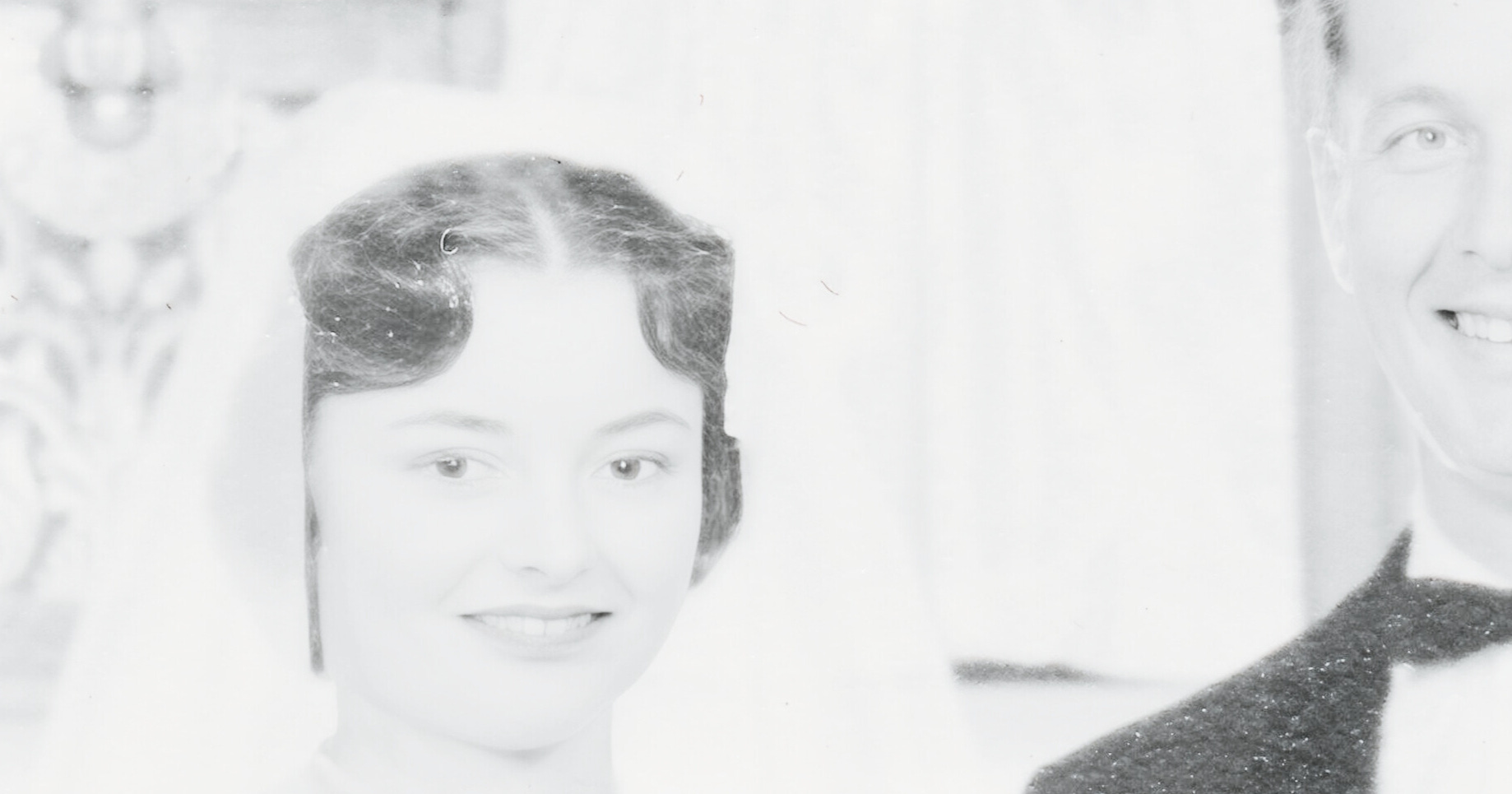
My great-grandmother was lobotomized in the 1940s for what was likely a seizure disorder. Something easily treatable today, but not well understood then. They said it would calm her mind, make her manageable, and restore her to her husband and children. Instead, it erased her. She became still, a living absence, and within the year, she was locked in the asylum where she would eventually die. My grandfather was only six or seven. He remembers that she no longer looked at him, as if she was frozen, trapped behind glass.
I grew up knowing almost nothing about her except that she’d been “sick.” The family only spoke of her in hushed tones, as if her story were some horrible secret we still owed it to the world to keep. I used to think her suffering belonged to another era — a time before medicine knew better. I never imagined I’d one day find myself in a hospital too, signing off on my own erasure in the name of progress.
Shortly before I turned thirteen, I was diagnosed with “gender dysphoria.” My confusion and pain were real, but no one ever asked where they came from. The doctors offered an explanation, a prescription, and a promise of relief. First came the menstrual-suppression drugs, then testosterone, then a double mastectomy at fourteen. My breasts were removed before I’d ever entered high school. My voice was irreversibly damaged before it ever had the chance to settle. I was told I’d been saved from suffering, but in truth, my suffering had just been given a new shape.
Sometimes I think about my great-grandmother on the operating table, the sterile light above her, the confident hands that promised to make her well. Did she wake with the awareness of what they’d done? Was she trapped inside her own body? Conscious, terrified, but unable to speak or move? Or did she slip into a half-world between life and death, where the body breathes, but the soul can no longer reach out?
Recently, I read about a young woman who had been prescribed testosterone for “gender dysphoria.” After a year on the drug, she suffered a massive stroke and developed locked-in syndrome — a state where the mind remains awake, but the body is paralyzed. It stopped me cold. That might have been what my great-grandmother endured after her lobotomy: a bright, desperate mind flickering behind an empty gaze. And it could have been me.
By some unearned mercy, my years on testosterone left me only with a damaged voice, disfigured genitals, and chronic pelvic pain: injuries that speak of what was done, but do not silence me entirely. I think of that woman, and of my great-grandmother. How both were promised healing, and both were made into ghosts instead.
The world calls my great-grandmother’s story a tragic relic of the medical hubris we’ve supposedly outgrown. But here I am, a product of another generation’s certainty. The white coats are the same. The cutting is the same. The harm is the same. Only the language has changed.
The lobotomy movement collapsed not because it was declared barbaric overnight, but because too many people finally saw the aftermath—the hollowed minds, the quiet wards filled with those who’d been promised healing. It took decades for the medical establishment to admit its mistake. And even then, the families bore their grief alone.
I don’t know if our society will need decades again to see what’s happening now. But I do know what silence does: it preserves the lie.
When I finally detransitioned, I began to understand that telling the truth wasn’t just for me—it was for her, too. My great-grandmother had no voice to tell her story. I do. And in speaking, I’m breaking the inherited silence that bound us both.
Sometimes I imagine meeting her. Not in the hospital where she spent her final years, but somewhere beyond it, where the air is still, and we are whole, and nothing hurts anymore. She’s standing upright, her eyes are clear. We recognize each other instantly, two women separated by time, our lives shaped by the same wound.
I’d tell her that I’m sorry—for what was done to her, and for what I let be done to me. I’d tell her that I understand the faith we both placed in people who harmed instead of healed.
And I like to think she’d take my hand and say what I’ve come to believe in the deepest parts of my soul: we were never broken.
It’s a simple truth, but one powerful enough to pierce through decades of silence. A truth I wish someone had spoken to her before the surgeons came. A truth I wish I’d heard before I believed the knife could save me.
That’s what I hold onto now. No longer the false promise of surgical salvation, but the slow, sacred work of self-acceptance. Of learning to live within the body I was given, to trust that it was never the enemy.
What we call progress isn’t always healing. Sometimes it’s simply a new knife, polished by good intentions and unquestioned faith. But the truth, once spoken aloud, has a way of softening the jagged edges left behind.
And maybe that’s the inheritance I can finally choose to pass on—not the silence, not the wound, but the courage to name what happened and go forward.
Claire Abernathy is a detransitioner and advocate for medical ethics and child safeguarding. You can support her work on Substack, X, TikTok, and YouTube @burnyourbinder.
Genspect publishes a variety of authors with different perspectives. Any opinions expressed in this article are the author’s and do not necessarily reflect Genspect’s official position. For more on Genspect, visit our FAQs.