




The mystery of the disappearing “gender identity”
By Jill Nesbitt
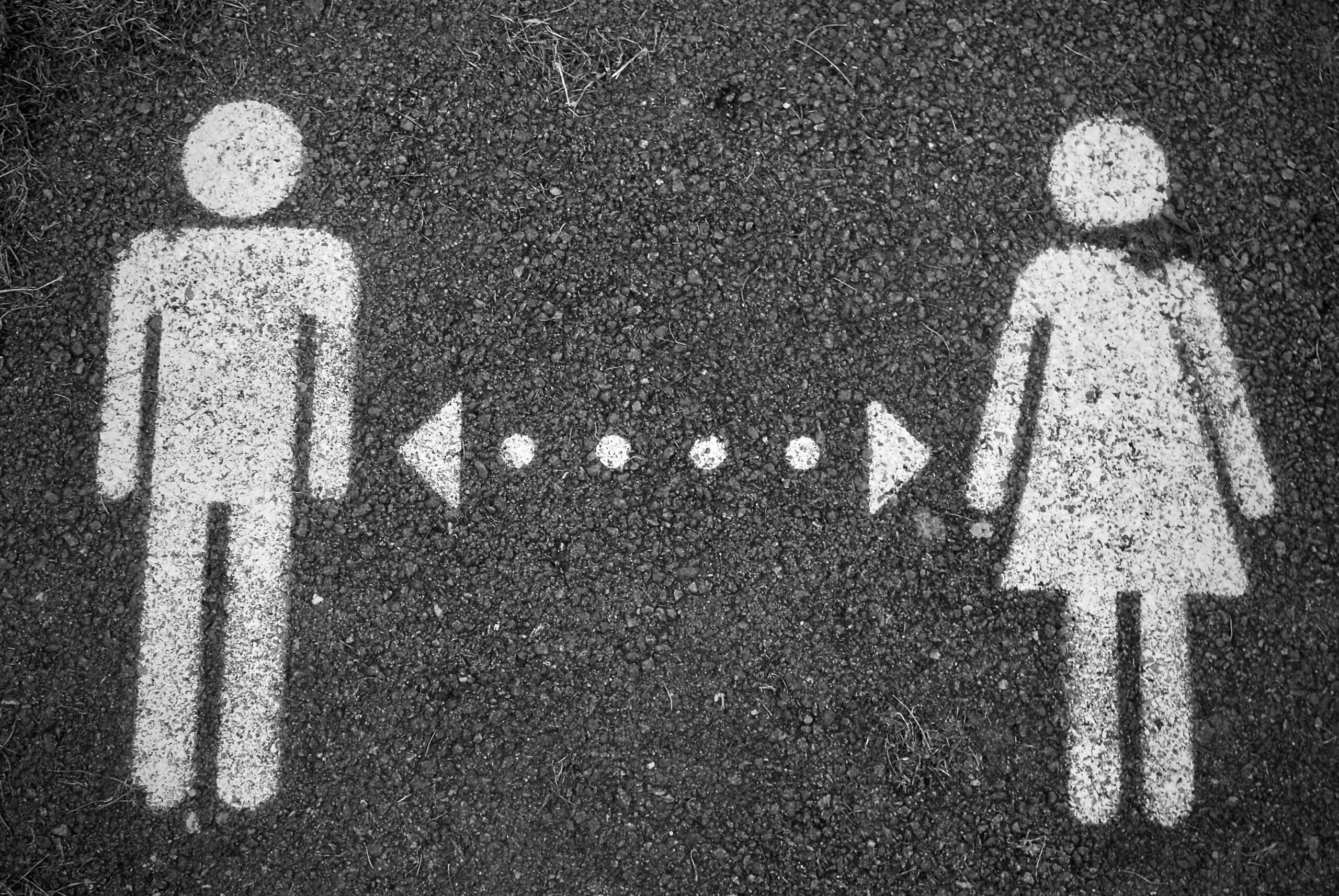
Yesterday’s ruling by the UK’s highest court, the Supreme Court, clarified that the word “woman” in their jurisdiction, the 2010 Equality Act, does indeed mean what we all know to be the case: an adult human female.
“For all these reasons, this examination of the language of the EA 2010, its context and purpose, demonstrate that the words “sex”, “woman” and “man” in sections 11 and 212(1) mean (and were always intended to mean) biological sex, biological woman and biological man.”
and
“The meaning of the terms “sex”, “man” and “woman” in the EA 2010 is biological and not certificated sex.”
For years the intent and meaning of the UK’s Equality Act was the subject of much debate as transactivists sought to interpret it as what they wanted it to mean, rather than what the Supreme Court has now confirmed it actually means. They did this in a variety of ways not least by means of very dubious “training” offered to organisations which may have felt too bullied to challenge it.
Ireland’s Conflicting Gender Laws
That’s exactly what’s been happening here in Ireland where on foot of our later Gender Recognition Act in 2015 (compared to the UK version of 2004) lobby groups have been busy “training” employers, schools, media outlets and whoever else they can, often for a fee. Women who object to a man using women’s facilities in their place of work, for instance, have been told they just have to accept it, sometimes on foot of legal advice.
The trouble is that in the courts one obtains law, not necessarily justice. And if the law has been made an ass thanks to legislators deciding that a piece of paper (a Gender Recognition Certificate) can change one’s sex, then the courts may indeed find themselves unable to disagree. Fortunately for women and children there is some hope offered in the 2000 Equal Status Act under which “gender” is the first ground to be protected from discrimination, which states at section 3:
“(2) As between any two persons, the discriminatory grounds (and the descriptions of those grounds for the purposes of this Act) are: (a) that one is male and the other is female (the ‘gender ground’),”
The 2015 Gender Recognition Act apparently supersedes the 2000 Equal Status Act, but it could surely be argued that the legislators of the 2000 Act made it clear that protection is being offered on the grounds of sex. Gender identity isn’t mentioned in this earlier Act so a suitable case taken to the Workplace Relations Commission might possibly and eventually result in a positive outcome for women seeking to protect sex-based rights under our equality legislation.
2024 Bill Omits “Gender Identity”
Interestingly, the Irish government recently published the general scheme of the Equality (Miscellaneous Provisions) Bill 2024 which doesn’t specifically mention “gender identity” despite the fact that five years ago the then Programme for Government promised to
“Amend the gender ground in equality legislation, to ensure that someone discriminated against on the basis of their gender identity is able to avail of this legislation.”
This apparent omission is curious given the concerns of the Irish Human Rights and Equality Commission (IHREC) which in its submission to the Citizens Assembly on Gender Equality in 2020 recommended that the equality acts “should explicitly prohibit discrimination against transgender, non-binary and intersex people”. The Commission also confirmed that “transgender people are not specifically referenced in the equality acts” although under EU law “gender reassignment” is also protected under the gender ground:
“The Court of Justice has held that the scope of the principle of equal treatment for men and women cannot be confined to the prohibition of discrimination based on the fact that a person is of one or other sex. In view of its purpose and the nature of the rights which it seeks to safeguard, it also applies to discrimination arising from the gender reassignment of a person”.
Former Minister Roderic O’Gorman reasserted in 2021 that there was to be a review of our equality legislation that would
“…include the introduction of protections against discrimination on the basis of socio-economic status & gender identity.”
Two years later the IHREC had reconsidered its own recommendations and in its submission to the review said that
“The Commission recommends the gender ground in the Equality Acts be amended to include explicit reference to, and define gender identity, gender expression, and sex characteristics. The ground should continue to be called the gender ground, to facilitate and ensure retention of protections under the case law of the current gender ground.
The Commission recommends that, in reforming the gender ground, consideration should be given to reframing the exemptions relating to gender to ensure the current protections for trans men and women are not diluted. Consideration should also be given to reframing exceptions relating to gender to ensure discriminatory treatment between different groups within the gender ground is not unintentionally facilitated.”
But when the public eventually got the chance to have our say in a public consultation the topic of “gender” elicited the most responses at 84%. The 2023 report, The Equality Acts Review, confirmed that
“Throughout the submissions, the proposal to specifically include gender identity within the Equality Acts was contentious…”
Two months ago the relevant Department of Children, Equality, Disability, Integration and Youth said of the new Bill:
“This General Scheme does not propose any change to the gender ground.
There are a number of areas still under consideration, and the current Government may choose to progress these in addition to the proposed Bill.”
For Women Scotland’s Win Offers Hope
Clearly women and those who want to safeguard children can’t afford to be complacent. The risk that “gender identity” may yet be added to our equality legislation is still one to beware of.
But yesterday’s resounding win by the courageous women of For Women Scotland will hopefully have reduced that risk considerably.
Jill Nesbitt is a former journalist and runs the website Women’s Space Ireland.
Genspect publishes a variety of authors with different perspectives. Any opinions expressed in this article are the author’s and do not necessarily reflect Genspect’s official position. For more on Genspect, visit our FAQs.