




Our position – FAQs
We believe that there are many routes that may lead to the development of distress over an individual’s gender. Equally, there are just as many routes out of such distress. That’s why we would like to see a wider range of treatment options and more evidence-based approaches to gender-questioning children and young people.
Overview – The Big Picture
What does Genspect strive for?
We seek a healthy approach to sex and gender. We are critical of the gender-affirmative approach and advise health care professionals to take the time and care to evaluate the low-evidence base for the current affirmative approach, looking more closely at the harms that medical treatment paths can cause. We recognize the high occurrence of comorbidities such as autism and ADHD among children and young people who are questioning their gender. We are also concerned about the disproportionate numbers of children and young people who are same-sex attracted or will come to recognize themselves as such and could be described as “pre-gay” among those who choose to medicalize their identity rather than allowing sexual development to occur. In this context, we advocate for a non-medicalized approach to gender dysphoria underpinned by a quality evidence-base.
We would like to raise public awareness of the issues facing gender-questioning children, adolescents and vulnerable adults. We wish to help create a society that supports gender non-conformity — one which doesn’t require the heavy burden of medical treatment. We acknowledge that gay, lesbian and bisexual youth are often gender non-conforming. Rather than suppressing hormonal urges with medication, we support an approach that allows adolescents to explore their sexuality with freedom and acceptance.
We want to see schools, colleges and higher education establishments hold neutral space for students as they explore their gender, sexual orientation and identity formation. We value supportive environments for students, so they feel neither encouraged nor discouraged to follow certain paths.
Finally, in this fast-paced world, we advocate for a slower, more thoughtful approach to any difficulties relating to sex and gender that impacts children and young people.
Where did the Genspect name come from?
The original name was “Inspegt” as it was considered that we would “inspect gender”. We had the name ready, the website and the logo ready but suddenly we had a crisis of confidence in “Inspegt”. A parent who was also a branding consultant kindly offered to help and came up with “Genspect” with the same meaning but a much more pronounceable name!
What are Genspect’s values?
Genspect’s work is underpinned by five key principles:
- We are evidence-based
- We are non-partisan
- We encourage viewpoint diversity and free expression
- We are anti-authoritarian
- Safeguarding and informed consent are central to our work
These principles are interconnected and mutually supportive. In order to take an evidence-based approach to sex and gender we must create a non-partisan space where people with diverse views can speak freely. Facilitating civil but robust engagement, critique and collaboration between people with informed and ethical but differing views is the best way to minimize ideological bias and produce sound knowledge to inform the care of gender-distressed people. The failure to use this model of knowledge production is responsible for many of the harms arising from affirmation only care.
Much needed empirical research into the causes of gender distress has been made immeasurably harder by censorship and authoritarian efforts to restrict critical discourse on these issues. That is why Genspect is anti-authoritarian. We respect the right of adults to live and speak as they see fit, provided they cause no material harm to anyone else or deny their right to do the same. Therefore, we oppose restrictions on speech and expression that limit the range of views that can contribute to knowledge production.
However, Genspect’s work often focuses on young people who are unable to give informed consent to life-changing decisions. Their interests are best safeguarded by the truth and thus by steadfast resistance to ideological interference with the process of empirical research that seeks to establish reliable knowledge.
Evidence Based
Knowledge is evidence-based when it corresponds with reality and can be shown to do so via evidence produced by rigorous empirical study. This approach has been lacking in dominant ideologically captured approaches to gender distress. We believe that it is imperative to question and investigate the safety and efficacy of treatment practices for children experiencing gender distress if we are to be ethical therapists, doctors, teachers, and parents. Too often, ideologically motivated accusations of “transphobia” have been used to attempt to deter those who question the idea that a person can change sex or that medical interventions are safe, evidence-based solutions to feelings of dysphoria. We will not be so deterred.
Non-partisan
Genspect is a non-partisan, independent organization, with members from across the political spectrum holding a range of personal philosophical beliefs. We welcome people of all faiths and none. Our focus is exclusively on the well-being and safeguarding of children and young people and we are inclusive of anybody who shares those aims. We do not defer to any party-political or religious allegiance.
Viewpoint Diversity and Free Expression
Our stance is that contested ideas should be discussed civilly and reasonably. As long as these conditions are met, we welcome contributions from people of all backgrounds, beliefs and identities. We value open and honest discussion between people with the full range of views on sex and gender. It is by this process of robust mutual critique that reliable knowledge is best obtained, and bad ideas discredited. Some people think we should change our bodies; others think we should change our minds. Genspect welcomes civilized discussion about these two viewpoints. We understand that sex and gender are subjects about which people can feel very strongly, often due to painful personal experiences. It is because we aim to reduce the incidences of such negative experiences that we protect freedom of inquiry. We respect that for some people certain positions on sex and gender will be too personally distressing to engage with. We endeavor to use clear language in our titles and program information so that people can make their own informed decisions about engaging with them.
Guilt by Association
Genspect categorically rejects guilt by association, advocating for judgments based on actions and statements rather than perceived affiliations. We champion open dialogue on contentious issues, believing it is crucial for intellectual growth and societal progress. Reducing complex debates to mere affiliations stifles meaningful conversation and hinders effective solutions. We urge evaluations to focus on our clearly stated principles and actions, rather than on unrelated beliefs or backgrounds of those we’ve interacted with. This approach extends to how we assess others, ensuring fair and impartial judgment for everyone. A commitment to informed and respectful discussions on gender issues keeps conversations rooted in evidence and free from unfounded assumptions. An article by our director, Stella O’Malley, explains why Genspect talks to everyone: engaging with even the most challenging perspectives is crucial for finding real solutions to complex issues.
Anti-Authoritarian
We will not be pressured by any ideological group to affirm their views or be told that any subjects are “not up for debate.” Great harm has been caused by authoritarian censorship in the field of gender research already. We oppose coerced language or any attempts to enforce gender conformity. We stand by the principle “Let adults believe, speak, and live as they see fit provided it does no material harm to anybody else nor prevents them from doing the same.” We recognize that authoritarian control can manifest directly in the form of state interference with freedom of belief and speech and from illiberal ideological groups practicing no-platforming, intimidation, false accusations and “cancelling.” We stand against any person or group who attempts to silence or intimidate others into feigned compliance in this way and maintain an expectation that strong disagreement will be addressed via equally strong but honest and civil critique.
Safeguarding and Informed Consent
Genspect uses the common definition of safeguarding to refer to measures taken to protect a vulnerable individual’s health, wellbeing and human rights and enable them to live free of harm, abuse or neglect. These measures are typically applied on behalf of children who are too young to take full responsibility for their own decisions about health and wellbeing, do not yet have the full rights of adults and may not be able to evaluate harm, abuse or neglect or know how to seek help from appropriate authorities. (It also applies to adults who lack this capacity due to issues like dementia or intellectual disability.) These measures do not apply to mentally competent adults who have the ability and the right to make their own decisions, can provide for their own needs and who are able to call upon existing laws to protect themselves from harm or abuse or report such incidences as crimes. Genspect rejects definitions of safeguarding which refer to mentally competent adults claiming to feel unsafe due to people expressing views or presenting in ways they don’t like i.e., a gender critical feminist being invited to speak at a university or people dressing in perfectly decent but gender non-conforming ways (See Anti-Authoritarian above).
Genspect’s position on safeguarding, then, is about protecting those who are not able to give informed consent to life-changing decisions: overwhelmingly, children. This aim is central to everything we do, including our goal to prevent ideological interference with empirical research into gender distress, our advocacy of non-medicalized approaches to addressing gender distress, our support groups for families of young people experiencing gender distress, our dedication to raising awareness of the high incidence of comorbidities and same sex attraction in young people reporting gender distress and our criticism of gender-affirming models of care.
The Politics of Genspect
Genspect is a non-partisan organization dedicated to promoting evidence-based approaches to gender-related distress. We do not endorse any candidate, party, or ideology. Our membership spans the political spectrum, including liberals, conservatives, libertarians, and social democrats. This diversity is not just tolerated; it’s actively cultivated and viewed as a strength.
We’ve observed that accusations of being “right-wing” have often been used to silence debate on gender issues, particularly from those on the political left. To counter this polarizing dynamic, we’ve made a conscious decision to ensure our organization includes voices from across the political spectrum. This approach demonstrates that concerns about the medicalization of gender-distressed youth are not confined to any single political ideology. It provides a space for individuals of all political leanings to engage in these discussions without fear of being labeled, and helps prevent our organization from becoming an echo chamber.
While Genspect remains non-partisan, we recognize that our members often hold strong, sometimes conflicting political convictions. We see these differences as valuable, fostering robust internal dialogue and helping us refine our approach. Our internal discussions frequently involve negotiating complex political and linguistic landscapes, with members debating terminology, outreach strategies, and how to effectively communicate our message.
Taking a multitude of political stances into account is critically important to our group’s functioning. Without this ethos, we would risk fragmentation. By maintaining balance, we keep one another in check and ensure that our positions are well-considered and defensible.
However, our inclusivity has clear limits. We exclude extreme positions that make productive dialogue impossible. We have no tolerance for discrimination or ideological stances that prioritize belief over fact. Our goal is to occupy a space where meaningful conversation and evidence-based reasoning can flourish and all well-supported arguments are given a fair hearing.
Genspect’s work is guided by core values that transcend political boundaries: being evidence-based, promoting free expression, opposing authoritarianism, and prioritizing safeguarding. These principles allow us to focus on our mission of advocating for a non-medicalized approach to gender-related distress, based on the best available evidence.
By maintaining this diverse coalition and focusing on evidence rather than ideology, we aim to be a voice for rational, compassionate approaches to complex gender issues. We strive to create a space where difficult conversations can take place, where evidence can be scrutinized from multiple angles, and where the well-being of gender-distressed individuals remains at the forefront of our considerations. This commitment to open dialogue, coupled with our unwavering focus on evidence, positions us to make meaningful contributions to this crucial societal discussion.
Genspect’s Stance on Identity Politics
Identity politics began with noble intentions but has devolved into a toxic ideology that strangles rational discourse and blocks genuine progress. Under the guise of promoting equality, it has created an intellectual wasteland where complex human beings are reduced to nothing more than their identity markers (e.g., race, sexuality, or gender identity), and where thoughtful policy discussions are replaced by shallow power struggles between competing identity groups. Most disturbing is how this framework actively silences dissent—anyone questioning the orthodoxy of identity politics faces immediate accusations of bigotry, regardless of the evidence or reasoning behind their position. At Genspect, we categorically reject this destructive approach, having witnessed firsthand how identity politics has corrupted healthcare, education, and scientific research, leading to devastating consequences for vulnerable individuals, particularly children. We refuse to participate in this ideological capture that prioritizes political conformity over truth and group identity over individual wellbeing. Instead, we champion evidence-based, rational discussion that transcends tribal loyalties, creating space for diverse perspectives and rigorous debate. Real solutions emerge not from enforced ideological compliance, but from the courage to pursue truth wherever it leads.
What is Genspect’s response to the SPLC’s “hate group” label?
Genspect is an international organization that promotes evidence-based, compassionate care for individuals experiencing gender-related distress. Our work centers on supporting open dialogue, informed consent, and developmentally appropriate approaches that prioritize long-term wellbeing while safeguarding vulnerable people—particularly children, adolescents, and vulnerable adults.
In 2024, the Southern Poverty Law Center (SPLC) added Genspect to its “hate map” without providing evidence of hatred, incitement to violence, or discriminatory conduct on our part. This designation appears to stem from disagreement with our position that medical interventions for gender distress—especially for young people—should be approached with appropriate caution, transparency, and rigorous scientific oversight.
We categorically reject the SPLC’s characterization. Genspect’s work is grounded in collaboration with clinicians, researchers, parents, educators, detransitioners, and others who seek respectful, science-informed approaches to supporting gender-distressed individuals. Our advocacy is motivated by a commitment to ethical care and protecting the right of all people to make fully informed decisions about life-altering medical interventions.
Mislabeling legitimate concerns about experimental treatments as “hateful” undermines public discourse, discourages open scientific inquiry, and ultimately harms the very people we seek to protect. This approach silences critical voices—including those of detransitioners and families who have experienced harm from current practices—preventing society from learning from their experiences.
We remain steadfast in our commitment to promoting ethical care standards, protecting space for healthy identity exploration, and amplifying the full diversity of experiences within the gender-questioning community, including those who have been harmed by or regret medical transition. Our work is guided by compassion, not ideology.
Disagreement with prevailing medical practices is not hatred. Advocating for safeguarding vulnerable populations is not bigotry. Asking difficult questions about treatment efficacy and safety is not a threat to anyone’s rights or dignity. These are fundamental aspects of responsible healthcare advocacy and democratic discourse.
The SPLC’s designation reflects a troubling trend of weaponizing “hate” labels to suppress legitimate policy debates and scientific inquiry. We will continue our work regardless of such characterizations, confident that history will vindicate those who prioritized evidence and ethics over ideology and expedience.
Your Questions Answered – The Basics
Identity in children and young people is flexible, changing throughout adolescence and early adult years. We challenge the idea that gender identity is a permanent fixed property: using terms such as “trans kids” indicates immutability and may conceal a far more nuanced and fluid reality. A change in gender identity can sometimes manifest as a concrete physical solution to a psychic trauma that leads to a belief that parts of the self can be discarded or left behind. It is the role of the clinician to encourage the young person to understand their less conscious, inner defenses and motivations. This can be painful work and should be done in an empathetic manner, respecting the young person’s defenses and giving them time to work through them. Using the language of “gender distress” acknowledges the reality of the pain experienced by gender dysphoric young people without invoking the restrictive immutability and political connotations of “trans”.
Genspect’s work promoting a healthy approach to sex and gender has made us cognizant of the dangers of “diagnosis-creep”. We therefore tend to favor the term
“gender-related distress” to “gender dysphoria”. Equally, when we use the word “trans,” we are usually talking about people who have undergone medical transition — sometimes more explicitly termed “transsexuals” — and not making a statement about someone’s gender identity.
No, biological sex and gender are different.
Sex in humans is binary and immutable. Unlike other species that have environmental sex determination that can change according to environmental factors like temperature (reptiles, for example), humans have genetic sex determination. The sex of an individual is based on their reproductive anatomy and is determined by the type of gamete this anatomy is organized, through natural development, to produce. For over 99.9% of people, the sex of a person as female or male is unambiguous, determined at conception, and observable, whether prior to birth (by chromosomal analysis or sonogram) or at birth.
Undergoing gender reassignment does not change a person’s sex but can powerfully alter the way the body appears. Recently, the importance of biological sex has been reaffirmed by the Endocrine Society Scientific Statement and by the National Health Service in the UK.
Genspect believes it is essential for institutions with data collection responsibilities to keep accurate records about biological sex. Collecting information only about self-identified gender, as some institutions have chosen to do, distorts our understanding of sex based differences in vital areas like criminal offending and clinical need. In medical contexts particularly, a failure to record sex specific data can, and has, lead to entirely avoidable misdiagnoses that have had tragic consequences for trans-identified patients. Mandatory recording of biological sex does not preclude institutions from additionally recording self-identified gender.
Gender is a culturally variable set of behavior and personality expectations applied to sexed bodies. We differentiate between gender roles and gender identity. Gender roles are stereotypical norms that have been established by society. Gender identity theory is a theory proposed by clinicians in the past and this theory is unsupported by research, unfalsifiable and unverifiable.
A basic and broad generalization suggests that sex refers to being male or female while gender is typically associated with masculinity or femininity. We favor a biopsychosocial approach that includes the holistic view of the individual. Biology probably plays a role in the development of more feminine traits in women and more masculine traits in men, but there is also a well-documented 30% overlap between feminine and masculine traits in both sexes. Some boys display strongly feminine characteristics, while some girls exhibit strongly masculine traits, and few individuals have every sex-typical trait. The reasons for this are subject to much debate. We believe it is important to acknowledge that there will naturally be a small proportion of boys whose tastes and preferences are more feminine than most girls’; the same goes for a small number of girls who will have traits and preferences more masculine than the majority of boys.
However, whether or not a feminine boy or a masculine girl conceptualizes themselves as transgender is subject to cultural and environmental factors. Further, this conceptualization is not fixed in young people, and can change both slowly, as well as dramatically and unexpectedly, in either direction.
In a rare <0.1% of cases, people can have a Disorder (Difference) in Sexual Development, or DSD. In most cases of DSD, the individual is still clearly of male or female sex, although additional workup may be required in some cases to clarify the sex. For example, some individuals can be XY females (with female genitalia), and others XX males (with male genitalia), although such situations are extremely rare. Instances when sex cannot be determined exist but are exceptionally infrequent.
Does this presence of DSDs invalidate the binary nature of sex? Although some activists have leveraged these extremely unusual situations to invalidate the binary nature of sex in humans, this is an unscientific stance and one that has been criticized by people with DSDs themselves. To illustrate this, consider this example: a coin is well-understood to have heads and tails, and if flipped will land on a head or a tail with roughly a 50/50 probability of each option. Yet extremely rarely, a flipped coin will land on its edge. However, this does not invalidate the fact that the coin has two sides, nor the expected outcome of a coin flip — which is that it is highly unlikely to land on its edge.
The Cass Review highlighted the role that “sex of rearing” can play in gender identity outcomes for people with DSDs. While females with the DSD congenital adrenal hyperplasia (CAH) have high testosterone levels, masculinized genitalia and are more likely on average to exhibit male role behavior, they are typically raised as girls and continue in a female gender identity in adulthood. The majority of boys born with a DSD that causes a missing or deformed penis, and who are consequently raised as girls, will persist in a female gender identity even though they have normal levels of testosterone for a male. These findings suggest that the sex a child is reared as may play a significant role in how they understand their gender identity in adulthood, and this has repercussions for children contemplating social transition, in addition to those with DSDs. The Cass Review concludes that:
Studies of children with DSD suggest that a complex interplay between testosterone levels, external genitalia, sex of rearing, and socio-cultural environment all play a part in eventual gender identity.
Genspect is aware that people with DSDs may have complex medical needs and may feel more inclined towards medical transition compared to the general population. We know that the medical profession has historically treated people with DSDs very poorly, often carrying out invasive experimental interventions before an individual could understand or consent to such treatment. Although we believe that medical transition should only be available as extreme cosmetic body modification, which is not offered from the public purse or in the context of healthcare, we understand that a more nuanced approach may be necessary for people with DSDs. Further research on these conditions is needed.
In our view, many contemporary ideas about the transgender phenomenon derive from the theory of gender identity, a belief system which posits that every one of us has an invisible, unprovable and unfalsifiable gender identity. We simply don’t believe that the case for gender identity has been made, and we certainly don’t think it’s a basis for medicalization.
“Gender identity” is a concept that was initially developed by clinicians John Money and Robert Stoller in the 1950s and 1960s, as a result of their work with people with DSDs or intersex conditions. Stoller first hypothesized that every one of us has an unidentifiable, invisible element inside us that motivates us to behave in certain ways and that subscribes to certain gender norms and expectations. John Money agreed, pronouncing that “Gender identity is the private experience of gender role, and gender role is the public manifestation of gender identity.”
Gender identity theory posits that we all have an invisible gender identity within us and that some of us have been born in a body that is not matched with our gender identity. Queer theory complicates even the categories of sex and gender positing then both to be social constructs and therefore to speak of them matching or not matching is meaningless Others accept that sex is real and meaningful but do not believe in gender at all and consider it an oppressive social construct that subordinates women. These are the original gender critical feminists of the Radical tradition. Gender critical (radical) feminist theory argues instead that we are simply born in — and as — bodies, and although gender roles are imposed upon us, these need to be rejected or even abolished. More recently, the term “gender critical” has expanded and now includes a substantial number of people who do not believe in gender identity but may believe that some or many masculine and feminine traits are biologically based. Other people think it likely that the people who say they have a sense of gender identity really do while the people who say they have no such sense really don’t and this could be a natural variation in self-perception.
Many people hold a biological theory in relation to trans identification. Some argue that this is more accurately described as a hypothesis as there is no reliable evidence to support this belief. This theory/belief holds that gender dysphoria arises as a consequence of, for example, an influx of testosterone or estrogen into the womb and that this somehow impacts that growing fetus. There is very little quality scientific research to support this theory. However, to complicate matters, many people with intersex conditions have hormonal challenges that lead both themselves and others to perceiving themselves as the opposite sex, and this can lead to a decision to medically transition. Others with gender dysphoria believe that they have hormonal challenges, but this is proven not to be the case. Within the biological model lies the assumption that medicalization will yield the best results.
The biopsychosocial model suggests that a combination of biology, psychology and society will drive certain behaviors, which manifests as our identity. The differences between these viewpoints seem to be the root of the majority of the controversy that currently surrounds gender politics.
All of these theories deserve the right to be heard, studied and debated in academic settings. The dangers emerge when unproven academic theories enter public institutions and begin to operate as guiding principles for a range of vital decisions that impact the lives of young people. We believe this has occurred with the concept of gender identity, which is now unduly influencing key policies, from law and education to healthcare.
An individual’s sense of identity is typically shaped by various factors such as sex, birthplace, class, ethnicity, and religious belief. We contain multitudes. We do not believe it is healthy for a person to fixate upon one aspect of their identity, gender, and disregard other factors. Identity formation is an important psychosocial stage of development for youths, from pubescence to early adulthood, and this can present as an identity crisis. We believe that a change in identity can sometimes present as a concrete resolution of a trauma, leading young people to believe that they can leave their old selves behind them.
Yes. Human sexuality requires no medical interventions. In contrast, medical transition carries a heavy burden on the body. If left to develop naturally, many kids who are exploring their gender would grow up to be gay or lesbian, so setting them on a path of medicalization can be seen as a form of homophobic discrimination in itself. Further, we are aware that some people believe that changing self-identified gender automatically changes sexual orientation. For example, that a heterosexual man becomes a lesbian woman if he adopts a female gender identity and that it is therefore acceptable for him to access spaces and services intended for same sex attracted females. While individuals are free to identify and form consensual associations in any way they wish, we are deeply disappointed that same sex attracted people who do not wish to include trans-identified members of the opposite sex in their dating pools and community spaces have been smeared as “transphobic”. We support the right of gay men and lesbian women to define their sexual orientation on the basis of biological sex, rather than self-identified gender, and to reject coercive efforts to force them to do otherwise.
“Gender non-conforming” is a term used to describe people who do not conform to the gendered expectations and stereotypes typically associated with their biological sex. Genspect believes that we should embrace gender non-conformity. Girls should be able to play with fire trucks; boys should be able to play with dolls. As they grow up, they should be allowed to experiment to find a personal style that matches their personality and preferences. However, treating these preferences as a basis for exclusion from a child’s biological sex imposes regressive gender norms on kids: bucking these norms is common, and should not be mistaken for gender dysphoria. A truly progressive society embraces all personalities, whether or not they match traditional stereotypes.
We also believe that if society sends strong negative messages to young people about their non-conformity, we must do two things: help someone become resilient to these messages; and work assiduously to make society become more accepting. We believe gender-nonconformity should be respected in society, and that no one needs to undergo risky procedures to change their bodies to be more “acceptable” to themselves or anyone else.
In UK law, “gender critical” beliefs were defined as a protected characteristic under the Equality Act 2010 following an Employment Tribunal appeal brought by Maya Forstater in 2021. Forstater’s employment contract was not renewed after she made comments critical of gender self-identification policies on social media. In 2022, a judge ruled that Forstater’s former employer had unlawfully discriminated against her on the basis of her protected gender critical beliefs. The Forstater ruling has afforded much needed legal protection to people in the UK who disagree with gender identity theory. Genspect recognizes both the vital role that gender critical campaigners and organizations have played in highlighting the dangers of trans ideology for women and girls, and the unconscionable harassment and abuse they have faced for doing so.
For the purposes of the UK Equality Act, gender critical views are defined as the belief that “biological sex is real, important, immutable and not to be conflated with gender identity”. In this strictly legal sense, Genspect is indeed “gender critical”, in that we believe in the reality, significance and immutability of biological sex and understand it to be distinct from the theory of gender identity. However, a very broad spectrum of ideological and political beliefs about gender distress are now voiced by people describing themselves as gender critical, and some of these beliefs are not in alignment with Genspect’s values or goals.
For example, in February 2024 the gender critical journalist Janice Turner published an interview with transexual author Debbie Hayton. The interview was about Hayton’s book, in which she describes feeling compelled to medically transition from male to female as a result of experiencing autogynephilia. Turner was heavily criticized by portions of the gender critical movement for using she/her pronouns for Hayton throughout the piece. Her critics saw this as a wholesale capitulation to gender identity theory and a betrayal of women’s sex-based rights. The fact that the subject of the piece and Hayton’s own outspoken support for single sex spaces made it perfectly clear that Hayton is biologically male, and one broadly supportive of gender critical campaign goals, this made no difference to this group of gender critical activists. As Turner herself put it:
The issue of pronouns is becoming absolutist on BOTH sides. Stonewall demands even bearded rapists be called “she”, GC ultras refuse to call any trans woman “she”. I reject both positions. I never call male sex offenders she/her. But I will be courteous to those who respect women.
Genspect agrees with Turner that we should reject dogmatism, regardless of which side it comes from. We don’t support the ideological purity testing, guilt by association and dehumanizing language used by some activists calling themselves gender critical. Referring to trans-identified people as “troons” or “pet troons’ is as childish and unhelpful as slurring all those with gender critical views as TERFs. Making personal attacks on the appearance of people who have medically transitioned is needlessly insulting to those individuals and may be particularly distressing to those who are dealing with the psychological and physical effects of having detransitioned. The tendency of some gender critical activists to stereotype all gender-distressed males as dangerous autogynephilic fetishists and all gender-distressed females as victims of patriarchy conflicts with our commitment to examine the full range of reasons people might feel compelled to transition.
These kind of gender critical beliefs are ideological and political in nature, and as a non-partisan organization committed to viewpoint diversity, we do not identify with any one ideological or political approach to sex and gender. Instead, we seek to create a neutral space for knowledge production, where the collision of diverse views on sex and gender, including gender critical views, works to reduce bias and improve the evidence base for care of gender-distressed people.
We believe Genspect’s work on a non-medicalized approach to sex and gender complements many gender critical goals by seeking a solution to the core underlying dilemma of the gender debate: how do we treat and socially integrate gender-distressed people in a way that accepts biological reality and respects the rights of all? Many of our members and supporters define themselves as gender critical and align themselves with Genspect’s values. We value their contribution to our work.
Why does Genspect describe itself as “sex realist” rather than “gender critical”?
Genspect’s position aligns with the legal definition of “gender critical”—that biological sex is real, important, immutable, and not to be conflated with gender identity. We recognize the vital protections won through Maya Forstater’s case. However, we’ve chosen to describe ourselves as sex realist instead.
This choice reflects a practical reality: the term “gender critical” has become so broad that it no longer clearly describes any particular approach. The coalition it represents includes fundamentally different viewpoints—some seek to abolish gender entirely while others believe gendered traits are largely innate. Some focus primarily on defending women’s spaces; others prioritize protecting children from medicalization. These differing foundations inevitably lead to incompatible strategies and competing goals.
Sex realist, by contrast, provides clarity about what drives our work: evidence rather than ideology. We begin with observable biological facts—that sex is binary, immutable, and determined by gamete type—and work forward from there. These realities have concrete implications for healthcare, research, child protection, data integrity, sports fairness, and social organization. This approach keeps us focused on practical solutions rather than philosophical debates.
How does Genspect respond to claims that transgender identity is biologically determined?
The lack of a durable biological underpinning of a transgender identity is demonstrated best by studies involving identical twins, which show that only 28% of the twin pairs will have both twins developing a trans identity, despite having identical genes. It is also demonstrated by the fact that 67% of children who met all the criteria of the diagnosis of gender identity disorder (and over 90% of those who experienced sub-clinical levels of gender distress) desisted from their trans identity before adulthood.
Scientists have not identified a specific “gender area” of the brain that is innate and fixed, nor can they reliably distinguish between male and female brains overall. This means there’s no valid neurological measure to determine a “trans brain.” Some studies suggest slight differences in brain regions associated with body self-perception in trans-identified individuals, while others find no significant differences. Importantly, hormone interventions can affect brain structure, which may explain some observed differences in studies. Currently, there is no scientific consensus that the brains of trans-identified people can be consistently differentiated from those of the same sex who do not identify as transgender. Moreover, research shows that gender identity can change and evolve, especially in young people. This aligns with our understanding of brain plasticity: the brain is adaptable, responsive to environment and experience, and open to influence throughout life.
That’s why there is no definitive test to identify if an individual is “truly” transgender. The diagnosis is based on a self-reported feeling. Although this is not the only condition that’s diagnosed from a subjective state (like depression and anxiety), it’s arguably the only condition where a self-reported feeling leads to a cascade of irreversible, risky and highly experimental medical interventions for young people.
We are not denying that trans-identified people exist. We believe people when they say that they feel they’re born in the wrong body. We also believe those who say that they feel much better after medical transition. At the same time, we also believe people who did transition and subsequently regretted it, whether they reversed the procedure or continued to live with the changes they made because it was too difficult to “go back”. Likewise, we believe adults who recall extreme gender non-conformity, feeling trapped in the wrong body, and other forms of gender dysphoria as kids which ultimately resolved without medical intervention. Many of our members have joined Genspect for this exact reason: none of us still feel this way as mature adults, and we are relieved to have grown up in a time before the medical transition of minors became so popular. It is precisely these experiences that compel us to speak out and help trans-identified young people explore all non-invasive options before committing to a lifetime of irreversible and risky medical interventions.
This is a quickly changing landscape, and we simply don’t have enough research into this expanding condition. However, some people have suggested typologies of gender distress. Different typologies categorize types of gender dysphoria in different ways, including by age of onset, sexual orientation and motivation for transition. There is some overlap between types, and they are not necessarily mutually exclusive.
In the absence of authoritative evidence, Genspect believes that thinking about the different typologies of gender distress can help us consider the multitude of factors that potentially give rise to feelings of gender distress. But we also believe that experiences of gender distress are highly diverse and specific to the individual. Prescriptive typologies can prevent us from viewing a person holistically and shouldn’t be used to restrict the range of options someone feels they have available to them if they meet some of the criteria for a particular type. We believe that there are many routes that may lead to the development of gender distress, and that means there are just as many routes out of such distress!
Until recently, “early-onset gender dysphoria” was the most typical presentation of gender distress, occurring in early childhood and predominantly affecting boys. The majority of such children reidentified with their biological sex on reaching maturity, many growing up to be gay or bisexual.
The other variant that has been long recognized is adolescent-onset gender dysphoria. However, this was rare, and also primarily affected boys; it is believed to be in part connected with the development of a gay identity or unusual sexual behavior (e.g., sexual arousal from cross-dressing). Roughly 70% turn out to be gay; roughly 80% grow out of it altogether.
However, since around 2015, there has been an extraordinary surge in the number of individuals who present with gender distress and seek to transition medically — often with none of the typical presentations historically associated with gender dysphoria. While most of them are girls, there has recently been an increase in boys too. In many cases, the internet and peer-group involvement has been a key factor in these young people’s identities. Other common factors include neurodiversity (as these kids are often on the autistic spectrum or the ADHD spectrum), giftedness and significant mental health difficulties that often predate their focus on transition.
This phenomenon has been documented by every gender clinic in the world, and has been given several names, including “post-pubescent onset of trans identity”, “late-onset gender dysphoria”, “post-puberty adolescent-onset transgender histories” and most commonly “rapid-onset gender dysphoria” (ROGD). In their bid to be taken seriously, some of the teenagers presenting with this type of gender dysphoria are sometimes rewriting their personal histories to account for the way they now feel.
Although not yet recognized as an official diagnosis, clinicians around the world are very concerned with this newly predominant presentation: we don’t understand its etiology, and there is a complete lack of scientific basis for the provision of risky and irreversible procedures to people who are so young.
Autogynephilia (meaning approximately “love of oneself as a woman”), is a term coined by sexologist Ray Blanchard in 1989 to describe a paraphilia in which a male experiences sexual arousal from the thought of himself as a female. Autogynephilia is listed in the Diagnostic and Statistical Manual of Mental Disorders 5 (DSM-5) as a paraphilia and a subtype of transvestic disorder. A paraphilia is defined as an “intense and persistent sexual interest” directed at an atypical erotic target. Autogynephilic male to female transsexualism is characterized by sexual arousal at the thought of being a woman. Blanchard believed that autogynephilia was more common among heterosexual males than it was among same sex attracted males.
In a 1985 article, Blanchard proposed a new typology of male to female transsexualism, dividing a sample of 163 male to female transsexuals by sexual orientation (homosexual, heterosexual, bisexual, and asexual). He found that non-homosexual participants reported erotic arousal related to crossdressing more frequently than homosexual participants. Based on his research, Blanchard identified two distinct categories: autogynephilia (AGP) and homosexual transsexualism (HSTS). Autogynophiles are typically heterosexual males motivated by paraphilic arousal, while HSTS individuals are same-sex attracted and often display feminine traits from childhood.
Blanchard established four specific subtypes of autogynephilic arousal:
- Transvestic autogynephilia: arousal by the act or fantasy of wearing typically feminine clothing
- Behavioral autogynephilia: arousal by the act or fantasy of behaving in a stereotypically feminine way
- Physiologic autogynephilia: arousal by fantasies of body functions specific to women
- Anatomic autogynephilia: arousal by the fantasy of having female body parts
Professor J. Michael Bailey brought the concept of AGP to wider public attention with his 2003 book, The Man Who Would Be Queen. The publication was controversial and resulted in significant backlash from transgender activists, who reportedly targeted Bailey and his family with harassment and false accusations.
The clinical significance of autogynephilia has been extensively documented in Men Trapped in Men’s Bodies by Dr. Anne Lawrence (2013), a transwoman who self-identifies as autogynephilic. This landmark work compiled 301 personal accounts from autogynephilic males, including 249 transwomen and 52 non-transgender men. The narratives demonstrate the central role that sexual arousal plays in many transitions, with subjects describing in detail how their erotic fantasies of being female evolved into a transgender identity. Posts on transgender message boards, personal accounts collected by researchers, and testimonies from partners and children of trans-identified males provide additional evidence supporting Blanchard’s theory.
Autogynephilia is mentioned in two different places in the DSM-5. Under paraphilias, AGP is named as a potential and common part of transvestic disorder. Under gender dysphoria, AGP is mentioned as one of several developmental pathways to gender-related distress.
An important consideration in discussions about autogynephilia is that paraphilias tend to cluster. The DSM-5 states that “Transvestism (and thus transvestic disorder) is often found in association with other paraphilias. The most frequently co-occurring paraphilias are fetishism and masochism.” Men are approximately 20 times more likely than women to develop paraphilias, and many individuals with one paraphilia have multiple paraphilias. This pattern warrants consideration when discussing AGP, particularly in policy discussions about access to single-sex spaces.
The distinction between paraphilias and paraphilic disorders is important. A paraphilia becomes a paraphilic disorder when it causes significant distress or harm. Many autogynephilic men live without imposing their condition on others. However, in some cases, autogynephilic disorder can involve boundary issues, including requests for access to women’s spaces, simulating female biological functions (such as menstruation or breastfeeding), or insisting that others validate their female identity. Understanding these behaviors as potentially paraphilic in nature rather than solely expressions of identity may help inform appropriate policies and support.
Medical interventions affect AGP individuals differently. Some choose to retain their genitalia and use medications like Viagra to maintain sexual function despite estrogen therapy. Others pursue genital surgery, particularly those focused on female physiology. The fact that the paraphilia often persists regardless of physical interventions suggests it has psychological rather than purely physiological roots. Some AGPs find that their sex drive is significantly reduced by hormone treatment and genital surgery, while others retain their paraphilia even after these procedures, as it’s rooted in their mind, not their physiology.
Some researchers have proposed redefining autogynephilia as an “orientation” rather than a paraphilia. Proponents like Phil Illy have suggested terms such as “autoheterosexuality” and advocate for its inclusion under the LGBT umbrella. This perspective differs significantly from the current clinical understanding of paraphilias and sexual orientation.
The increase in people identifying as transgender likely has multiple causes, including what Dr. Lisa Littman has described as Rapid Onset Gender Dysphoria (ROGD). Young people with co-occurring conditions like autism, ADHD, eating disorders, and depression may be influenced by online communities. Some may develop AGP traits through exposure to transgender-themed content, particularly pornography, that normalizes and encourages transition.
The female counterpart, “autoandrophilia” (AAP), has less substantial evidence as a parallel phenomenon. Blanchard himself has questioned the existence of AAP as a distinct condition equivalent to AGP. The relationship between male AGP and purported female AAP requires further research, particularly considering the fundamental differences in male and female sexuality.
While the Blanchardian typology has been criticized, a rising number of male to female transsexuals acknowledge autogynephilia as a motivating factor in their transition. Genspect maintains that informed discussion about autogynephilia contributes to understanding the complex factors driving transgender identification. Public awareness of this condition can help inform decisions about policies affecting various stakeholders. We advocate for further rigorous research into the phenomenon while recognizing the various pathways that may lead to gender distress. You can read more about our position below.
Blanchard’s typology was chiefly concerned with male to female transexuals, but he noted that the vast majority of gender-distressed women seen by his clinic in the 1980s and 90s were same sex attracted lesbians identifying as male. However, Blanchard identified a tiny minority of heterosexual women wishing to transition in order to have sexual relationships with homosexual men.
Autoandrophilia (meaning roughly “love of oneself as a man”) has been proposed as a female version of autogynephilia, in which a female to male transsexual is sexually aroused by the thought of themselves as a man. Blanchard himself has stated that he does not think autoandrophilia exists as a distinct phenomenon and there has been almost no further research on the topic.
However, some female to male transitioners do acknowledge autoandrophilic motivations for transition and have suggested that fundamental differences between male and female sexuality may mean that women experience autoandrophilia very differently to the way autogynephilia is experienced by men. In particular, autoandrophilia is not listed as a paraphilia in the DSM5 and there is no indication of co-occurrence with potentially harmful sexual behavior as there is with autogynephilia. It is possible that this difference is accounted for by women’s vastly lower rates of sexual offending in general.
The new cohort of largely female patients presenting with gender distress appears to include a higher number of heterosexual females than previous patient groups, and some of this new cohort report a desire to transition in order to have sexual relationships with homosexual men. Some commentators believe this may be influenced by the growing popularity of “slash” fanfiction, in which young people share romantic and often pornographic stories about relationships between their favorite male characters from books and television shows. Others have suggested that exposure to violent and degrading pornography may lead young women to be fearful of male sexuality and seek out what are regarded as “safer” relationships with homosexual men perceived as effeminate. Much more research is needed in order to understand the full range of reasons why women and girls seek to transition and dogmatic beliefs about the nature of female sexuality must not be allowed to overwhelm open minded discussion of this topic.
Homosexual transsexualism is the second distinct type of gender dysphoria described in Blanchard’s typology, alongside autogynephilia. Blanchard defined homosexual transsexualism as gender dysphoria occurring in same sex attracted people who exhibited the typical role behaviors and appearances of the opposite sex. Male homosexual transsexuals were effeminate same sex attracted males seeking to transition to female, while female homosexual transsexuals were masculine same sex attracted women who wished to transition to male. Blanchard found that male homosexual transsexuals were less likely than heterosexual male transsexuals to report sexual arousal from crossdressing fantasy.
Historically, we know that systemic homophobia has sometimes led same sex attracted people to conceal their sexual orientation by attempting to live as the opposite sex. It is also well-established that same sex attraction is associated with gender nonconformity and that many same sex attracted people report experiencing discomfort with their sexed body during adolescence. Additionally, data indicates that a large proportion of the children and young people referred to gender identity clinics report a gay or lesbian sexual orientation. There are worrying reports of effeminate gay boys being sexually exploited and encouraged to transition by adult male sexual predators online. Meanwhile young butch lesbians are confronted by unrealistic depictions of lesbian sexuality in the form of pornography intended to appeal to heterosexual men. This combination of factors has led to growing awareness that internalized homophobia may sometimes play a part in the adoption of a trans identity, with some same sex attracted young people feeling that it would be preferable to transition in order to conform to heterosexual norms.
A “desister” is someone who adopted a transgender identity which they later “desisted” from, returning to identifying with their birth sex prior to having undertaken medical transition. “Detransitioners” are those who desisted from a trans identity only after undergoing irreversible medical interventions.
While the desistance data for individuals whose trans identity emerged for the first time post-puberty is not yet available, we do know that the majority of children presenting with early-onset gender dysphoria in previous cohorts naturally desisted after puberty without undergoing medicalization.
Obtaining clear data on rates of detransition is much more fraught. Thousands of detransitioned young people are actively engaged in online communities sharing their experiences, which are often profoundly traumatic, but, as the Cass Review noted:
The percentage of people treated with hormones who subsequently detransition remains unknown due to the lack of long-term follow-up studies, although there is suggestion that numbers are increasing.
People who regret making irreversible changes to their bodies through hormones and surgery are often lost to follow up, as they understandably do not wish to engage with the gender clinics who facilitated their medicalization. This means that gender clinics may not be aware of detransition and do not record it as an outcome. Consequently, these clinics are both failing to learn from the experiences of detransitioners and to apply that learning to providing better and more cautious assessment of gender-distressed patients.
While the research on detransition is paltry, and detransitioners’ testimonies are — with scant exception — overlooked, a recent study of 237 detransitioners demonstrated that, for a large majority of them, transition did not resolve their emotional distress:
- Forty-five percent of the whole sample reported not feeling properly informed about the health implications of the accessed treatments and interventions before undergoing them
- A third (33%) answered that they felt partly informed
- 18% reported feeling properly informed
- 5% were not sure
The most common reported reasons for detransitioning were:
- Realiz[ing] that my gender dysphoria was related to other issues (70%)
- Health concerns (62%)
- Transition did not help my dysphoria (50%)
- Found alternatives to deal with my dysphoria (45%)
This study shows how transitioning does not necessarily provide the answer to gender-related distress. We prefer the foundational principal: “First, do no harm.”
Members of our team work extensively with detransitioners, and Genspect wants to bring their voices to the fore. That’s why we put in so much effort to publicize Detrans Awareness Day on March 12th each year. It’s important that people who regret transition have their own voice, uncensored and unexploited. While there’s plenty of support for the happily transitioned, there’s not much out there for those who’ve been let down by the healthcare profession. At Genspect we offer a service to help the high number of people who regret their medical transition. Some of these people detransition while others remain lost in transition. Our Beyond Trans service subsidizes one-to-one therapy; provides therapeutic support groups and life skills groups as well as a range of other supports for people who have been harmed by medical transition.
No, Genspect is not a therapeutic organization. Genspect is an international advocacy group and a campaigning organization that advocates for a non-medicalized approach to gender diversity. We promote a healthy approach to sex and gender in a myriad of different ways: in the media, in schools, and in wider society.
Although our director, Stella O’Malley, is a psychotherapist this does not mean that Genspect is a therapeutic organization. There is a difference between having input from therapists and providing therapy. We are sensitive to the devastation that has happened to many as a consequence of trans ideology and so we offer certain services to help different groups.
Genspect is an advocacy organization that promotes a healthy approach to sex and gender. We offer a range of resources for professionals and lay people who are impacted by this issue. We also help people in the healthcare, education and media sectors, who are increasingly observing the same lack of objectivity. We are a leading voice of moderation that seeks to firmly hold the middle ground so that all voices can be heard.
We offer a range of services that advocate for an evidence-based approach to gender distress. Established in June 2021, Genspect’s work so far shows that we consistently prioritize a non-medicalized approach to gender-related distress that considers everyone’s rights and needs and highlights the harms of the currently popular “gender-affirmative” approach.
We offer training and educational webinars to professionals working in the field. We visit schools and clinics and organizations advocating for a careful, cautious and compassionate approach to gender-related distress. We provide Brief Guidances for professionals working in the field, e.g., psychotherapists, pediatricians, youth workers, and mental health professionals. We operate a think-tank, the Killarney Group, that develops and promote new policy ideas which offers resolution for the conflict between sex and gender identity. We are currently developing a Gender Framework, a comprehensive document that is informed by the latest research to offer a non-medical perspective for gender nonconformity and fair resolution for the conflicts of rights that arise between those who advocate to prioritize gender identity over biological sex and vice versa.
We advocate for conventional psychotherapy as a means to help those who need it and we provide access to a Directory of Therapists to offer anyone who is seeking a therapist who prioritizes a non-medicalized pathway and who denounces the medicalized pathway as offered by WPATH. Our Beyond Trans program is the only initiative in the world that offers funding for therapy to detransitioners and people who have been harmed by medical transition. Beyond Trans also offers free therapeutic support programs and educational webinars to support this cohort with practical help.
We offer reliable and accessible information on Stats for Gender. Our voice is reliable, moderate and well-informed, giving you access to all the relevant facts so that you can make rational and well-informed decisions. We also publish regular think-pieces to promote a deeper understanding of trans issues as well as a range of different perspectives.
We support roughly one thousand families in our free peer-to-peer support service, the Gender Dysphoria Support Network (GDSN). The GDSN provides the opportunity for parents, siblings and loved ones of trans-identified people to seek support from like-minded people in a confidential and gentle atmosphere.
We support Parents with Inconvenient Truths about Trans (PITT Parents) which highlights parents’ stories about their vulnerable children who identify as transgender and we offer a wide range of information and resources to parents, addressing the (often overwhelming) bias in other online resources. We also lift parents’ stories on Genspect Unheard.
We support Themis Resource Fund, an organization that connects detransitioned plaintiffs with attorneys and helps them fund lawsuits for their injuries. Additionally, we support the podcast Gender: A Wider Lens.
We highlight well-informed information about trans issues with our regular webinars. We offer Continuing Medical Education credits for our webinars, conferences, workshops and training events. We offer sample policies and model legislation for professional bodies to use in their work.
We offer localized support with Genspect USA, Genspect AusNZ and Genspect Canada and we look forward to continuing to expand into different regions. Much of our work is translated into different languages, for example, the Japanese version of Stats for Gender.
Lastly, we counter efforts to silence civilized discussion by holding conferences at the same time and location as WPATH. Last year, when EPATH (the European counterpart to WPATH) had a conference in Killarney, Ireland, so did we. When USPATH held their conference in Denver, Colorado, so did we. This year WPATH will hold their conference in Lisbon, Portugal in September, and so will we. We run this “Bigger Picture” series so that people seeking information about gender distress have access to a broad range of views and perspectives.
Genspect has been existing on a very tight budget ever since we first launched in June 2021. We are funded by donations and the lion’s share of our income comes from parents donating to our organization because they believe in our work and can see that our solution-focused approach is the most productive and valuable way forward. These parents seldom have any experience in philanthropy, and few have given large donations to anyone prior to this. They are motivated by having been plunged into a wretched nightmare as a result of a series of events that led one of their children to identify as trans. Due to their deep and personal involvement with the world of gender-affirming care, many parents have come to the conclusion that a really horrific medical scandal is taking advantage of neuro-diverse, socially awkward kids who deserved a lot better from their clinicians who were treating them. They wish to help prevent other children and parents from experiencing the same thing.
We benefit significantly from the valuable volunteer work of parents who commit to many hours every single week to provide help to those who have been harmed by trans ideology and gender-related distress. We charge for certain events such as our conferences and our Continuing Medical Education (CME) certificates as another way to bring in funds. We have a scheme whereby supporters can become a Friend of Genspect that encourages regular support and also offers discounts for our events. We also make sure to mitigate costs for our events as we’re committed to making accommodations to ensure everyone who wants to can join us. We also make sure to offer a range of other initiatives to ensure the engine keeps running.
We do our best to honor the generosity of our supporters by working extremely hard to find a way forward from this current mess. If you would like to donate to Genspect you can check out our GoFundMe. If you would like to make a substantial contribution and would like to benefit from tax-exempt status, please email us so that we can inform you about how to bring this about: info@genspect.org .
What is Genspect’s position on…
“This is an area of remarkably weak evidence, and yet results of studies are exaggerated or misrepresented by people on all sides of the debate to support their viewpoint. The reality is that we have no good evidence on the long-term outcomes of interventions to manage gender related distress” – The Cass Report, 2024
The systematic reviews undertaken by the University of York to inform the UK’s Cass Review have delivered a definitive opinion on the quality of the evidence base for gender medicine: it is unambiguously poor, methodologically deficient and consistently demonstrates little to no benefit of treatment with puberty blockers or cross sex hormones, finding equally consistently that such treatments typically result in numerous debilitating side effects.
Having identified 50 studies on puberty blockers in total, the systematic review found that only one could be classified as high quality. A full 24 of the studies were classified as low quality, with issues ranging from failure to include a control group to selective or unclear inclusion criteria and unrepresentative samples. The picture is even worse in relation to cross sex hormones. Out of 53 studies, 52 were classified as low or moderate quality. Again, only one study met the criteria to be classified as high quality.
So how did we reach a position where radical, unevidenced medical interventions that are known to cause “adverse physical health outcomes”, and which demonstrate little to no benefit, have come to be carried out as standard on gender-distressed children and young people? Genspect believes that good science comes from a spirit of free inquiry and that when it comes to issue of sex and gender there has been a tremendous asymmetry of information, at the expense of scientific rigor. We believe censorship has been the problem. Poor-quality studies that purport to show the benefits of puberty blockers have been published uncritically and heavily promoted by ideologues, despite the many known problems in both the data source and the analysis methods. At the same time, powerful critiques of such studies, which point out the flaws and how these render the positive findings highly unreliable are censored by the same editors.
Many studies’ abstracts, available free of charge, cherry-pick the most positive outcomes, with the fine print of negative outcomes and limitations hidden behind a paywall. A prime example of this is a UK study that compared the outcomes of children who were on puberty blockers with those who were on the waiting list. While the abstract reported that puberty-blocked children had better outcomes at 12 months compared to the control group, the study behind the paywall painted a markedly different picture. After 18 months, there was no clinically or statistically significant difference between the two groups of children in terms of their function: puberty blockers failed to show improvement.
These sorts of biases permeate virtually every study published today in the space of gender medicine. Beside the visible results of activism successfully silencing inquiry into the causes of gender dysphoria and how to treat it, the far more pernicious result is invisible: a number of researchers have given up trying to publish, or even study, the topic, as they know their work will not be published, regardless of its quality. Activists openly state that it’s “transphobic” to study gender dysphoria and the institutions, like universities and medical journals, that should have pushed back against this co-option of the scientific method for political purposes have instead ignored, or even assisted the activists. Dr James Caspian’s attempt to produce rigorous scholarship on detransition is a classic example. In 2017 Bath Spa University rejected his proposal to study the experiences of detransitioners on the grounds that it was “politically incorrect”.
Providing medical interventions for the estimated 2-4% of young people who now claim a trans identity is a lucrative, multibillion dollar business for pharma companies, hospitals and physicians who provide these interventions. There are many parallels with the opioid epidemic and the epidemic of overprescribing drugs to youth (Study 329); the pharmaceutical industry has played an unsavory role in ensuring that only positive outcomes are published, and negative ones suppressed. When it comes to “gender medicine,” we see history repeating, with similar — if not more devastating — long-term results.
Genspect campaigns for high quality research into the causes of gender distress and, in the absence of that evidence, for a least invasive first approach. The Cass Review found that: “Most analyses of mental health, psychological and/or psychosocial outcomes showed either benefit or no change, with none indicating negative or adverse effects.” By contrast, the Review found that “adverse physical outcomes” were the most commonly reported outcome of cross sex hormone treatment. Research into the efficacy of standard psychotherapeutic practices in treating gender distress has been overshadowed by the ideological fixation on so called “gender-affirmative” medical interventions. Genspect believes it is time for researchers and clinicians to honor their duty to “First do no harm” and to focus on building the evidence base for treatments that do not take an entirely predictable and devastating toll on the body.
The Dutch Protocol is ground zero for the medical scandal we now see unfolding in the treatment of gender-distressed children and young people. It is the principal study used to support the medical transition of youth. Prior to the Dutch experiment, only mature adults were able to make a medical transition, but because these transitions were suboptimal, failing to alleviate distress and mental illness, the Dutch researchers hypothesized that through early intervention they could achieve better cosmetic outcomes — and happier and better-functioning adult transsexuals as a result. This hypothesis always left a lot to be desired, not least because it leaves no room for acceptance of natural gender non-conformity. But in light of what we now know about the lack of evidence demonstrating benefit and the widespread proof of debilitating side effects, Genspect believes it’s time to ditch the Dutch Protocol once and for all.
Developed by Dr Peggy Cohen-Kettenis, the Dutch Protocol identified 12-14-year-olds who had life-long, persistent childhood-onset gender dysphoria that worsened during puberty, screening them extensively. To participate, patients had to have a stable and supportive family situation, not suffer with any co-morbid mental health conditions and be psychologically stable. They had to commit to attending regular appointments with a therapist throughout treatment. Participants were then administered puberty blockers between 12 and 14 years old, cross-sex hormones at 16, and genital and non-genital surgeries when they turned 18.
The Dutch researchers followed their study subjects to the average age of 21. They found that although puberty blockers did not alleviate gender dysphoria, patients treated with them saw very small improvements in psychological wellbeing. Surgeries appeared to alleviate symptoms of gender dysphoria, and the patients reported feeling happy with their choices. But the researchers carefully relegated to a footnote significant evidence that challenged their findings. Of the original 70 patients, only 55 were followed up, with a significant number of the remaining 15 developing complications that made them ineligible for surgery. Several patients refused to participate in the follow-up, which would be extraordinary in any other field of medicine. Worst of all, one young patient died following complications from genital surgery. At follow up, one patient treated with the Dutch Protocol reported deep shame around their surgically altered genitals and an inability to form romantic and sexual relationships as a result.
And yet, the Dutch Protocol was recklessly promoted as the gold standard, rapidly spread to other countries. As the numbers of patients presenting with gender distress began to increase, clinicians began to loosen the criteria used to select patients in the original study. There was no longer a requirement for a diagnosis of persistent childhood-onset gender dysphoria, so that adolescents who had never experienced gender distress prior to puberty were eligible for medicalization. Patients with unstable family relationships, including children in care, children experiencing abuse and those with parents struggling with addiction were nonetheless placed on the transition pathway recommended by the Dutch Protocol. Those with serious mental health problems including autism, ADHD, personality disorders, depression and anxiety were now considered eligible for treatment, even if those conditions were untreated and regardless of whether the young person presented with debilitating symptoms. The requirement to attend therapy was removed and clinicians were advised by bodies like the World Professional Association for Transgender Health (WPATH) that withholding puberty blockers or cross sex hormones from a mentally unwell patient was inherently “transphobic”.
In the UK, the Gender Identity Development Service’s (GIDS) Early Intervention Study (EIS) attempted to replicate the results of the Dutch study. By 2015, GIDS were aware that the EIS had failed to do so finding that, far from improving psychological wellbeing, treatment with puberty blockers caused an increase in depression and anxiety among female participants. After one year of treatment, participants of both sexes were more likely to report that the statement “I deliberately try to hurt or kill myself” was “sometimes true” for them. Despite being in possession of this dire evidence that puberty blockade worsens mental health, GIDS suppressed these findings until 2020 and began offering puberty blockers as a standard treatment outside the terms of the EIS research protocol in 2014.
Perhaps because of these findings, the Dutch researchers have voiced concerns about the way the protocol has been applied worldwide, without the thorough screening, assessment and follow-up which would constitute responsible practice. In particular, they highlighted the possibility that youths whose gender distress began at adolescence may benefit from psychological, rather than medical, interventions.
Genspect is calling on all countries to the follow the example of England, Sweden, Denmark, Finland, France and the Netherlands in banning the use of the Dutch Protocol in regular clinical settings and in insisting that these interventions either cannot be provided ethically to minors, or should be provided only in rigorous clinical trials with proper informed consent.
“This is an area of remarkably weak evidence…The reality is that we have no good evidence on the long-term outcomes of interventions to manage gender related distress” – Dr Hilary Cass
The Cass Report, published in April 2024, is the largest review of the evidence for youth gender medicine ever undertaken. Genspect warmly welcomes the Cass Review, but it’s worth noting that it doesn’t tell us anything we haven’t already known for years. If it wasn’t clear before, we hope it’s clear now: no one is born in the wrong body, so called “gender affirming” medical interventions cause harm and there is not, and has never been, quality research supporting the medicalization of a person’s inner sense of identity.
Chaired by eminent pediatrician Dr Hilary Cass, the Review was commissioned after grave concerns were raised about the treatment received by children and young people at the UK’s Gender Identity Development Service (GIDS). For nearly two decades, brave GIDS clinicians who tried to raise the alarm about inadequate assessment, hasty medicalization, absence of evidence and safeguarding failures were ignored or smeared as transphobic. The publication of the Cass Review vindicated their concerns and noted the extraordinary toxicity and polarization that has characterized the gender debate, to the detriment of gender-distressed children and young people.
In short, the Cass Review found no evidence that so called “gender affirming” medical interventions improve the wellbeing of gender-distressed children and young people. In particular, the Report identified a complete lack of data on the long-term outcomes of “gender affirming” medical treatments, meaning that we simply have no idea what happens to children who take puberty blockers and cross sex hormones in the long term. An independent systematic review of the evidence for these treatments was undertaken by the University of York, identifying a total of 103 scientific papers of relevance, only two of which (2%) were assessed as high quality. Forty-three (40%) were so poor that they had to be excluded from the review.
Puberty Blockers: The Report “found no evidence that puberty blockers improve body image or dysphoria, and very limited evidence for positive mental health outcomes, which without a control group could be due to placebo effect or concomitant psychological support”. Conversely, identified risks associated with use of puberty blockers included low bone density, reduced neurocognitive ability, disrupted or altered sexual development and, in the case of males, retarded penile growth leading to later surgical complications from vaginoplasty.
Cross Sex Hormones: The Report’s systematic review found that: “There is a lack of high-quality research assessing the outcomes of hormone interventions in adolescents with gender dysphoria/incongruence, and few studies that undertake long-term follow up. No conclusions can be drawn about the effect on gender dysphoria, body satisfaction, psychosocial health, cognitive development, or fertility.”
Psychological Interventions: The Report found that the focus on medicalizing gender-distressed young people with puberty blockers and cross sex hormones had led to a failure to consider the potential benefits of standard, evidence based psychological interventions. While research examining the impact of these interventions on gender distress specifically was lacking, the Report noted that they are known to be efficacious in alleviating distress and associated conditions like depression and anxiety, with the added benefit that they do not cause permanent changes to the body.
The Report described how gender medicine had been allowed to diverge from normal clinical practice and the standard requirements of ethical, evidence-based medicine. It had become standard practice to treat a cohort of profoundly vulnerable children and young people, presenting with a combination of complex unaddressed mental health needs, neurodiversity and adverse life circumstances, with life altering, experimental medical interventions. Staggeringly, the Report found that clinicians had failed to collect even basic data about the outcomes of these interventions, sometimes actively seeking to conceal evidence that pointed to the inefficacy of gender affirming medical treatment.
Events at GIDS offered a case in point. By 2015, GIDS was aware that its’ Early Intervention Study (EIS) had failed to replicate the very modest results of the Dutch Study, finding no improvements in psychological wellbeing in patients treated with puberty blockers. In fact, the EIS showed an increase in depression and anxiety among puberty blocked girls. Inexplicably, these findings were not made public until 2020 and in 2014 GIDS began offering puberty blockers as standard treatment, to a much larger cohort of children and young people than would have met the inclusion criteria of the EIS research protocol. The Report concluded that:
The adoption of a treatment with uncertain benefits without further scrutiny is a significant departure from established practice. This, in combination with the long delay in publication of the results of the study, has had significant consequences in terms of patient expectations of intended benefits and demand for treatment.
The Report identified a range of professional associations that had engaged in a circular process of self-referential mutual citation, recycling inadequate evidence to create an illusion of clinical consensus in favor of gender affirming treatments. You can read more about this in our Standards of Care section.
The Cass Review made a series of recommendations to improve the treatment of gender-distressed children and young people:
- End gender exceptionalism and diagnostic overshadowing: Children and young people presenting with gender distress have complex comorbidities that the gender affirmative model ignores in favor of medicalization. They must receive the same standards of care as other young people with complex presentations.
- Comprehensive and holistic assessment: Gender distress shouldn’t be treated in isolation from other issues. Children and young people must be assessed holistically, with appropriate consideration of neurodiversity, mental health needs and adverse life experiences.
- First do no harm: Standard psychological interventions are already known to be effective in alleviating distress and treating the mental health and neurodevelopmental issues common to this patient cohort. Psychological support, not irreversible medical intervention, should be the first line treatment for patients presenting with gender distress.
- Demedicalize: Children and young people who do not have long standing gender incongruence should not be placed on a medical pathway. The medical needs and experiences of detransitioners must be sensitively addressed. Puberty blockers should only be prescribed within the limits of a research protocol and clinicians should exercise extreme caution and have a clear clinical rationale before prescribing cross sex hormones to anyone under 18. Any decision to do so should be approved by an independent national board.
- Social transition: Social transition is a significant intervention that may permanently alter the trajectory of gender incongruence in children and young people. Clinicians should help parents recognize and embrace developmentally appropriate identity exploration and healthy expression of gender nonconformity. Social transition places a heavy burden on children and should not be undertaken without careful consideration of the likely consequences and risks.
- Much MUCH more research: In light of the wholly inadequate evidence base and the failure of clinicians to collect data, a comprehensive and rigorous research program is needed to determine best practice in the care of gender-distressed children and young people.
We believe the Cass Review should signal the end of the idea that gender affirming medical interventions constitute “lifesaving care”, or indeed that they can be described as “healthcare” at all. The evidence is in: gender affirming medical interventions are radical, experimental body modification procedures. Competent adults should be allowed to consent to such cosmetic procedures if they so choose, but they should never be performed on children, young people or vulnerable adults and they should never be funded from the public purse or presented as medically necessary. Most importantly, it is now time to adopt a non-medicalized approach to gender-related distress grounded in evidence, compassion and reality.
Genspect takes the view that medical transition is a form of experimental cosmetic body modification, unsupported by evidence of benefit and carrying a high risk of debilitating complications. It is inappropriate and inaccurate to describe these procedures as “medically necessary” or “lifesaving”, and we do not believe they should be offered in medical settings where doctors tend to ill people and promise to first, do no harm. Radical body modification procedures belong in cosmetic surgery clinics, not hospitals, and should never be funded from the public purse.
We believe that medical transition for children and young people is harmful and should not be permitted. We do not believe that children are equipped to make life-long decisions about medical transition, or to give informed consent to procedures for which the evidence base is so inadequate. Adolescence and young adulthood is a key developmental stage during which identity is evolving and changing rapidly. There is no evidence that childhood transition improves long term outcomes and a rising number of detransitioners who report that early medical transition was profoundly harmful to them. We believe that young people should be encouraged to accept — and to love — their bodies. We are calling for non-invasive alternatives to medical transition to be explored extensively and support the growing number of jurisdictions that are adopting this approach.
We believe that personal autonomy, the ability for individuals to make choices and act independently according to their own will, is a fundamental principle of a free society. We believe it is valuable to accept the principle that adults in general should be free to pursue their own happiness while also acknowledging that vulnerable adults are not well-placed to make major decisions. “Vulnerable adults” is a specific legal term in the UK and Ireland, referring to people above the age of majority who may nonetheless need additional support to stay safe. This may be due to vulnerabilities arising from mental health issues or learning disabilities, conditions like dementia or environmental factors such as substance abuse or homelessness. People classed as “vulnerable adults” may take longer to develop a stable social and sexual identity and often face complex challenges. Regardless of vulnerability, the most recent research indicates that most people do not fully mature until their mid-twenties, in terms of cognitive function and the development of the personality.
We do not believe that this issue should be addressed through using a minimum age requirement, but only mature and well-informed adults can consent to experimental cosmetic procedures that permanently change their bodies and their psychosexual development trajectories. We have grave qualms about anyone below the age of cognitive maturity i.e., the mid-twenties, making the decision to medically transition, and the reports of detransitioners suggest that clinicians are taking inadequate account of vulnerabilities like poor mental health in adult patients wishing to medically transition. Ritchie Herron, who had full gender reassignment surgery at the age of 26 and came to regret the decision, has described his obsessive-compulsive disorder (OCD) as the root cause of his desire to transition. Clinicians failed to recognize this intense vulnerability, which Herron describes as an overwhelming conviction “that my body was being poisoned by testosterone, that every masculine trait needed to be annihilated”. When Herron confronted his former clinicians with his transition regret and their failure to consider his OCD before putting him forward for surgery, he was advised that his feelings of regret were a symptom of OCD, while his obsessive compulsion to transition had not been. Herron profoundly disagrees with this position.
We believe that gender dysphoria has been absorbed into the symptom pool and will continue to be a manifestation of distress; just like anorexia, bulimia and self-harming behaviors have also recently been absorbed into the symptom pool. We do not believe that trans is going to “go away” and so we seek workable, evidence-based resolutions that take particular care to protect children, young people and vulnerable adults.
Social transition is a broad term describing the non-medical steps a young person might undertake in order to present as the opposite sex. Social transition can involve making changes to clothing, hair and makeup, asking to be known by a different name and pronoun or using facilities intended for the opposite sex. Some of these changes are purely cosmetic, while others seem likely to have profound and little understood psychological impacts or, in the case of binding and tucking, to be deeply physically harmful.
Genspect broadly agrees with the Cass Review’s conclusions on social transition, in that we think it is a significant psychological intervention that should only be undertaken with extreme caution and with careful consideration of the risks. Even the Dutch Protocol discouraged social transition, arguing that it would make life harder both for those who eventually desisted and those who moved forward with medical transition. The latter would need to be well informed about biology in order to thrive in their altered bodies, which only approximate the desired sex without operating as such. We believe that parents should be supported to recognize and accept developmentally normal gender non-conformity and that all young people should be supported to understand and be honest about their biological reality, regardless of how they choose to present.
This is why Genspect thinks it’s important to make a distinction between aspects of social transition that might reflect simple enjoyment of gender non-conformity and those that involve changing essential features of psychosocial identity with the expectation that others will treat you as the opposite sex. We therefore have different positions on different aspects of social transition, and you can read more about these below. We maintain that gender non-conformity is a normal feature of identity exploration for many people and shouldn’t be stigmatized or assumed to mean that someone has changed sex. This is different from requiring others to recognize you as something other than your biological sex.
We believe this distinction is well supported by the findings of the Cass Review, which pointed to the significant role played by “sex of rearing” in self-perceived gender identity among some people with DSDs. While the relationship between biological and socio-cultural factors remains complex, it seems likely that socially transitioning (or changing “sex of rearing”) has profound psychological consequences, powerfully altering a child or young person’s cognitive representation of their own gender identity.
This is consistent with evidence showing that childhood social transition is associated with persistence of gender dysphoria, suggesting that social transition may solidify rather than alleviate feelings of gender distress and “change the trajectory of gender identity development for children with early gender incongruence.” While previous cohorts of children and young people presenting with gender distress had not socially transitioned when they first presented to clinicians, the Cass Review found that it is now “the norm” for patients to have fully socially transitioned by the time of their first appointment. It is possible this change explains why feelings of gender distress appear to persist and intensify in the present patient population, rather than resolving after puberty as they did with previous cohorts. Parents should be aware that social transition increases the likelihood of further medicalization.
Changing Style
At Genspect, we think it’s incredibly regressive to promote the view that someone changes sex simply because they don’t conform to gendered stereotypes when it comes to clothes, haircuts and personal style in general. In particular, we want to end the belief that gender non-conformity in clothing choice or behavior is inevitably a “symptom” of innate transgender identity and a sign that someone should undergo medical transition.
Gender non-conformity may be a simple personal preference, but it is also strongly associated with two other characteristics that are overrepresented in the current gender-distressed patient cohort. Early gender non-conformity is common among young people who grow up to be same sex attracted and also among people with autistic traits, some of whom may prefer gender non-conforming clothing for sensory and comfort reasons. Adults should be aware of these co-occurrences and not jump to conclusions if they have a gender non-conforming child. No young person should feel that their gender non-conforming clothing choices or sexual orientation represent a need to change sex.
A more progressive outlook allows boys and girls to explore their identities in a neutrally supportive environment, without being limited by restrictive, gendered categories. Since when did a girl getting a short haircut mean she might really be a boy? When did we decide that boys in makeup are actually girls? Experimenting with and enjoying gender non-conforming styles can be fun and shouldn’t be taken to mean that someone has changed sex.
Binding, Tucking and Packing
Binding, tucking and packing are quasi medical interventions that some gender-distressed young people undergo in order to suppress their own sex characteristics and mimic those of the opposite sex. Genspect believes all three practices are harmful to young people. We think binding and tucking can sometimes constitute a form of socially sanctioned self-harm, with adults permitting trans-identified young people to engage in self-harming behavior that is allowed or even encouraged on the basis that it supposedly alleviates gender distress. Some commentators have even tried to argue that binding reduces suicidality, a hugely misleading and dangerous claim that is not backed up by evidence. A healthy approach to sex and gender aims to help gender-distressed children and young people learn to love and care for their bodies, not sacrifice their physical health in order to make superficial changes to appearance.
“Binding” describes females tightly binding their chests in order to flatten their breasts and create a more “masculine” appearance. Breast binding has consistently been found to cause physical harm, with one large survey showing that fully 97% of 1800 participants who bound their breasts experienced one or more side effects. These included pain, shortness of breath, rib and spine problems, digestive and neurological issues. A total of 28 different side effects arising from binding were reported by the participants and while some were evident immediately, other conditions only manifested many years later.
“Tucking” describes males compressing their genitalia into the groin or up between the legs to produce a flat “feminine” appearing crotch. It can even involve actually pushing the testicles up the inguinal canals into the body. Everything is then secured in place with tape, tight underwear or a “gaff”. There is less evidence on the potential harms associated with tucking than there is for binding, but initial studies suggest that tucking may damage fertility and cause testicular torsion. One study, in which males who tuck were asked about side effects, reported that participants experienced itching, rash, testicular pain, penile pain and skin infections as a result of tucking.
“Packing” describes the process of using material to create a bulge so that the trans-identified female appears to have a penis. Unlike binding, packing is not harmful, nor is it painful however not all females choose to pack, and binding is a good deal more popular. Freud suggested that “penis envy” was considered a stage in process of the development of a mature female sexuality however this garnered a good deal of criticism from other psychoanalysts, such as Karen Horney, Ernest Jones, Helene Deutsch, and Melanie Klein. Typically packing is done in a bid to help relieve gender dysphoria, some people refer to this as their “bottom dysphoria”. However, there is no evidence to support the theory that this gives relief, and arguably the cognitive dissonance that can arise when a person pretends to have something they don’t can create more problems than it resolves.
Name Changes
It is well-documented that young people often change their names and use nicknames during the process of identity exploration. Some names are already understood as essentially gender neutral, for example both men and women may be known as Alex or Jo. It is also not uncommon for gendered names to be shortened to an opposite sex abbreviation, for instance when a girl named Roberta goes by Bobby, without this being taken to mean that someone is actually the opposite sex. Like experimenting with gender non-conforming styles, this kind of identity exploration should not be treated by adults as automatically a “symptom” of gender identity disorder and young people should always be supported to understand that changing these outward markers of identity does not alter their biological sex.
Genspect believes that adults should be broadly tolerant of young people experimenting with their name, while taking care to remain flexible and avoid inadvertently concretizing a young person’s current chosen name. Some gender non-conforming young people may go through a series of different names and it’s important not to make it difficult for them to later change their decision.
We do not recommend that official documents are changed in the middle of a process of identity exploration as it can create a position that is prematurely concretized. Nor do we believe that it is appropriate for school authorities to alter students’ names during this process of identity exploration. Students can easily engage in this process of exploration among their friends and peers without requiring an imprimatur from the adults in their lives. Indeed, it is the role of the adults to “hasten slowly” and cautiously so as to ensure the children don’t needlessly create avoidable problems for themselves as a consequence of their immature impulsivity.
Pronoun Changes
Genspect believes there is a profound difference between changing names and changing pronouns, particularly when it comes to infants, young children and adolescents.
Children do not develop sex-based object permanence until around the age of six. This means that they do not yet understand that sex remains stable over time and isn’t altered by superficial changes in appearance. For example, a child may equate a person’s sex with the presence or absence of stereotypically gendered physical attributes, believing that a woman is a man simply because she has short hair.
Using opposite sex pronouns for a child (she/her for a biological male or he/him for a biological female) during this window of developmental flexibility essentially represents a change in “sex of rearing” and may drastically impact the way in which a child later conceptualizes their sex and gender identity. The Cass Review outlines that, in the case of some DSDs, sex of rearing sometimes appears to be a stronger indicator of eventual gender identity outcome than hormone levels or genitalia. CAH females and males with missing genitalia tend to persist in the female gender identity they are raised in from early childhood, despite having male typical testosterone levels.
Genspect believes that young children and infants should always be referred to by the correct sex pronouns and encouraged to have a healthy and developmentally appropriate understanding of the permanence of biological sex, regardless of their gender presentation. Adolescents have more autonomy and parents of gender-distressed teenagers may have to navigate a challenging line between truthful, authentic communication and gender-distressed teens who are often very insistent about the importance of their preferred pronouns. Parents are usually the world experts on their kids and so we respect parents’ decisions to respond in whatever way feels appropriate however we do not recommend this as a helpful intervention.
Whatever approach an adult chooses to adopt, Genspect believes that no child or young person should be taught that they have a right to infringe on others’ freedom of speech and belief by demanding that they are referred to by preferred pronouns. Likewise, it is not acceptable to teach children and young people that they may lie to others about their biological sex, or to place them under the impossible burden of living in “stealth”. We discuss stealth in more depth below.
Single Sex Spaces and Sports
Genspect believes biological sex should always take preference over gender identity when there is a conflict of rights. Allowing children and young people to access spaces and sports intended for the opposite sex simply isn’t safe or fair. Trans-identified girls are at elevated risk of sexual assault in male toilets, changing rooms and dormitories. Differences in sporting performance between men and women are down to fundamental physical differences in height, bone structure, muscle development, weight and strength and these differences are not changed by cross sex hormone treatment or gender-based surgeries. Genspect believes that gender-distressed young people must be supported to understand that their desire to use opposite sex spaces may be unsafe, and also to recognize that it may be in conflict with the rights of others.
All young people, regardless of identity, have a right to safety, dignity and privacy and wherever possible providers should offer a self-contained, gender neutral third space for those who feel uncomfortable with sexed facilities.
Stealth
A transgender person is living in “stealth” if they have concealed their biological sex from others, who therefore assume them to be the sex they identify or present as. For example, a transwoman who is biologically male but “passes” as female and is assumed to be a biological woman, or a transman who is biologically female but “passes” as male and is assumed to be biologically male. In recent years, there have been increasing reports of children and young people socially transitioning in “stealth”, with families sometimes going so far as to move house or change schools so that their child is known only to others by their self-identified gender.
Early social transition is associated with increasing a young person’s sense of urgency to undergo irreversible medical interventions in general but, unsurprisingly this is particularly acute in children and young people living in stealth. The Cass Review found that as puberty approached, and the development of secondary sex characteristics threatened to “out” them to their peers, children living in stealth experienced worsening mental health, escalating anxiety, depression and behavioral issues. Typically children disclose their true biological sex to their good friends as they begin to grow up. This can create a good deal of conflict, for example when some of the classroom know the secret and others don’t.
Genspect believes that the “gender affirming” model has done a huge disservice to children and young people living in stealth. They have been led to believe that puberty is optional and taught that it is healthy and acceptable to deceive people about the reality of their biological sex. This normalization of dishonesty has the potential to have devastating consequences in adulthood. In many jurisdictions, concealing your biological sex from a sexual partner is considered “sex by deception” and can be prosecuted as a criminal offence. Adult transsexuals who do not disclose their biological sex in an intimate relationship are liable to experience a very strong negative reaction when caught out by their sexual partners. Tragically, this sometimes takes the form of physical violence.
Genspect believes that living in stealth places an intolerable burden on a child or young person. A healthy approach to sex and gender can never involve encouraging children and young people to deceive their friends, community members and themselves in this way. All young people should be free to express themselves without reference to restrictive gender stereotypes and without the need to reject, hide or change their bodies. Schools in particular should model openness, acceptance of difference, transparency and honesty as the healthiest way to approach gender nonconformity.
Various studies show that plenty of kids with early-onset gender dysphoria — perhaps some four fifths of the total — will outgrow it naturally, if not “affirmed” as members of the opposite sex but loved and supported as they are. Studies by Green et al. and Zucker published in the 1980s found that the majority of children presenting with gender distress simply grew up to be same sex attracted adults who were comfortable with their birth sex if they were not placed on a medical pathway. They estimated that only 15% of patients presenting with childhood-onset gender dysphoria would continue to experience gender incongruence in adulthood.
We do not yet know about the trajectories of those whose gender dysphoria has developed in adolescence; however, there is growing evidence that these trans identities, too, may often be temporary in nature. Increasing numbers of young people in their mid-to-late twenties share stories of identifying as trans for a few months to several years, but then experiencing a natural re-identification with their sex. Although detransition rates are currently hard to quantify, clinicians working in adult gender services in the UK have stated that transition regret leading to detransition can take 5-10 years to manifest.
This is a serious problem when it comes to assessing the outcomes of medical transition, because vanishingly few studies have undertaken long-term follow up. As the Cass Review put it:
When clinicians talk to patients about what interventions may be best for them, they usually refer to the longer-term benefits and risks of different options, based on outcome data from other people who have been through a similar care pathway. This information is not currently available for interventions in children and young people with gender incongruence or gender dysphoria, so young people and their families have to make decisions without an adequate picture of the potential impacts and outcomes.
We simply don’t know what the long-term outcomes of medical transition are, but there is mounting evidence that it places a massive burden on the body and causes debilitating physical side effects.
In combination with the absence of evidence demonstrating benefit, Genspect believes the risks associated with medical transition make it completely inappropriate for gender-distressed children and young people. Some of the risks of medical transition include:
Puberty Blockers: Delayed or permanently altered cognitive development, including declining executive function in children undergoing treatment for more than one year. Altered psychosexual development and anorgasmia. Low bone density and reduced adult height.
Cross Sex Hormones: The Cass Review reported that the most commonly reported outcome of cross sex hormone treatment was “adverse physical health” outcomes. Cross sex hormone use may cause infertility, is associated with urinary incontinence, degradation of the pelvic floor in women leading to bowl problems, vaginal atrophy, pain and bleeding during sex, cardiovascular problems leading to pulmonary embolism, liver and brain tumors, weight gain, deep vein thrombosis and osteoporosis.
Gender Reassignment Surgery: In men, SRS can cause infection, genital numbness and inability to orgasm, stenosis (experienced by 40% of men in one study), stricture, rectal damage, urinary and fecal incontinence, fistula and necrosis. In women, risks associated with SRS include necrosis, infection requiring removal of implants, narrowing of the urethra, urinary incontinence and loss of sexual sensation.
Genspect is deeply concerned with the standard of medical care currently received by adults. Standards of care should always be grounded in high quality evidence and informed by rigorous open debate, in which clinicians feel able to articulate the full range of views. We believe that many professional associations have failed gender-distressed patients, becoming ideological monocultures in which clinicians fear to raise harms arising from the affirmative model or the lack of evidence supporting it.
In this regard, the Cass Review identified a circular pattern of mutual citation among professional associations producing guidelines for the care of gender-distressed children and young people, described as creating “an apparent consensus on key areas of practice despite the evidence being poor”. This poor quality evidence was used by the World Professional Association for Transgender Health (WPATH) and the Endocrine Society as the basis for guidelines recommending early medicalization of gender-distressed children. These WPATH and Endocrine Society guidelines informed the development of nearly all the other regional and national standards of care in existence, which were in turn cited in future WPATH and Endocrine Society guidelines as if they represented independent evidence of widespread, authoritative support for gender affirming medical interventions. With few exceptions, the Cass Review demonstrated that they are simply reiterations of the discredited evidence originally misrepresented by WPATH and the Endocrine Society. The red lines in Figure A (Endocrine Society) and purple lines in Figure B (WPATH) below chart this process of recycling and repackaging inadequate evidence in an effort to institutionalize a singular, ideologically partisan approach to treatment.

As a result of this process, children and young people in the West have come to be treated with the highly experimental Dutch Protocol that was not designed for the group to which it’s now commonly applied: adolescents with no childhood history of alienation from their body. The Dutch Protocol leaves children infertile and dependent for life on cross-sex hormones and invasive surgeries, both of which carry serious risks. The long-term outcomes of this treatment for young people are unknown.
Genspect is heartened that the tide is starting to turn in Europe. Sweden, France, Norway, Denmark, the UK and Finland have all amended their standards of care to strictly curtail the provision of these off-label interventions for young people and are now prioritizing psychological support. However, the rest of the Western world, especially North America and Australia, is aggressively scaling this treatment model, and even moving to outlaw psychological interventions as “conversion therapy”. Genspect USA, Genspect Canada and Genspect Australia & New Zealand exist to tackle this problem.
Genspect remains gravely concerned by the ongoing influence of WPATH on standards of care across the world. The WPATH Standards of Care Version 8 (SOC8) is an ideologically driven document that neglects the basic principles of safeguarding for children, adolescents and vulnerable adults. We believe WPATH’s reliance on low quality evidence to support radical medical interventions that carry a heavy medical burden on the body raises serious ethical concerns and its’ mischaracterization of science renders SOC8 an unreliable and unsafe guide.
Prior to the growth of trans ideology, conversion therapy was defined as any practice aiming to change a person’s sexual orientation. Historically, appalling conversion practices, including electroconvulsive aversion therapy, corrective rape and chemical castration, were perpetrated against gay and lesbian people in the mistaken belief that they could or should be “converted” to heterosexuality. For example, mathematician Alan Turing was chemically castrated for being homosexual in 1952.
Thankfully, these cruel, harmful and unethical practices have long been discredited and medical regulators and professional bodies in most Western countries now explicitly prohibit conversion practices. Evidence from the UK’s National LGBT Survey 2018 suggests that conversion therapy is extremely rare and usually occurs in religious, rather than medical or therapeutic, contexts. As of February 2024, Freedom of Information requests showed that no cases of violent conversion therapy had been recorded by British police forces in the preceding five years, and conversion practices involving physical or sexual violence are rightly capable of prosecution under existing laws against assault. Equally, an Irish study did not find any evidence of conversion therapy of LGBT+ youth (under 26) anywhere in Europe between 2000 and 2019.
However, the UK’s National LGBT Survey evidenced a new trend: participants who identified as transgender were almost twice as likely to report that they had been offered or undergone conversion therapy. In some jurisdictions, including England, Scotland and the Australian state of Victoria, this has been used to argue that legislation banning conversion therapy should be extended to cover conversion practices for gender identity. Genspect opposes these bans. We believe they threaten to criminalize clinicians trying to uphold their oath to do no harm and provide evidence-based care to gender-distressed people.
Despite the absence of evidence, trans ideology holds that medicalization is the only acceptable treatment for gender distress. As researcher Mia Hughes noted in the WPATH Files:
WPATH members adhere to the belief that attempting to help a patient overcome their feelings of gender incongruence and reconcile with their birth sex amounts to conversion therapy. Therefore, the mental and medical professionals inside the leading transgender health group advocate for affirmation alongside invasive and harmful hormonal and surgical interventions as the first and only line of treatment for patients, including minors and the severely mentally ill.
This has led to a situation where well evidenced, psychotherapeutic approaches to treating distress have been demonized as conversion therapy for gender identity. For example, trans activist Julie Rei Goldstein described the Cass Review’s recommendation that gender-distressed patients receive evidence based treatments for co-occurring anxiety and depression as “Conversion Therapy practices for Trans Youth”. In this febrile atmosphere, gender affirming activists have even sought to have clinicians disbarred by their professional regulators for not automatically recommending medical transition to gender-distressed patients. As the Cass Review noted:
The intent of psychological intervention is not to change the person’s perception of who they are but to work with them to explore their concerns and experiences and help alleviate their distress, regardless of whether they pursue a medical pathway or not. It is harmful to equate this approach to conversion therapy as it may prevent young people from getting the emotional support they deserve.
These bans also have the effect of discouraging ethical clinicians from treating gender-distressed patients at all, for fear of facing prosecution. In the Australian state of Victoria, which banned conversion therapy for gender identity in 2022, parents of gender-distressed young people report that it is simply not possible to find clinicians who will treat their children, with one parent writing that: “One experienced mental health professional told us candidly that no one would see our child because it is too politicized. So, my child is just a political football for vote-chasing politicians.” Even in the absence of an outright ban in England, the new NHS gender services have struggled to recruit staff. This trend is further evident in the British legal system, where two High Court Judges recently noted that not a single medical expert in the UK was prepared to give evidence on the subject of gender identity. One of the solicitors involved stated that there is currently a “hostile and intimidating environment for anyone that seeks to question an affirmative approach to hormonal treatment”.
The inflation of the term “conversion therapy” to include standard psychotherapeutic approaches to treating distress has also impacted the expectations of treatment held by trans-identified people. Two personal accounts from young transgender individuals in the Stonewall Unhealthy Attitudes report, are representative. Both individuals sought treatment for anxiety and depression and both felt that clinicians had been attempting to “convert” them to a cisgender identity by asking about the impact of trans identification on their symptoms. Given the extremely high rates of comorbid mental health conditions known to exist in the gender-distressed patient population, the well-established impact of hormone treatments on mood and the significant life changes inherent in socially transitioning, it would be extraordinarily negligent for clinicians not to discuss the potential impact of trans identification on mental health. If standard clinical practice is interpreted as inherently critical or as a coercive effort to discourage trans identification, rather than as a sincere effort to explore the full range of potential causes of distress, then trans-identified patients may not get the help and support they need.
The Harry Benjamin International Gender Dysphoria Association (HIGDA), which became the World Professional Association for Transgender Health (WPATH) in 2007, was started in 1978 by Harry Benjamin, an endocrinologist and friend of German sexologist Magnus Hirschfeld. Hirschfeld had carried out the first sex reassignment surgery in 1906 and Benjamin was fascinated by these dangerous, experimental procedures that sometimes lead to the death of surgical subjects. Despite having no formal training in sexology, Benjamin founded HBIGDA as a loose association of professionals interested in transsexualism. HBIGDA, and later WPATH, began issuing standards of care (SOC) for gender medicine, relying on “clinical consensus” rather than rigorous empirical evidence to recommend radical hormonal and surgical interventions. Until very recently, WPATH SOC have been mistakenly believed to represent authoritative and evidence-based guidelines. In actual fact, as former WPATH member Dr Stephen B. Levine said when he resigned from WPATH in 2002: “the organization and its recommendations had become dominated by politics and ideology, rather than by scientific process”.
Genspect agrees: WPATH is an activist organization, committed to advancing a fixed ideological view of sex, gender and transgender identity that flies in the face of every established rule of ethical, evidence based medical practice. For over 40 years, it has been at the forefront of institutionalizing trans ideology, accelerating the unnecessary and harmful medicalization of gender non-conforming youth and attacking, smearing and silencing critics of its approach. In Genspect’s view, WPATH has caused incalculable harm to gender-distressed children, young people and vulnerable adults.
In 2022, WPATH released its SOC8. SOC8 abolished all minimum age requirements for gender based medical interventions, giving “gender affirming” clinicians cover to perform irreversible sex modification procedures on younger and younger patients without fear of facing malpractice lawsuits from those who regretted undergoing such treatments. A planned chapter on ethics was removed from the final draft and even a cursory glance at SOC8s recommendations makes horribly clear why it was felt necessary to suppress any ethical considerations.
It is not just age that WPATH feels is irrelevant to whether someone can give informed consent to experimental gender medicine. Neither chronic mental health problems nor drug addiction are viewed by SOC8 as a reason to prevent a gender-distressed patient undergoing hormone therapy or sex change surgery: “Addressing mental illness and substance use disorders…should not be a barrier to transition-related care.” In fact, SOC8 regards psychotherapeutic interventions as entirely optional, regardless of how mentally unwell a gender-distressed patient is: “We recommend health care professionals should not make it mandatory for transgender and gender diverse people to undergo psychotherapy prior to the initiation of gender-affirming treatment”. Rather than providing careful, evidence based, holistic care, SOC8 advises clinicians to help patients reach their gender affirming “embodiment goals” by offering access to a range of radical body modification procedures. Gender affirming “nullification” surgery is recommended, in which secondary sex characteristics are removed and the genitals shaved down to create a featureless, gender neutral appearance. SOC8 promotes “penile-preserving vaginoplasty” for those men whose “embodiment goals” include retaining their penis and testicles in addition to a surgically created pseudo-vagina. It should go without saying that there is currently no evidence supporting the view that these radical cosmetic procedures, which take a huge and lifelong toll on the body, improve the mental or physical health of gender-distressed patients.
Most concerningly, SOC8 includes a chapter on “Eunuchs”, advising clinicians to facilitate castration surgery for boys and men with a “eunuch gender identity”. Investigative journalist Genevieve Gluck has shown that this chapter was constructed on the basis of “evidence” obtained from the Eunuch Archive, a hardcore castration fetish website where men discuss their sexual arousal at the thought of being castrated or castrating others. The Eunuch Archive features a horrific pornographic fiction archive, in which users fantasize about sexually abusing and forcibly castrating male children.
SOC8 should have been the end of WPATH. But, incredibly, SOC8 has come to be cited as best practice by governments and healthcare systems across the world. The Cass Review demonstrated the way in which WPATH had laundered the inadequate evidence for its positions, manufacturing a host of phantom citations that all lead back to the same severely limited and poor-quality research base. The Cass Review observed that: “The circularity of this approach may explain why there has been an apparent consensus on key areas of practice despite the evidence being poor.” Ultimately, the WPATH SOC8 claim that there is “a clinical benefit for transgender youth who receive…gender-affirming treatments” was shown to rest on just three pieces of evidence: the discredited Dutch Protocol, a study rated as such poor quality that it had to be excluded from the systematic review, and which found only very modest change at a one year follow up, and a study protocol for a piece of research that has never been carried out.
The devastating consequences this has had for the health and wellbeing of gender-distressed people was starkly exposed by researcher Mia Hughes in the WPATH Files, published in 2024. Using messages exchanged between WPATH members on an internal message board, Hughes demonstrates the organization’s shocking disregard for basic medical ethics and drew comparisons with past medical scandals like lobotomy:
- Ignoring Mental Health Concerns: In the messages, WPATH clinicians discuss the vast array of serious mental health conditions they see in their patients, including body integrity identity disorder, eating disorders, dissociative identity disorder, multiple personality disorder, complex post-traumatic stress disorder (CPTSD), manic depression, psychosis, mood disorders and schizophrenia. Autism and issues with cognitive development are accepted as standard in the gender-distressed patient cohort and there is no curiosity as to why this should be or whether it might have a bearing on the appropriateness of medicalizing symptoms of gender distress. There is an almost competitive air to these messages, with clinicians jostling to prove their “gender affirming” credentials by boasting about all the irreversible procedures they have performed on mentally unwell patients. Doctors explain how they get round the issue of consent in patients with multiple personality disorder, who believe themselves to have multiple identities, sometimes all with different gender identities and “embodiment goals”. One clinician boasts of only declining a single patients’ request for surgical referral in his entire career, and only then because the patient actively hallucinated during assessment. Another proudly reports performing gender surgeries on patients with major depressive disorder and CPTSD, even on patients who were homeless or were clearly struggling to maintain basic hygiene. The minority of WPATH clinicians who express concern about this approach are roundly criticized, almost derided by their colleagues, with one writing:
I’m missing why you are perplexed…The mere presence of psychiatric illness should not block a person’s ability to start hormones…So why the internal struggle as to “the right thing to do”?
- Causing Physical Harm: The WPATH Files show WPATH members discussing a staggering array of physical harms arising from gender medicine. These include vaginal pain, atrophy and bleeding, liver tumors in teenagers treated with testosterone, painful orgasms, loss of sexual function, pelvic floor dysfunction, erectile pain described as feeling “like broken glass”, vaginal stricture and urethral problems following vaginoplasty and a grisly array of hormonally and surgically induced discharges, rashes and infections. Clinicians are seen discussing the lack of evidence on the impact of puberty blockers while cheerily describing them as “fully reversible” to their patients. Often, as in the case of erectile pain following estrogen treatment, clinicians seem to have little understanding of why particular treatments give rise to certain side effects. Nonetheless, this is nowhere treated as a reason for WPATH to halt, or even pause, its promotion of gender affirming medical treatments. On the contrary, one clinician reports performing 20 vaginoplasties on patients under the age of 18 and advises a colleague to perform the procedure on a patient who is only 14 years old. One practitioner seeking advice about a vaginoplasty patient experiencing foul smelling urethral ejaculate at orgasm is told by another WPATH clinician:
As a woman of trans experience…I say enjoy the ride…it’s the ultimate physical sign of orgasm…what’s not to like?
- Radical Body Modification: In addition to the nullification and phallus preserving vaginoplasty surgeries advocated by SOC8, the WPATH Files shows clinicians eager to experiment with novel surgical and hormonal interventions. There is an extensive conversation about the possibility of providing amputations to people with body integrity disorder, positing that they simply have another form of “dysphoria” that can be treated through drastic surgical intervention. Custom genital surgeries and hormone regimes never performed on human bodies before are casually discussed as a matter of “patient autonomy” and ”choice”.
- Detransitioners: In the WPATH Files, “patient autonomy” is frequently invoked when clinicians wish to disown responsibility for the painful outcomes of so called “gender affirming” treatment. Detransition is framed as a failure on the part of the patient, for which the clinician bears no responsibility. Much discourse between WPATH clinicians focuses on forcing detransitioners to recognize that any harm they have experienced is their own fault or is a step on their “gender journey” which they should reorient themselves to view positively, whatever the physical and mental toll that gender affirming medicine has taken on them. WPATH members describe detransitioners as having “an active agenda against the rights of trans people”, accusing them of being “problematic” and presenting “transness as pathology”.
- Informed Consent and Gaming the System: The WPATH Files also include an audio recording of a training session, in which WPATH members openly acknowledge that children and young people do not have the basic knowledge of biology, fertility and sexual development to give informed consent to puberty blockers. Nonetheless, the WPATH Files evidence extensive conversations about how clinicians in the USA can manipulate insurance codes in order to secure funding for a range of “gender affirming” treatments that are clearly not clinically indicated or medically necessary.
In Genspect’s view, WPATH is a discredited organization, so in 2023, we started the Genspect Bigger Picture Conference. Every year, in the same country and at the same time as the WPATH annual conference, Genspect holds a massive event about our non-medicalized, healthy approach to sex and gender. We don’t want to replace WPATH: we want to end it, and the deeply harmful “gender affirming” medical model it has created.
Puberty blockers are drugs which change young bodies in ways we have yet to fully understand. Some of their effects may be permanent. Genspect supports moves by national healthcare systems to curtail the prescription of puberty blockers to gender-distressed youth, restricting their use to closely monitored and controlled research trials.
Puberty blockers have historically been used to treat precocious puberty, where very young children (e.g. five years old) start to experience adolescent developmental changes long before they are ready. Activists have promoted the pervasive myth that it is therefore safe for gender-distressed children to be prescribed puberty blockers, and that a failure to do so is “transphobic” because the same treatment is not denied to “cis” children with precocious puberty. This is completely inaccurate. Puberty blockers have never been licensed to treat children with gender distress, in any country, and there are crucial differences between the prescription of these drugs to young children with precocious puberty and their prescription to pre-pubertal adolescents experiencing gender distress. Crucially, in the case of precocious puberty blockers are withdrawn when the child reaches the developmentally appropriate age for puberty, whereas blockers are prescribed to gender-distressed patients at the onset of their natural puberty. As the Cass Review put it:
In the former case [precocious puberty], puberty blockers are blocking hormones that are abnormally high for, say, a 7-year-old, whereas in the latter they are blocking the normal rise in hormones that should be occurring into teenage years, and which is essential for psychosexual and other developmental processes.
Indeed, natural sexual development is entirely halted by puberty blockade, as is sexual desire and organ growth. Some of these changes may be lifelong, with WPATH President Dr Marci Bowers admitting that: “To date, I’m unaware of an individual claiming ability to orgasm when they were blocked at Tanner 2.” The full impacts on cognitive development are unknown, though there is worrying evidence to suggest that executive function and IQ decline in gender-distressed youth treated with puberty blockers. The bone, brain and cardiovascular health issues which puberty blockers engender are infrequently discussed, as is the fact that puberty-blocked boys develop so little penile tissue that subsequent genital surgeries become far more complex and risky.
By prescribing puberty blockers, clinicians are interfering with the emotional, developmental and social stages which every human must experience to become a fully-functioning adult. When a child enters into a simulated chemical puberty through the means of cross-sex hormones, there is no indication that this has the same impact as natural, biological puberty. And it is vital to stress that almost all children prescribed puberty blockers go on to transition medically. The proportion who take puberty blockers but do not continue to take cross-sex hormones is tiny, at roughly 2%. This makes the claim that puberty blockers are simply delaying a developmental stage until a more appropriate time entirely false. As the Cass Review stated: “puberty blockers are not buying time to think, given that the vast majority of those who start puberty suppression continue to masculinizing/feminizing hormones, particularly if they start earlier in puberty”.
Genspect holds that puberty blockers are a damaging intervention that should not be prescribed to gender-distressed children and young people. We work to protect children’s right to an open future. We believe that it is the role of adults to ensure that children are kept safe and prevented from making decisions that will impinge on their future life as an adult. Then, when they grow to be fully-functioning adults, they can be free to live as they please, as long as they do not hurt others. We welcome news that countries in Europe have begun to restrict the use of puberty blockers.
Although it is often perceived that gender-questioning young people are at exceptionally high risk of suicide, the evidence does not support this. In March 2024, and again in April following the publication of the Cass Review, Professor Louis Appleby, a UK government adviser on suicide prevention and mental health, addressed the claim that gender-distressed children will commit suicide if they do not medically transition. He stated that the claim “is not based on evidence” and “may add to distress in young people and mislead worried parents.” He warned against the use of fear-inducing slogans like “Would you rather have a dead son or a living daughter,” which have often been used to berate concerned parents into accepting medicalization against their better judgement.
Every suicide is a tragedy, and accuracy on this sensitive issue is critical. The actual suicide rate among gender-distressed youth is far lower than commonly claimed. From 2010 to 2020, four patients died by suicide out of approximately 15,000 at the UK’s Gender Identity Development Service—a rate of 0.03%. A Swedish government study found that 0.6% of gender dysphoric individuals died by suicide, with rates for personality disorder, schizophrenia, substance addiction, and bipolar disorder all higher than for gender dysphoria. A 2024 Finnish study of 2,083 adolescents found that after controlling for psychiatric history, co-occurring mental health issues—not gender dysphoria—were the primary predictors of suicide mortality.
There is little evidence that medical transition decreases suicidality. A UK prospective study found puberty blockers showed no improvement in suicidality or self-harm. A prominent study claiming surgery alleviated suicidality had to issue a correction clarifying it proved “no advantage of surgery.”
In fact, suicidality remains elevated after medical transition. The landmark Dhejne et al. 30-year Swedish study found post-operative individuals were 19.1 times more likely to die by suicide than matched controls. A 2024 US study found those who had surgery faced a 12.12-fold increased risk of suicide attempts, while a European Journal of Endocrinology study found suicide rates among trans-identified males were 51% higher than the general population.
While gender-questioning young people need extensive emotional and psychological support, parents should know that suicidality remains a risk after medical transition, and transitioning will not necessarily help.
Autogynephilia is an under-researched paraphilia and we await further evidence before we can be fully sure about how society should handle this issue. Genspect recognizes that paraphilias include a number of potentially harmful sexual practices and are known to cluster, meaning that paraphilic individuals may have more than one atypical sexual interest. Other paraphilias include voyeurism, pedophilia, exhibitionism and zoophilia. People with multiple paraphilias are known to be at higher risk for sexual offending. We believe that it is imperative to create wider public awareness of autogynephilia in society if we are to properly address the difficult issues it raises.
Autogynephiles often report an intense, all-consuming fixation on presenting as female that overpowers everything else in their life. Like an alcoholic, someone in the grip of this overwhelming compulsion may wreak destruction on the people around them or turn their distress inwards and become self-destructive. Mental illness causes great distress to families and, having consulted with adult children of transitioners, Genspect does not believe that adults should medically transition when their children are young. Like having a parent deep in alcoholism in the home, it is simply too difficult for young people to be expected to bear.
It is important to note that not all men in dresses are autogynephiles; that not all autogynephiles are sex offenders and that gender-distressed men and boys suffer enormously when all males with gender-related distress are framed as sexual predators in waiting. Even formal diagnosis of a paraphilic disorder indicates little about how an individual will behave: many people with a paraphilia simply do not act on their atypical sexual interests, while many sex offenders are not paraphilic.
Curiosity, compassion and caution are required in the absence of good evidence, in addition to high standards of safeguarding and intolerance of all harmful sexual behavior. At Genspect we seek to see this controversial subject systematically analyzed and addressed so that we can raise public awareness of this condition with accuracy.
“True-trans” (also known as “trutrans”) refers to the belief that some people are born with a gender identity that does not align with their biological sex and have an innate transgender self-existing within them. The term “true trans” is often used to imply that some individuals are “truly transgender” and therefore have no choice but to medically transition.
At Genspect, we don’t think there’s any evidence to support gender identity theory, so we also don’t believe there is such a thing as “true-trans.” We don’t support the view that transgender identity is a fixed, innate quality that inevitably requires medicalization. There are multiple routes into gender distress, and that means there are also multiple routes out. Rather than trying to identify who is “truly transgender” according to an intangible, unfalsifiable theory of gender identity, or accusing those we disagree with of doing so, we think time would be better spent developing evidence-based approaches to managing gender-related distress. You can read more about our position on the concept of “true-trans” in this article by our director, Stella O’Malley.
Some people believe that using a person’s preferred pronouns automatically indicates a belief in “true-trans,” but we just don’t think that makes sense. We believe the truth of a communication is more important than a fixation on pronouns.
People may choose to use preferred pronouns for all kinds of reasons, including because they are in the company of a vulnerable person who needs careful handling. Some use them because they think it’s polite or because they are obliged to by an employment or editorial policy.
Some people might use pronouns naturally, as they come to mind, focusing more on the conversation itself than on mentally ‘computing’ pronouns. These people dislike using cognitive strain over language choices and so they choose to speak freely, naturally using whichever pronouns come to mind, as they prefer that their brain focuses on the actual communication rather than doing the cognitive work of consciously ‘computing’ pronouns. In this context, there is often a belief that the cognitive strain around linguistic choices is more of an imposition on their right to speak freely than anything else.
At Genspect we support free speech and believe that it is not appropriate to monitor linguistic choices as the substance of a communication holds more weight than an emphasis on pronoun usage. See more on “Preferred Pronouns” below.
Genspect believes it is imperative to protect free speech, and the true danger of compelled speech is significantly greater than that of using a person’s preferred pronouns. We are against language policing of all kinds as this is authoritarian, and we are anti-authoritarian. However, we also believe it’s essential to promote truthful communications, as this is the healthiest approach to discussions on sex and gender.
We recommend that communicators clearly state the biological sex of a person and, where relevant, also acknowledge their gender identity. For instance, a journalist might introduce Jazz Jennings by noting that she was born male and transitioned with the support of her parents, subsequently using “she/her” pronouns in the rest of the article. This approach does not imply that the journalist endorses gender identity theory or believes that Jennings has changed her sex, nor does it suggest dishonesty. Instead, it reflects an effort to convey the facts while choosing language that respects the audience and context.
Similarly, a journalist might use terms like “mother” or “father,” though the relationship might be more nuanced. In such cases, the journalist could clarify at the outset—e.g., noting that the individual is a surrogate mother—while referring to them simply as “mother” thereafter for brevity and clarity. In this way, communicators balance accuracy with audience considerations, using discretion with pronouns and titles but always adhering to factual truth.
In particular, public authorities such as the police, the judiciary, and those reporting on criminal justice issues have a responsibility to correctly report the biological sex of suspects and criminals. We are horrified by the spectacle of male-pattern sex crimes like rape and indecent exposure being incorrectly reported as having been committed by females, simply because the male offender claims a female “gender identity.” The integrity of crime statistics, the ability of the public to make informed decisions about risk, and, most importantly, true justice for victims require a frank acknowledgment of the fact that sexual offenses are overwhelmingly perpetrated by biological males, regardless of self-identified gender.
This highlights the confusion that often arises when wrong-sex pronouns are used in reference to trans-identified people, and as a result, we often choose to use correct-sex pronouns. We are also aware of the role preferred pronouns sometimes play in social transition, and the safeguarding risks associated with this. Social transition is a significant psychological intervention that should not be undertaken without extreme caution and clinical supervision.
Notwithstanding this, clinicians treating gender-distressed vulnerable people face particular challenges when it comes to preferred pronoun use. Enforcing rigid ideological beliefs about which pronouns it’s acceptable to use may hinder the process of building a trusting therapeutic relationship, especially within the context of an emotional crisis. Patients’ defenses can manifest through a fixation on language, which may require a robust but understanding and flexible approach from the clinician. We are in this mess in part because ideology was allowed to get in the way of good therapeutic practice. Let’s not recreate that situation.
Conflicts of Rights
Single Sex Spaces and Sports
As the Cass Review straightforwardly put it: “There are many biological differences between males and females.” These include physical differences in height, muscular strength, lung capacity and strength but they also include average behavioral differences. Men are overwhelmingly more likely than women to be the perpetrators of rape, sexual assault or indecent exposure and women are overwhelmingly the victims of these male pattern crimes.
Although data is lacking, self-identified gender does not appear to change these sex-based offending patterns. In fact, preliminary surveys of trans-identified male prisoners in the UK suggest that they may have higher rates of sexual offending than cisgender male prisoners. This may be because some trans-identified males have multiple paraphilias, including autogynephilia or transvestic fetishism, and this is known to increase the likelihood of sexual offending.
Nonetheless, gender identity theory argues that biological sex is irrelevant and that access to single sex spaces and sports should be determined by self-identified gender. Institutions and organizations fearful of being called “transphobic” have increasingly introduced policies that make formerly single sex toilets, changing rooms, prisons, refuges and sporting competitions mixed sex. For example, until recently the British NHS had a policy of allowing trans-identified males to be treated on women only hospital wards. In the UK and USA male convicts who claim a female gender identity have been transferred to the female prison estate, even when they have committed sexual offences against women. In Canada, a rape crisis center was forced to close after trans activists protested that it did not admit trans-identified males. In the UK, a victim of sexual abuse was excluded from rape crisis services when she requested a single sex peer to peer support group. Trans-identified male athletes now routinely enter and win women’s sporting competitions.
In general, Genspect supports broadening provision rather than enforcing impractical and potentially invasive bans, but where a conflict of rights exists between biological sex and self-identified gender, we believe it’s in the interests of safety and fairness for biological sex to take precedence. Policy makers must be sensitive to the needs and rights of all parties and resist pressure to adopt partisan ideological approaches that ignore factual considerations of safety and fairness.
We recognize that highly gender non-conforming people, whether they identify as trans or not, may face considerable complexity when considering which spaces it is safe and considerate of others for them to use. There are some spaces and sports, like prisons, rape crisis centers and contact sports, where biological sex is acutely important but there are many others where it is not. Where possible, we believe institutions should seek to widen access by providing gender neutral third options in addition to single sex spaces and strive to de-gender spaces and activities where safety and fairness are not a concern. Ideological fixation on institutionalizing trans ideology has prevented meaningful work on developing these third spaces which are clearly needed. Trans-identified men who have experienced sexual violence have a right to access support services and there is no reason why such services can’t exist in addition to single sex provisions.
Whatever policy approach is adopted, providers must be absolutely clear with parents, employees or service users about whether a space or service is single or mixed sex.
Sexual Minorities
Genspect supports the right of gay and lesbian people to gather and organize on the basis of their same sex attraction, as defined by biological sex and not self-identified gender. This means that lesbians have a right to exclude trans-identified men and gay men have a right to exclude trans-identified women. Too many same sex attracted people now report pressure to include members of the opposite sex in their dating pool under threat of being labelled “transphobic”. Abhorrent concepts like the “cotton ceiling”, which encourage trans-identified people to see a person’s innate sexual orientation as a barrier to be overcome, have been used to position same sex attraction as a form of “sexual racism”. We absolutely reject this view which pressures people to ignore their natural, healthy sexual boundaries. Again, we see no reason why trans inclusive spaces cannot exist in addition to single sex provisions.
Conflicts of Belief
Increasingly, the conflict of rights between those who believe in gender identity theory and those who take a sex realist position is played out in the public sphere, impacting schools, workplaces and universities. Employers and institutions should be aware that there are strongly held beliefs on both sides and seek to enact policies and practices that consider the rights and needs of all and which do not discriminate against either set of beliefs.
At Genspect, we don’t believe in gender identity theory, but we do support the right of those who do to express their sincerely held beliefs. We only ask that those of us who disagree be given the same respect. As we work towards building a broad social consensus about the best way to support and integrate gender-distressed people without infringing the rights of others, Genspect believes we must be willing to tolerate views we profoundly disagree with and strive for constructive resolution in the marketplace of ideas.
Data Collection and Medical Record Keeping
The 2021 UK census included a question on gender identity and was the first attempt ever made to estimate the rate of trans identification across a whole population. Run by the Office for National Statistics (ONS), the census questionnaire included the question “Is the gender you identify with the same as your sex registered at birth?” Participants were asked to answer either “yes” or “no” and given the option to write in their gender identity.
The results were very peculiar, finding that 61% of trans-identified people belonged to conservative religious denominations. Muslims were nearly three times more likely to be transgender than those who did not report a religious belief. An analysis by Dr Michael Biggs found that people who did not speak English as a first language were significantly more likely to report a trans identity. The ONS was eventually obliged to admit that: “some respondents may not have interpreted the question as intended, for example, people with lower English language skills in some areas”.
This incident demonstrates the way that official statistics can be distorted when data collectors fail to ask clear questions about sex and gender identity. And while it’s unfortunate the ONS missed the opportunity to generate accurate data about trans identification at the population level, dodgy data collection practices can have far more serious consequences.
In the UK, Freedom of Information requests made in 2019 showed that many police forces were recording the self-identified gender of suspects, rather than their biological sex. Police reported that they routinely recorded the crime of rape, which can only be committed by a biological male under UK law, as having been committed by a female if the male perpetrator identified as a woman. Because the number of women who commit sexual offences is tiny, the inclusion of a small number of trans-identified males in female crime statistics can massively inflate the data on rates of female sexual offending. Campaign group Fair Play for Women have estimated that up to 38% of the women reported as being in prison for sexual offences in 2021 may actually have been trans-identified males. As a result of dodgy data collection practices, we may never really know.
But failing to record accurate information about biological sex is most dangerous in medical contexts, where trans-identified patients are at risk of serious harm if clinicians do not know their biological sex. In 2021, Fair Play for Women reported that the NHS had been phasing out the collection of data on biological sex, replacing it with self-identified gender. As a result, the central NHS patient database responsible for issuing sex-based screening appointments was inviting biologically male transwomen to attend cervical screenings they did not need and advising biologically female transmen to get their non-existent prostates checked. The failure to issue sex appropriate screening invitations places trans-identified people at greater risk of contracting preventable cancers. Fair Play for Women showed that 90% of the NHS patient datasets used to make vital policy decisions about healthcare no longer recorded biological sex at all, increasing the risk that sex specific healthcare issues would be overlooked. An example from the US shows the tragic and entirely preventable consequences of misrepresenting information about biological sex from clinicians. A biologically female transman admitted to the emergency room with severe abdominal pain was not recognized to be pregnant because she was identified as biologically male in her medical records. Consequently, the baby died.
In the UK, the Cass Review found that patients who requested a change of gender on their healthcare records were automatically issued a new NHS number, thereby severing all link with their previous medical records. In addition to the screening errors outlined above, this additionally meant that it was not possible for researchers to trace long term outcomes for trans-identified patients. Even worse, the practice had led to a series of appalling safeguarding failures that may have resulted in profound harm to gender-distressed children and young people. These included:
young people attending hospital after selfharm [sic] not being identifiable as a child already on a child protection order; records of previous trauma and/or physical ill health being lost; people who do not have parental responsibility changing a child’s name and gender; children being re-registered as the opposite gender in infancy; children on the child protection register being untraceable after moving to a new area.
We simply cannot make good decisions about risk, safety and the nature of reality if data collection practices are distorted by ideology. At Genspect, we see no conflict in recording data about both biological sex and self-identified gender. We should be seeking to expand our understanding, not limit it. We call on all data collection agencies, but major health care systems in particular, to adopt information standards that mandate the recording of biological sex and that make clear the inherent dangers of recording self-identified gender in the absence of, or instead of, about biological sex. To this end, Genspect offers a sample policy for electronic healthcare records to be recorded accurately and clearly.
Code of Conduct
Genspect promotes reason, civility and tolerance as our core values. We believe that free speech is an essential aspect of a healthy society. We also believe that it is essential to protect the truth if we are to promote a healthy organization. For these reasons we are against compelled speech and we are committed to communicating the truth. We believe the entirety of the communication is more important than a fixation upon pronouns or semantics, as the truth can be communicated in many ways.
We are aware that many people have been impacted by the explosion of trans-identified males seeking entry into women’s spaces and we believe that it is imperative we protect same-sex spaces as a basic tenet of a healthy society. We also respect that for some people certain positions on sex and gender will be too personally distressing to engage with, and endeavor to use clear language in our titles and program information so that people can make their own informed decisions about engaging with them. However, our focus is on promoting a non-medicalized approach to gender-related distress and so we hold with JK Rowling’s famous tweet:
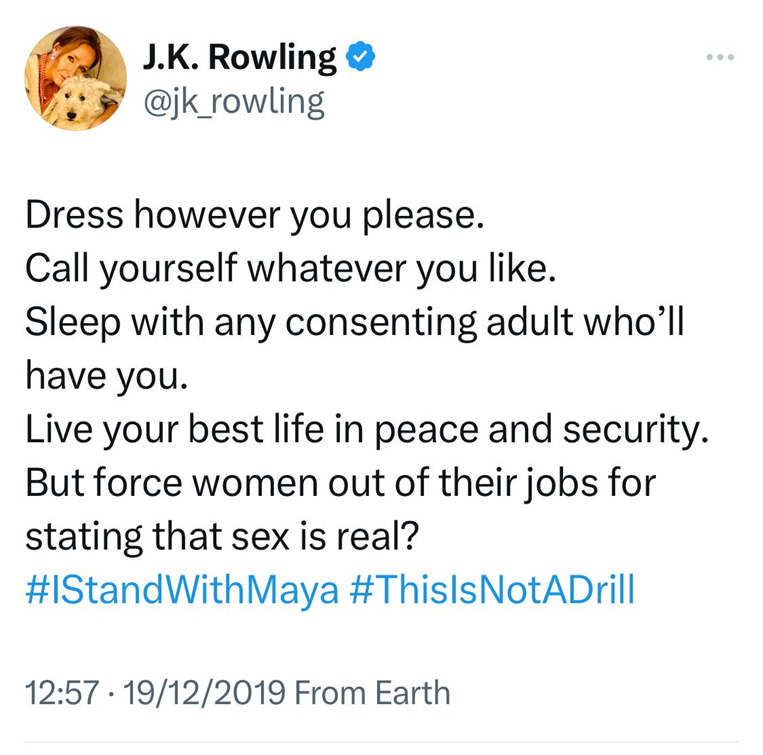
Families
The Role of Parents
Children thrive when they have loving and engaged parents and good relationships with peers. Shaming children and young people for being gender non-conforming is harmful and wrong. But socially transitioning — “affirming” someone as a member of the opposite sex — can have unforeseen, detrimental consequences and has not been demonstrated to improve outcomes. In fact, the Dutch Protocol explicitly discouraged the social transition of children and early adolescents.
A parent’s responsibility does not just lie in the here and now: while it may seem easier in the short term to seek transition for a gender-non-conforming or dysphoric young person, we believe that children and young people should be allowed to reach the age of maturity before irreversible decisions are made. Parents must be mindful of their child’s right to an open future. Adults labelling children or assuming that these labels will persist into later life is not a good parenting practice, whether or not children are exploring their gender or have other issues. It’s vital to help parents find a balance between accepting gender non-conforming behavior and providing thoughtful guidance on the reality of biology.
Partners and Spouses (Transwidows)
We don’t believe in treating individuals as monoliths just because they have an experience in common, so we understand that people may experience the announcement of a trans identity by their partner or spouse in multiple different ways. Some people embrace a partner’s announcement of a trans identity, others find ways to cope and adapt despite harboring reservations and still others experience it as a heartbreaking loss and betrayal of the relationship.
A transwidow is a woman whose partner identifies as trans. Some of these women report that their partner had autogynephilia or transvestic fetishism. Although some believe the term “transwidow” is extreme it can resonate very strongly with many spouses of trans-identified males or females. Not because the partner has died but because the new gender identity can often almost extinguish their prior personality. The relationship is also significantly altered, especially if the partner decides to medically transition, and ultimately their partner can become physically unrecognizable from the person they fell in love with, not only in looks but often in personality too.
Genspect believes it is vital that the partners and spouses of trans-identified people are able to express their experiences in their own words, without being accused of betraying the political and ideological orthodoxies of people on either side of the gender debate. Their stories are complex and often hidden, viewed as secondary to those of the trans-identified partner, and Genspect aims to bring them to the fore.
Siblings
Siblings of trans-identified people can often be overlooked however our sibling relationship is typically the longest relationship of our lives and is often very significant in terms of the formation of our personality. Some siblings identify as allies and can become their siblings strongest advocate. Depending on the family circumstances this can be either helpful or harmful to parents. We note reports from some trans-identified people that they found their sibling the safest person to explore their worries with as the sibling was typically more invested in them as a person rather than their trans identification. Other siblings reject their sibling’s trans identification and may view it resentfully as a disruptive aspect of family life. Siblings also report deep sadness as they witness their parents become anguished in the face of what they believe is an inappropriate transition.
There have been a small number of accounts of siblings with autogynephilia behaving inappropriately with their much younger siblings. We recommend that child safeguarding takes priority over everything, including a person’s gender identity and so parents should ensure their children are never exposed to inappropriate behavior.
Children of Transitioners
The number of children of the trans-identified population is unclear. The transgender population has increased however there has also been a significant shift in the demographics of people who are medically transitioning. A recent US survey by Goldberg (2023, p.3) found that 1% of trans respondents were parents, with over half being trans-identified men, about one-third nonbinary, and one tenth trans-identified women. To what extent this will increase in the future is unclear – for example, we do not yet know how many of the people who are amongst the current wave of transitioners have been rendered infertile by medical treatment, or how many will one day become parents.
Children of transitioners can include:
- Children of parents with medical transition histories well before children were born or adopted
- Children of parents with no intention of medical transition but who identify as transgender or non-binary
- Children of parents who may be in non-traditional family structures, such as polycules
- Children in trauma from family breakdown and their parent’s behavior
- Children happy and content in a community of “queer” families
- Children experiencing triangulation
- Children whose parent has transitioned at some point in their childhood development
- Children struggling with ambiguous loss who find it difficult to talk about feelings of grief
- Children whose sense of security has been shattered by the loss of their home, family unit or the religious community they were brought up in
- Children who have been completely excluded from their parent’s gender journey
- Children who have been active participants in their parent’s gender journey
- Children who are secure in their sexuality and gender identity
- Children who identify as trans or non-binary, queer or bisexual or polyamorous or any of a range of different sexual and gender identities
- Children experiencing confusion and loss as their parent of the same sex rejects their sex, particularly at significant times, such as a boy learning to shave or a girl having her first period.
It is notable that until now studies seem mostly to have been carried out for the benefit of mature trans-identified males and ignore the impact on the wider family. Studies are also frequently interpreted to support trans parents in custody disputes, for example Stotzer et al. (2014), which recommends “further research and designed interventions are needed to begin to address discrimination by courts, adoption agencies, and foster care and child welfare systems.” Although there is a substantial body of well-financed resources for trans-identified people looking for custody support, from organizations such as the ACLU (2013), FFLAG (2021), Stonewall (The Telegraph, 2021) and many others, there is very little equivalent support for families of trans-identified people who are seeking similar support.
Aitchison (1998), detailed the experiences of abuse suffered by members of “Women of the Beaumont Society”, observing: “One hundred women per year are delivered into psychiatric care as a direct result of their experiences….” [of] “close association with a gender dysphoric person.” The Beaumont Society was a UK-based support organization for transvestites and transsexuals and their female partners. The research in this field is also weak as it typically studies trans-identified women and men as though they are one cohort rather than significantly different cohorts, with different associated challenges. The experiences detailed by partners and children of trans-identified people on sites such as childrenoftransitioners.org, Ourpath.org and numerous blogs and forums suggest that a good deal more research is required to properly support these groups.
Children can sometimes be inadvertently or purposefully co-opted by parents to become allies of the trans-identified parent. Trans Parent Day is celebrated on the first Sunday of November, and books such as Nothing Ever Happens Here (Haggart-Holt, 2021), My Trans Parent (Bryant, 2020), She’s My Dad! (Savage, 2020) and He’s My Mum! (Savage, 2021) are aimed at children from age three upwards. These books position children as supporters of the trans rights movement, at a time when they may be unsure of their views, dealing with traumatic changes in their own lives and sometimes conflicted loyalties between their parents. There are accounts of children declaring a trans or non-binary identity to demonstrate their loyalty with their parent, however this could also be construed as the child processing these identities as they are in the midst of figuring things out. It can be intensely destabilizing when a child is requested to perceive their father as their mother or vice versa.
Recent accounts of trans-identified fathers receiving help from organizations such as La Leche League induce lactation using cardiotoxic drugs such as domperidone, demonstrate the need for safeguarding protections to be put in place for children of transitioners. Trehair et al, 2024 show that even trans-identified grandfathers have been helped to lactate in order to feed their grandchildren. A forthcoming review of the evidence underpinning the practice of inducing lactation in trans-identified males finds that the safety of the practice is predicated on a handful of flimsy case studies and unverified anecdotes. No systematic research on the safety and nutritional content of male lactate has ever been conducted and many of the case studies show a shocking lack of regard for the autonomy and wellbeing of the children of transitioners, frequently failing to record even basic data about the impact of male breastfeeding on the developmental and nutritional needs of newborns. The campaign group, Children of Transitioners, contains many adults who are painfully aware that their fathers’ trans identification was sexually motivated and who are unambiguous in their view that a trans-identified male who breastfeeds a newborn is committing an act of child sexual abuse. Meanwhile, a paper in SSM – Qualitative Research in Health advises that trans-identified women should not be discouraged from continuing to take testosterone throughout pregnancy, on the grounds that their dysphoria may increase, despite evidence that this increases the risk of DSDs in babies.
Children with trans parents require as much safeguarding as any other child. Transgender adults are more likely to experience poor mental health, with comorbidities ranging from eating disorders to narcissism and/or paraphilias such as autogynephilia. The sexual nature of transition for many men can lead to boundary violations in the relationship with their child. For example, when a father becomes upset because his daughter does not want to have a make-up session with him, detailed in My Trans Parent by Heather Bryant. Caitlin Jenner has described taking his daughter’s underwear, leading support organization OurPath to advise that: “Taking or borrowing children’s clothing is a boundary violation and needs to be discouraged.”
Some trans-identified men may have paraphilias, not just of fetish crossdressing and/or autogynephilia, but associated paraphilias such as exhibitionism, voyeurism and pedophilia. Examples of this may include a father who steals their daughter’s underwear, wants to watch his daughter and her friends getting changed, a father who wears sexualized and/or revealing clothing around their child, or a father who fantasizes about breastfeeding and inducing lactation to “feed” a baby. Children and partners who do not comply may be subject to narcissistic rage, or witnesses to it.
As the numbers of trans-parents continues to grow and age, this cohort will experience the typical challenges of the human cycle. Trans-identified people have a higher risk for early dementia, and it is likely that trans-identified women who have undergone early menopause will also be susceptible. When a trans-identified parent develops dementia, their children may encounter unique challenges. The elderly trans person may forget that they underwent transition and express surprise at changes to their body. Sensitivity will be needed not to insist on politically sanctioned pronouns and names and to respond with care to the immediate needs of the elderly trans-identified person. In time, this cohort may also change, and the numbers are likely to increase.
Children of Detransitioners
The children of detransitioners may also have different experiences, as their parent copes with the physical and emotional effects of ending transition. The majority of detransitioners these days, individuals who are in the process of stopping medical gender treatment, appear to be from the ROGD cohort. Compared to males, females transition earlier and detransition more quickly. How many of the women who have undergone medical transition are capable of conceiving is undetermined. It is possible that women used to having periods suppressed by testosterone may be surprised to find that they are fertile, and that they have become pregnant despite not having periods for some time. There may be issues during pregnancy as the result of testosterone use, not dissimilar to older women who conceive during menopause. Premature birth and low birth weight are possible complications, which may have longer term physical consequences for the child. Vaginal atrophy is another possible complication, making vaginal delivery more unlikely. There is evidence that prenatal testosterone can cause disorders of sexual development and potentially have a profound effect on the behavior of the child, including behaviors such as higher impulsivity in boys. MHPs may need to consider these factors when working with the children of female detransitioners.
Parents on a detransition journey may also experience emotional effects from parenthood, for example a sense of grief at not being able to breastfeed their baby if they have had their breasts removed. MHPs should consider this in their work with both mother and child. A 2021 survey reported that of the 217 female destransitioners, many expressed feelings of regret and difficulties related to physical and social changes, and the need to connect with others experiencing detransition.
Detransitioners frequently report that the community which supported them in transition disappears when they detransition. Detransitioners do not necessarily form the same cohesive community, particularly as the reasons for detransition, and the methods of detransition, vary. They may only be in touch with others in a similar situation online. Detransitioners may also have difficult family relationships resulting from their trans history and possible comorbidities. Professionals should consider that the detransitioner parent may struggle to find support and community while parenting, which impacts their child.
There may be further struggles if the comorbidities which led to the transition in the first place are not resolved. Research by Vandenbussche (2021) revealed that prevalent comorbidities among detransitioners were depressive disorder (70%) and anxiety disorder (63%). Twenty percent of the detransitioned women surveyed by Vandenbussche (2021) had autism spectrum condition (ASC). Having an autistic parent, whatever their gender journey, has its own challenges and may exacerbate feelings in children that their family is different to others. Children of depressed parents, particularly mothers, are more likely to experience poorer physical and mental health, as well as poorer wellbeing. Parents with social anxiety disorder (SAD) are more likely to have socially anxious children. MHPs should be aware of the importance of helping parents and children by looking beyond gender dysphoria to other issues they may be experiencing.
Detransitioners may still be socially transitioned, may still be gender nonconforming, or may have decided to be more gender conforming. This possibly depends on the progress of their medical transition prior to detransitioning or other factors. Some parents will have detransitioned prior to parenthood or may undergo that process while parenting. MHPs must be aware of these different factors in helping clients.
When a trans-identified parent develops dementia, their children may encounter unique challenges. Trans-identified people have a higher risk for early dementia and it is likely that trans-identified women who have undergone early menopause will also be susceptible. The elderly trans person may forget that they underwent transition and express surprise at changes to their body. Sensitivity is needed not to insist on politically-sanctioned pronouns and names and respond with care to the immediate needs of the elderly trans-identified person. In time, this cohort may also change, and the numbers are likely to increase.
Many parent groups report that schools are inadvertently contributing to the growing incidence of gender dysphoria, which has inexplicably increased by a factor of twenty or thirty within a single decade in most developed countries. This is in part because education policies have become one-sided, repositioning gender non-conformity as a “transgender” identity and teaching children that sex is nothing more than a menu of hormones from which they can choose.
These ideas, represented by playful graphics of the “gender unicorn,” are no more scientific than the theory that the earth is flat. Although individuals are free to subscribe to any set of beliefs, schools must not misrepresent a belief — no matter how passionately held — as science.
It’s particularly problematic when schools take part in “social transition”, which the Cass Review notes should only be considered after consultation with a qualified medical professional. Social transition is a psychosocial intervention with life-long consequences, which teachers are neither trained nor licensed to undertake. Although it may seem like an easy solution, schools are not there to make life simple for teachers: even if it means difficulty during the school day, teachers should encourage kids to strike out as individuals, rather than seeking out what seem to be the immediate answers.
We believe that children should be allowed to explore their own identities at their own pace, without adults jumping to assumptions about them. Whether we are male or female, gay or straight, small or tall, blue-eyed or brown-eyed, we are all born in the only body available! If anyone is born in the wrong body, surely people with physical challenges like spina bifida and cerebral palsy should be at heart of this debate. Learning to love and take care of your body is a key part of growing up and growing old. The transition from troubled child to happy, confident adult is always possible.
We also believe that young people who are distressed by their feelings — beyond the expected growing pains when ideas and concepts of self are tested against reality — need access to high quality mental health support. Unfortunately, transition has never been demonstrated to improve long-term mental health outcomes; believing that medical transition will be the answer to distress is a perilous position to take.
Several of Genspect’s advisors and parents have unfortunately witnessed first-hand mentally distressed youth spiral downwards after transitioning, sometimes ending in tragedy. Often, that experience motivates people to become more involved in campaigning for better standards of care. These vulnerable youths regret being “affirmed” and should have had the more conventional and long-established psychotherapeutic approach.
A cautious, least-invasive-first approach is utilized in clinical best practice: for this reason, Genspect firmly believes that psychotherapy should be considered as a first line treatment option for gender-questioning young people and this is also the recommendation of the Cass Review. However we also believe that parental disempowerment is an under-recognized issue. We encourage parents to value their own input, as they are the world experts on their own kids. We do not believe that medical interventions such as puberty-blockers, cross-sex hormones and sex reassignment surgery should be considered for children, adolescents or vulnerable adults.
Understandably, a lot of emphasis in the gender debate has been placed on minimum age requirements, with many commentators insisting that nobody below the age of consent should be able to undergo medical interventions related to gender. While Genspect entirely agrees that children should never be given puberty blockers, cross sex hormones or gender surgeries, we feel that the emphasis on minimum age requirements ignores the need to safeguard vulnerable adults as well.
In the UK and Ireland, “vulnerable adult” is a specific legal term used to describe people above the age of majority who nonetheless require additional safeguarding as a result of learning disabilities, physical or mental health difficulties or developmental issues. The term is also sometimes applied to adults experiencing heightened vulnerability due to drug addiction, family breakdown or homelessness. Genspect uses the term “vulnerable adult” more broadly than is conveyed in this strict legal sense. We believe there is now ample evidence that gender affirming clinicians have failed to recognize vulnerabilities like autism, complex trauma, mental health difficulties and internalized homophobia in many adult patients presenting with gender distress.
Whie we believe it is more helpful to run public awareness campaigns on this subject rather than operate a minimum age requirement, it is high time clinicians recognized the prevalence of vulnerable adults in the gender-distressed patient population and took this into account when considering whether an individual is truly capable of giving informed consent. Prohibition does not work and there is already a thriving online black market that offers a range of dangerous DIY hormones and surgical interventions. For this reason, we believe resolution lies in raising public awareness of the many issues related to medical transition, both for the individual and to society, rather than seeking to drive this issue underground. Raising public awareness of the harms of medical transition is a central part of our resolution.
In our work, we treat everyone with respect and dignity, recognizing the diversity of people’s experiences and treating everyone as an individual. Genspect will not tolerate hateful or dehumanizing rhetoric towards anyone. We believe that members of the trans community deserve the same fundamental rights as all of us and we expect trans people to uphold the same high standards of behavior we expect of everyone else.
“Transphobia” is a word we often hear used when someone questions the idea that a person can change sex or expresses doubt that medical interventions are safe, evidence-based solutions to feelings of dysphoria. We believe that this is not an appropriate usage of this term and it is imperative to question and investigate the safety and efficacy of treatment practices for gender-related distress in order to bring about the best outcomes.
Genspect wholeheartedly supports the rights of sexual minorities in society and is proud to include many gay and lesbian members of our team. We abhor homophobia and biphobia and have a zero-tolerance policy towards such forms of discrimination. We stand alongside members of the lesbian, gay and bisexual communities in continuing to fight prejudice on the basis of sexual orientation. In particular, we defend the right of young people with a developing gay or lesbian sexual orientation to grow up to be happy same sex attracted people who do not feel the need to medicalize.