




Training and Education

We provide training to schools and organisations. Continue reading to learn more or enquire now to book your session.
Training
About our training sessions
Our training sessions delve deep into the subjects of inclusivity, gender identity, sexual orientation, mental well-being, scientific advancements, and actionable strategies that empower organizations to tackle gender-related issues effectively.
Our adept team recognizes the vibrant tapestry of today’s work and school environments. We tailor our training sessions to the diverse landscape of modern life, ensuring that every individual’s perspective is respected and understood while also ensuring that one individual’s inclusion does not come at the expense of another’s.
Our sessions last 1 to 2 hours and can include an interactive Q&A session where you can delve further into the topics covered, fostering dialogue and understanding among participants.
Adapted to the distinctive needs of your organization, our sessions are customizable to create an ideal fit. Whether you are an educational institution seeking to empower educators, a healthcare provider aiming to enhance sensitivity, a therapist or counselor striving for greater empathy, or a corporate entity dedicated to fostering an inclusive workforce, our training is tailored for you.
Our ethos
In the modern workplace, inclusivity is vital, requiring staff to establish an environment that accommodates everyone. However, achieving this inclusiveness should not compromise the rights of others. Finding this balance presents a significant challenge.
Our training emphasizes the necessity for employees to balance different individuals’ rights, considering aspects like sex, gender identity (or its absence), sexual orientation, and sexuality—elements that can lead to confusion if not properly understood. We acknowledge the unprecedented circumstances that organizations currently face. The rise of social media and the easy accessibility of explicit content have contributed to a rise in mental health struggles, spanning concerns about body image, bullying, gender identity, sexual orientation and sexuality.
Our aim is to equip organizations to compassionately address these difficulties by providing accurate information. We seek to empower organizations to respond to these challenges with empathy and understanding.
About Genspect
Genspect was set up to provide a healthy approach to sex and gender. Since our founding in
June 2021, our scope has broadened to encompass the development of training modules tailored for various domains: educators in schools and universities, healthcare professionals, psychotherapists, counsellors, and corporate entities. These modules serve to aid these professionals in effectively embracing individuals with multifaceted backgrounds, diverse sexual orientations, and varying or no gender identities.
Who is our training for?
Schools: We provide training for school staff and parents.
Corporate and state organisations: We provide training for employees and leadership teams to navigate workplace challenges.
Clinics: We provide training for healthcare professionals on best practices in patient care.
Meet Our Training Team
Stella O’Malley

Stella O’Malley is a psychotherapist, author, and the founder and director of Genspect, an international alliance of professionals, parent groups, transitioned people and detransitioners who work together to promote a healthy approach to sex and gender. Founder of the Gender Dysphoria Support Network, clinical advisor at SEGM, the Society for Evidence-based Gender Medicine and a member of CAN-SG, the Clinical Advisory Network for Sex and Gender. Stella is also the author of the four bestselling books, Cotton Wool Kids, Bully-Proof Kids, Fragile, and What Your Teen is Trying to Tell You. She is currently studying for a PhD on gender-related distress in children and young people.
Nancy McDermott
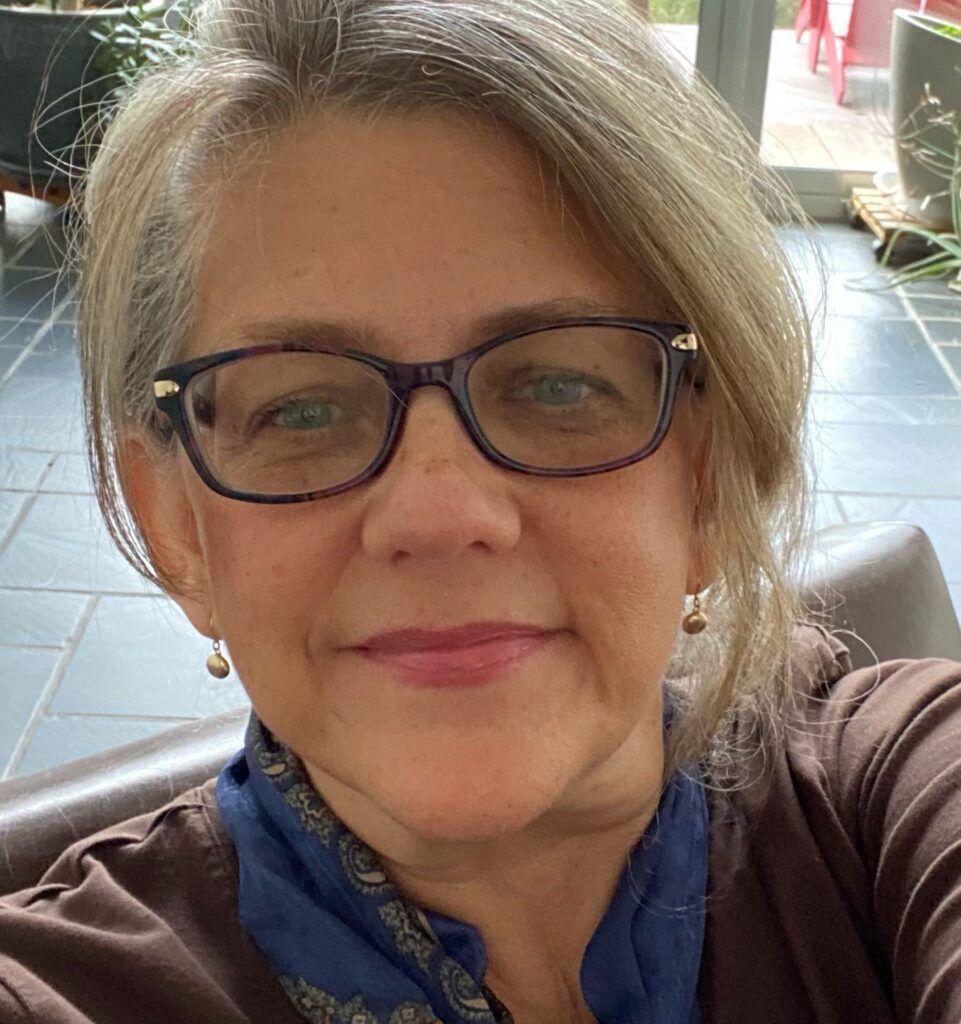
Nancy McDermott is a writer, speaker, and expert on American parenting culture. She is an affiliate of the Centre for Parenting Culture Studies (CPCS) at the University of Kent at Canterbury, and a former advisor to the Park Slope Parents online community where she earned the moniker “the voice of reason”.
She became concerned about the impact of therapeutic child-rearing while writing her history of American parenting culture since the 1970s, The Problem with Parenting (Praeger 2020). ”What began as a well-meaning attempt to free children to ‘be themselves’ has undermined our ability to transfer key cultural values and norms from one generation to the next, Gender distress is the most profound expression of this disorientation. As adults we need to take responsibility for helping our youngest citizens to find their way.”
Enquire and book your session
Testimonials
…an engaging, entertaining, informative and knowledgeable presenter. She was very open about there being opposing views to hers and facilitated an open undefendeddiscussion amongst the group.
Room for questions; not just reading from slides; the presenter knew her subject matter and was an experienced presenter.
This was the training we were waiting for… A great opportunity to ask questions of someone in the know, without feeling judged, and get practical answers to actual questions.
Refreshing! This session sparked many a conversation between members of staff… It’s such a breath of fresh air to be able to discuss gender without the ideology!
I am leaving with many new ideas and food for thought around ways in which I can further my knowledge in this interesting topic!
Education
Schools, colleges and universities often feel like they are on the front line of a culture war.
With rising numbers of gender-questioning kids, teachers and support staff find the issue of gender taking up more and more of their time. Yet, while staff rightly wish to respect students exploring their identities, they also rightly wish to protect other groups – such as girls and young women, who have a legitimate expectation of single-sex provisions.
It can often feel like schools and higher education institutions are “damned if they do, and damned if they don’t.” But we believe that gender-questioning kids can be respected without staff giving away their authority, or compromising the well-being of other groups.
Our guidance and resources can help you strike the balance.
Brief Guidance
Our Brief Guidance for educational establishments seeks to provide practical answers to the questions teachers, lecturers and counsellors are asking. How should we respond to demands to change names and pronouns? What about changing rooms and sports facilities? How should schools accommodate parents in decision-making processes?
As well as providing guidance for establishments themselves, we also offer advice on social transition – the changing of names, pronouns, and other aspects of the self in line with a new gender identity. These recommendations are all made in consultation with a range of different groups, including professionals, parents, and people who have undergone transition themselves.
Share our ethos? Then join us!
Growing numbers of teachers are wondering about how best to approach the gender topic in classrooms. They’re also asking how they can ensure that parents don’t get excluded from important decisions about their kids’ futures.
By joining us, you’ll receive email updates, and advance notice of any upcoming events. You’ll also have the chance to subscribe to our online Community Forum, where you can meet people from all walks of life who share your outlook.
Most importantly, you’ll be showing the world that the education sector is not a monolith when it comes to provisions for gender-questioning kids. With your help, we can continue to build a global community centered on a rational approach to gender issues.
Resources
We’ve created a range of resources you may find useful, whether in the classroom setting itself, or to provide you with a deeper perspective on gender issues in today’s climate.
Don’t forget the D!
With so much focus placed on trans issues, there’s one group that often gets overlooked: detransitioners. Yet the number of people in this marginalized group is growing. To make sure there are proper provisions for detrans people, we want to encourage schools, colleges and universities to “include the D in the acronym”.
To hear more about the experiences of detrans people, as well as those who are ambivalent or disenchanted with their own transition, click here to check out Genspect’s Beyond Transition project. You’ll be able to watch clips from our #DetransAwarenessDay conference, and consult resources that can assist you in improving the pastoral care you provide to this emerging community.