




Healthcare

We wish to support clinicians by providing a deeper level of knowledge about gender issues. On this page, you will find useful resources, links to helpful organisations, and tailored guidance for healthcare workers. We believe this will assist you in developing a better understanding of what gender means in today’s context.
As the therapist Sasha Ayad says, “no-one is just a walking gender identity”.
Yet many children and young adults are investing huge amounts of stock in their transgender or non-binary identities. The stakes feel high: often, medical transition seems to become a panacea, and fixation and hyper-rumination ensue.
Many clinicians are deeply concerned that these vulnerable young people are being funnelled towards a singular explanation for their distress. In reality, life is more complex. Comorbidities such as ASD, ADHD, eating disorders, depression and anxiety each deserve their own analysis: so do trauma, bullying and internet use.
Around the world, countries are reappraising how they deal with gender-questioning youth. As jurisdictions revisit their treatment protocols, it’s becoming clear that the new cohort of trans-identified adolescents and young adults is little understood, leaving those who work in healthcare in a precarious position.
Brief Guidance
Our Brief Guidance for clinicians has been drawn up in consultation with a range of professional healthcare workers, including therapists, doctors and mental health workers, with particular input from those who work with gender-questioning kids.
We believe that gender-related healthcare is often put in its own silo, as though it were unrelated to other health matters. We also believe this to be a mistake: clinicians should not be frightened of gender issues, and should feel able to deal with them as part of their normal range of practice. With that in mind, we hope that our guidance helps to demystify some of the complex aspects of transgender identification.
Stats for Gender
We created our sister website, Stats for Gender, to improve the accessibility of high-quality, peer-reviewed data pertaining to trans issues.
Each topic is easily displayed with a simple click: from demographics and DSDs to comorbidities and neurodivergence.
Stats for Gender gives you findings from the latest cutting-edge research, ensuring that you are up to date with the science as it stands.
Ever wondered what the pioneers of gender healthcare really think?
Genspect is proud to sponsor “Gender: A Wider Lens”, the podcast that’s leading the world towards a more expansive and thoughtful view of gender issues. The Wider Lens’ recent “Pioneers” series gathers in one place some of the most influential figures from transgender medicine – and asks them the tough questions you really want answered.
Listen to each episode using the audio player below, or scroll down to access all the “Gender: A Wider Lens” episodes.
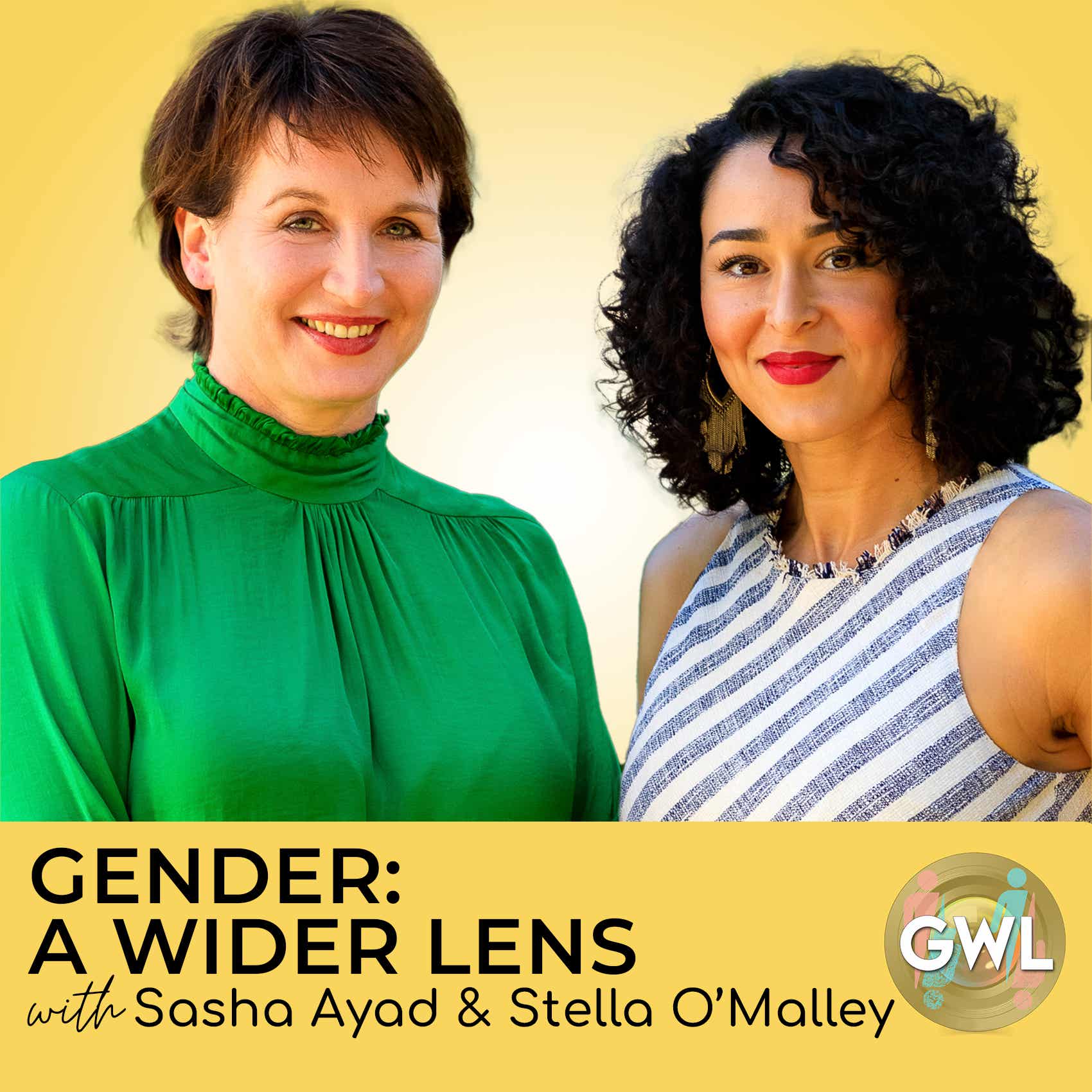
In this podcast, now in its fourth year, therapists Stella O’Malley and Sasha Ayad take a deep dive into the psychological and cultural forces impacting the social changes around “gender.” Through interviews with researchers, doctors, therapists, parents, detransitioners, and others, Sasha and Stella’s podcast is a “must listen” for anyone trying to navigate the current gender landscape. With their sharp analytical minds and deep compassionate hearts, Stella and Sasha have also become known throughout many parent networks as lighthouses in the midst of some very stormy seas. Previous guests include Helen Joyce, Jesse Singal, Leor Sapir, Kathleen Stock, Jamie Reed, Peter Boghossian and more.
Stella O’Malley and Sasha Ayad are two therapists interested in how the concept of gender is impacting our culture and shaping our society. For nearly a decade, we’ve been exploring sex and gender and helping patients and families impacted by gender issues. As we’ve dug into the shifting concepts of identity, gender, and transition, we felt unsatisfied by clichés, mental health platitudes, and modern gender jargon.
Have you ever thought there’s got to be more to all this trans stuff than political slogans? Well, we’re right there with you. Since 2020, on our podcast, Gender: A Wider Lens, we’ve discussed all things trans with brilliant guests, including academic philosophers, journalists, doctors, therapists, trans people, detrans people, parents, and many others. In hundreds of conversations, we’ve tried to hold a spirit of honesty and compassion while staying grounded in reality and sanity.
After four years of creating this podcast, we’re shifting gears into our Substack only Live and Unfiltered events. Once a month, you can now join us on Substack for discussions about current events in the gender world and analysis of your favorite episodes of Gender: A Wider Lens. Grab your coffee or cocktail and hang out with us in our new live and unrecorded private sessions.
Don’t worry, our entire huge archive of episodes isn’t going anywhere. You can still find us on all major podcast platforms, and you can watch us on YouTube and look at helpful playlists that organize past episodes so you can find exactly what you’re looking for. But our main hub continues to be Substack, where you can listen to four years’ worth of free episodes, or become a paid subscriber to join our new monthly, Live and Unfiltered events.
Our paid Substack membership is also the only place to access over 100 premium episodes featuring answers to listener questions and bonus content with our guests. We’d love for you to come and say hi, drop us a question, or tell us what episodes you’d like us to analyze.
So join us on Substack. As we look at gender, from a wider lens.
This is a public episode. If you would like to discuss this with other subscribers or get access to bonus episodes, visit www.widerlenspod.com

The healthcare industry has failed young people. But there’s a way to make amends
Growing numbers of trans people are choosing to detransition. Yet more are questioning the level of healthcare they received, and while they may not wish to re-enter the same medical system that let them down, they are certainly disenchanted by their own transition.
On March 12th, 2022, Genspect hosted a Detrans Awareness Day webinar, where detransitioners could speak about their own experiences, in their own words. You can watch the entire event here:
Hearing these testimonies, we decided to prioritise those who have been so badly let down by the healthcare system. So we launched Beyond Trans, a service designed to meet the needs of this under-resourced community.
If you would like to repair some of the damage that the modern healthcare industry has done to young people questioning their gender, you can get involved. We’ll be rolling out initiatives to provide support to detransitioners and others negatively affected by medical transition.
We’d like as many therapists and clinicians as possible to be involved.
Listening to parents’ voices
Most parents are loving and engaged people. They want the best for their kids – not just today, or next year, but for the rest of their lives. When they raise concerns about medicalisation, those concerns should be given a fair hearing.
We do not believe that parents should be cut out of decision-making processes regarding their own children, except in the mercifully small number of cases where state agencies have had to intervene to protect children from physical neglect and abuse.
We believe that parents are wrongly being sidelined in their own kids’ lives, and that clinicians should be sure to include them wherever possible. Please take a moment to look over the resources below, which will give you a flavour of the loving and engaged parents we represent.
Become part of our movement
In many different countries, therapists, doctors and mental health practitioners are coming to realise that there’s so much more to learn about transgender identities – and that there’s much to be said for joining forces with other professionals in similar positions.
By joining us, you’ll receive email updates, and advance notice of any upcoming events. You’ll also have the chance to subscribe to our online Community Forum, where you can meet people from all walks of life who share your outlook.
Working with other organisations from healthcare and beyond, we are building a global movement to improve the quality of treatment for young people who are questioning their gender. We’d love you to be part of it.