




Genspect Goes for “The Bigger Picture”
By Genspect

EPATH (WPATH) counter conference. Read to find out more.
Killarney, Ireland April 27-29
Over three days at the end of April, Genspect will host its first-ever conference in Killarney, Ireland, while down the street, the European Professional Association for Transgender Health (EPATH, sister organisation to WPATH) holds its own annual conference. These side-by-side events will present competing approaches to understanding and treating gender distress: EPATH focuses narrowly on medicalisation, while speakers and symposia at Genspect’s conference will present “The Bigger Picture” – the title of this ground-breaking conference.
For years, proponents of gender medicine have loudly insisted that the “science is settled”, arguing that hormones and elective surgeries are “necessary” and even “life-saving.” Attendees at the Killarney EPATH conference will hear further reporting from this narrow perspective, rooted in medicalization. However, at the Genspect event, there will be experts from many different fields discussing a myriad of perspectives. Eminent scientists, researchers, sociologists, psychologists, psychotherapists, lawyers, educators, feminists, trans people and detransitioners will together explore the deeper meaning of gender identity, challenge the evidence base for gender medicine, and describe the widespread damage that gender identity ideology has wrought.

Helen Joyce and Maya Forstater, Leading Voices in the Gender Debate
On the afternoon of April 26, Helen Joyce will return to her native Ireland to deliver the keynote speech of this conference. Joyce is a former columnist at The Economist and the well-known author of Trans: When Ideology Meets Reality, named in 2021 as a book of the year by the Observer, Spectator and Times. Joyce became a staff journalist at The Economist in 2005 and held several senior positions there until 2021 when she took a sabbatical to assume the role of Director of Advocacy at Sex Matters. She has since worked tirelessly to defend women’s rights to single-sex spaces against the encroachment of gender self-ID and trans rights activism.
In her keynote, Joyce presents the cultural and sociological impact of gender identity beliefs as well as the disastrous effects of gender identity ideology on the health care of those suffering from gender distress.
Joyce then teams up with colleague Maya Forstater, Executive Director of Sex Matters, for a panel discussion on the topic of gender-critical beliefs and their protection under the UK Equality Act. Forstater came to prominence in 2022 during a high-profile trial against her former employer when her contract was not renewed due to the gender-critical views she held and expressed on social media. Forstater prevailed.
The Boyce of Reason comes to Ireland
In the afternoon and evening, independent journalist Benjamin Boyce will host two separate panel discussions. Boyce made his debut with an epic documentary on the meltdown of Evergreen College, a US college caught in the grips of woke ideology. Boyce has since proven himself to be a highly skilled and sensitive interviewer with several dozen profiles of young people who, following medical transition, decided to reverse the process by detransitioning. In the first panel on Thursday, lesbian, gay and bisexual people explore the urgent issue of young gay people being pushed along a medical pathway toward medical transition, rather than being encouraged to accept their sexual orientation. The second panel will include prominent speakers in the detrans space, including Ritchie Herron, Helena Kerschner, Michelle Alleva and other new voices, coming together to discuss the common challenges facing detransitioners and what it really means to move “beyond transition.”

Research and Clinical Expertise: Bring on the Heavyweights!
The eminent Oxford sociologist Michael Biggs will kick off Day Two with an account of how, through careful analysis of the research and a series of Freedom of Information requests, he uncovered hidden study results demonstrating the failure of puberty blockers in improving the mental health of adolescents experiencing gender distress; the true number of suicides associated with gender-related distress; and the issues related to the so-called Dutch Protocol. A determined and forensic researcher, Biggs battled efforts by the Gender Identity Development Services (GIDS) at the Tavistock to withhold that evidence, and he is an inspirational tale of one man prevailing over a powerful, corrupt institution seeking to bury the truth. This presentation will be especially relevant following the shocking revelations contained in Hannah Barnes’s new book, Time To Think, about the downfall of GIDS at the Tavistock.
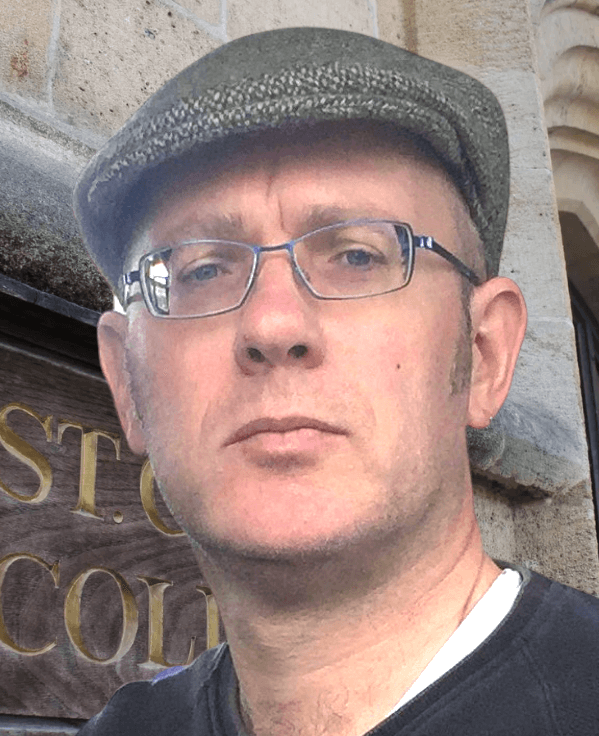
Prof. Kenneth Zucker will speak next, discussing the long-term gender-developmental outcomes of pre-pubertal children as well as his initial findings on the under-researched but increasingly popular intervention known as social transition, where the child’s name and pronouns are changed, and the child lives as the opposite sex or another gender. Zucker has been a world expert in the area of gender dysphoria for decades and one of the most cited names in the research literature on gender dysphoria and gender identity development. Editor of the prestigious journal, Archives of Sexual Behavior, Zucker helped write previous versions of WPATH’s “Standards of Care” and headed the working group which developed the DSM-5’s criteria for the diagnosis of “gender dysphoria”. Zucker led the Child Youth and Family Gender Identity Clinic (GIC), in Canada, one of the most well-known pediatric gender identity clinics in the world, which was targeted by transactivists in Canada and as a result, he was subsequently dismissed from his post in 2015. Zucker later received an apology and a settlement of $586k in damages from Canada’s largest mental health centre.

Stephanie Davies-Arai of TransgenderTrend was given a British Empire Medal (BEM) in the Queen’s Birthday Honours last year for her work protecting children from unnecessary medical interventions. Davies-Arai will speak about how experts are relying upon a flawed chain of trust in gender research, and how this faulty evidence base has led to WPATH publishing a flawed, unreliable and harshly criticised Standards of Care last year.
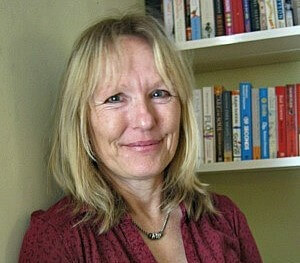
Sue Evans, psychoanalyst and co-author of Gender Dysphoria: A Therapeutic Model for Working with Children, Adolescents and Young Adults, first blew the whistle on GIDS in 2005, which led to the medical director at the Tavistock, Dr David Taylor, writing an extensive report complete with recommendations in 2006. Sadly this report was filed and ignored and didn’t come to light for another fifteen years. Sue Evans made another attempt to expose the many flaws in the treatment of gender-related distress at GIDS when she started the court case that ultimately led to the Keira Bell case. Evans will provide a presentation on how and why she felt compelled to hold GIDS to account.

Moving Beyond Transition
Genspect is the only organisation in the world to offer a service that funds low-cost and no-cost counselling for detransitioners. Sorely aware of the many challenges facing this dismissed cohort, we are providing two workshops for detransitioners, on Friday the 28th and Saturday the 29th of April. Body shame is a common issue, and many detransitioners fear whether they will have successful intimate relationships in the future. Dr Julia Mason and Dr Lori Regenstreiff will hold the first workshop on Friday, which aims to provide as much practical information as possible in this under-researched field. Dr Leonore Tiefer, a sexologist and psychologist, will facilitate the Saturday workshop, which will offer practical strategies about sex and relationships.
Rapid Onset Gender Dysphoria (ROGD)
Noted physician-researcher Lisa Littman coined the term Rapid Onset Gender Dysphoria (ROGD) and, in so doing, provided perhaps the only credible explanation for the reasons driving the unprecedented explosion in the numbers of adolescents presenting at gender clinics across the world who, having never hitherto showed any signs of gender-related distress, suddenly develop an all-consuming need to medically transition. Dr Littman became the target of a vitriolic attack with the publication of her ground-breaking research on Rapid Onset Gender Dysphoria (ROGD) in 2018, and once again in 2021 when she published research on 100 detransitioners. In her presentation, Littman will reflect on her latest thoughts about ROGD, five years after she published her seminal research.

Conversion isn’t Therapy, and Therapy isn’t Conversion
The recent craze to ban conversion therapy that has swept across the world has puzzled many mental health practitioners, as well-established ethical guidelines already outlaw this dated and barbaric practice that has no room in psychotherapy. “Conversion therapy” is the wrong term as accredited therapists are not performing conversion therapy and it is only religious zealots who are involved in “conversion practices”. This new upsurge in interest in “conversion therapy” has been led by trans activists who are determined to ensure that conventional therapy is restricted and reduced to the narrow-minded and medically focused gender affirmative approach. Read our Genspect Explainer: Saving Psychotherapy From Conversion Therapy Bans, for more information. The gender affirmative approach favours medicalising identities as soon as the child wants it. This has led to many children growing up, realising that their identity was more fluid than they realized, and eventually coming to regret it. Genspect presented many of these issues on Detrans Awareness Day last year and will again this year on March 12th. Psychotherapist and Genspect founder, Stella O’Malley, will give a presentation on the need to protect ethical psychotherapy from badly worded bans on conversion therapy.
Normalising medical excellence
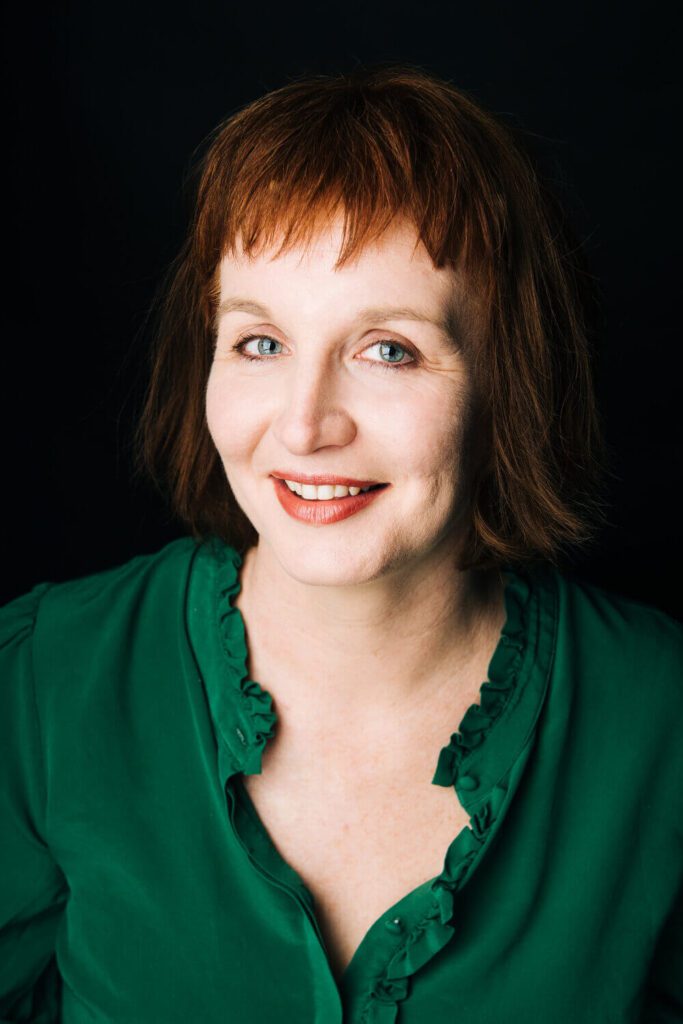
Genspect is determined to push for higher standards in healthcare for gender dysphoric youth, bringing the sector into line with the rest of the medical industry. With this in mind, Irish psychotherapist Iseult White will provide some insight into the “chilling effect” that politically motivated campaigns are having on ethical therapists. Genspect co-founder Alasdair Gunn (aka Angus Fox) will discuss his encounters with true excellence in healthcare, and later join Forstater, Joyce, and O’Malley for a thoughtful debate on preferred pronouns and compelled speech.
Why Killarney?
Killarney is a pretty picturesque town, in the southwest of Ireland, far from Dublin and Belfast, the primary cities on the island of Ireland. EPATH’s decision to hold their conference in Killarney might seem initially puzzling. However, with some probing, it soon becomes clear that this event has been organised as a doctors’ junket. This is a well-established tourist town with a reputation for hosting world-class conferences across a myriad of industries. Well-serviced by rail and bus services, there is an airport with daily flights to Dublin, London and Germany 15 minutes outside Killarney.
The heavy links between the pharmaceutical industry and gender medicine are well documented, and the EPATH conference is evidently very well-financed. Clinicians from well-funded gender identity clinics across Europe will visit the conference and then perhaps take a tour around the lakes of Killarney and the beautiful Ring of Kerry. We hope they are engaged enough with this issue to attend our conference, held in the same town during the same week as the EPATH conference, and expand their minds towards a bigger picture where the medicalisation of identities is understood beyond the medical arena and within a more cultural and socio-economic context.
A live Episode of Gender: A Wider Lens
The podcast Gender: A Wider Lens has over 100 episodes that offer a deeper insight into gender. On Friday the 28th a live broadcast of this podcast with be streamed on YouTube in front of an audience from the Killarney conference. Psychoanalyst Lisa Marchiano will join co-hosts Sasha and Stella for a thoughtful discussion about gender.

Where Philosophy Meets Science
On the final day of the conference, the big picture will expand even further with presentations about the confluence of philosophy, feminism and queer theory by Dr Heather Brunskell-Evans. Social theorist and philosopher, Brunskell-Evans, is the co-editor of two books on gender identity and children: Transgender Children and Young People: Born in Your Own Body and Inventing Transgender Children and Young People and has been a leading voice in this arena for some years. The paediatrician Dr Julia Mason recently came to attention when she found a multitude of faults with the way the American Academy of Pediatrics has chosen to promote the medicalisation of children’s gender identities, despite having no long-term quality research to support this approach. Dr Mason’s presentation will focus on the problems with the evidence base in paediatric gender medicine while Dr Lori Regenstreif will highlight in her presentation some common gaps in the knowledge that is required to offer excellence in gender healthcare.
It is an accepted standard practice to consider the parents’ viewpoints when assessing vulnerable children and youths,9 and yet a striking aspect of the recent explosion in gender healthcare has been the dismissal of loving, engaged and liberal parents as ‘evil transphobic bigots’. A panel giving voice to the parents’ concerns aims to rectify this.

Súil Eile: Ireland’s Strange Position
Saturday will also provide some focus on how gender is unfolding in Ireland with presentations from leading voices within Ireland. Genspect has followed with interest the split between the adult gender services and the children’s gender services. The adult gender services’ decision not to follow WPATH guidelines has proved to be a wise decision; meanwhile, the more maverick children’s services which utilise the ‘Treatment Abroad Scheme’ to provide services in Ireland is looking increasingly like the wild west. Laoise Aodha de Brún, barrister-at-law and the founder of The Countess, will discuss the Gender Recognition Act and a suite of upcoming bills that have the potential to embed gender ideology within society. Colette Colfer, an academic who lectures in world religions and ethics, will explore the religious aspects of gender ideology while leftist feminist Estelle Birdy, will explore how past events in history can teach us how to fight the new authoritarianism that has crept in under the guise of ‘being kind’. Gender identity ideology is currently being taught in some Irish schools as fact, and a panel discussion will explore how this happened and the impact of this.
Boys, Girls and Fellow Travellers: Where Gender is Heading in the 21st Century
As the conference comes to a close, another panel discussion will discuss the issues among males with transwoman Miranda Yardley providing an analysis of what has gone wrong with gender healthcare in recent years. Clinical psychologist and vice-director of Genspect, Joe Burgo has until recently mostly focused on shame and narcissism but has recently turned his head on gender issues. Burgo will present clinical material illustrating the role sexualised shame has in fueling autogynephilia. Researcher and writer Eliza Mondegreen will present some preliminary findings from online trans/detrans communities that will show how attitudes, beliefs and knowledge about gender are shaped through online platforms. Mondegreen will also demonstrate how these communities handle questions, doubts, and uncertainty about trans identity and transition. Finally, Jungian psychoanalyst and author Lisa Marchiano will offer a case study of a detransitioner and the associated problems with the affirmative care model before the closing plenary.
Book now
Genspect’s conference on “The Bigger Picture” will expand our common understanding of gender distress and crack open EPATH’s mono-focus on medicalised modes of treatment. Tickets for the event are on sale now and available for purchase below. For enquiries, please email info@genspect.org