




Don’t Mention the T-word: Germany’s Quiet Divide on Gender
By Lisa Mueller
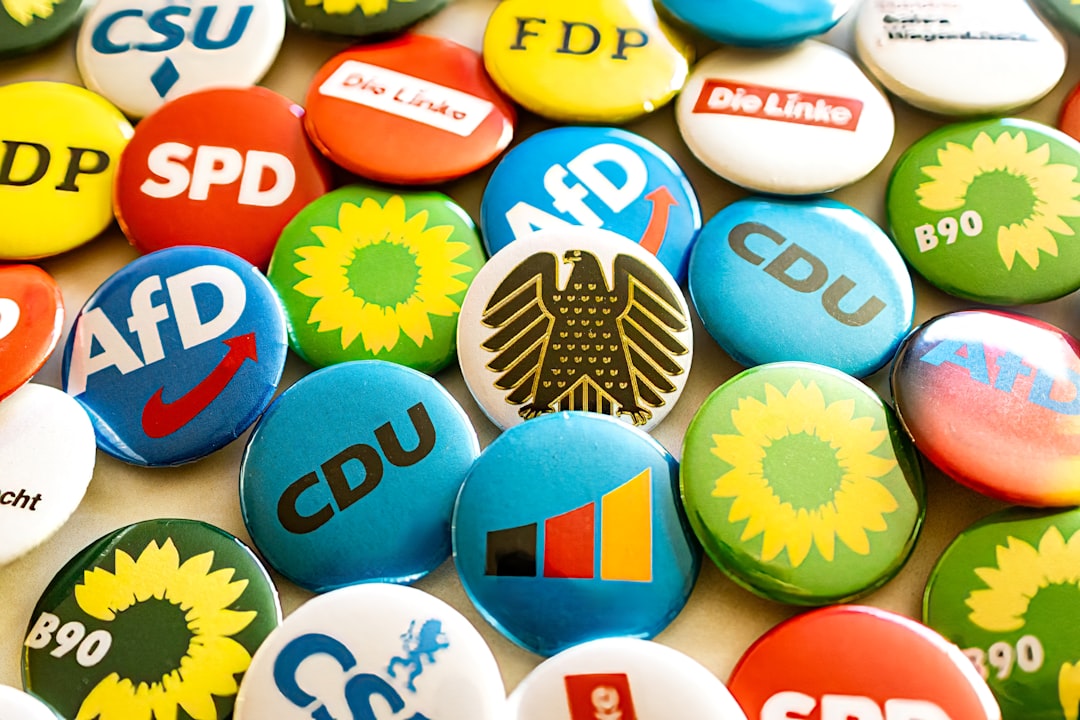
Germany has grown deeply divided in the lead-up to its early federal election, with existing rifts—between generations, rural and urban areas, and East and West—now starkly reflected in parliament. This polarization is underscored by an exceptionally high voter turnout of 82.5%, up from 76.4% in the 2021 general election.
A Shift to the Right
The election’s winners are the conservative duo of the Christian Democratic Union (CDU) and the Christian Social Union (CSU). The CDU operates in 15 of Germany’s federal states, while the CSU, its Bavarian counterpart, runs independently; together, they campaign under a joint manifesto and candidate. They secured 28.6% of the vote, up from 24.2% in 2021.
The right-wing populist Alternative für Deutschland (AfD), backed by Elon Musk, surged to 20.8% (up from 10.4% in 2021). The Social Democratic Party (SPD), led by current Chancellor Olaf Scholz, dropped to third place with 16.4% (down from 25.7%), while its former coalition partner, the Greens, fell to 11.6% (from 14.7%). The junior partner in the “traffic light coalition,” the liberal Free Democratic Party (FDP), scored just 4.3%, missing the 5% threshold for parliamentary seats (down from 11.4% in 2021). Meanwhile, DIE LINKE, the successor to East Germany’s communist SED party and now focused on identity politics, rose to 8.8% (up from 4.9%, when it secured seats via directly elected MPs). The newly formed, anti-woke Sahra Wagenknecht Alliance, which broke from DIE LINKE a year ago, narrowly missed the 5% mark at 4.97%.1
The East-West Divide
The AfD dominated in Germany’s five eastern states, winning 32.5% in Brandenburg, 35.0% in Mecklenburg-Western Pomerania, 37.1% in Saxony-Anhalt, 37.3% in Saxony, and 38.6% in Thuringia. In politically fragmented Berlin, however, DIE LINKE led with 19.9%. In most western states, the CDU/CSU prevailed, except in the city-states of Hamburg (SPD, 22.7%) and Bremen (SPD, 23.1%).2
The Generational Divide
Among 18- to 24-year-olds, DIE LINKE topped the polls with 25% (up from 8% in 2021), edging out the AfD at 21% (up from 6.5%). The mainstream CDU/CSU (13%, up from 11%) and SPD (12%, down from 15.5%) struggled to attract younger voters. The Greens, traditionally popular with youth and tied to the Fridays for Future movement, slumped to 11% in this age group (down from 24% in 2021).3
Don’t Mention the Big T
The campaign spotlight fell on Germany’s faltering economy (now in its third year of recession), energy policy (with nuclear plants shuttered and cheap Russian gas abandoned due to the Ukraine war), and migration (following deadly attacks by Islamist and Muslim migrants). Yet one topic remained conspicuously absent: the Self-Determination Bill, enacted on November 1, 2024.
This legislation, a non-issue in the campaign, allows children as young as 14 to change their legal gender without psychological or psychiatric evaluation—overriding parental objections if a family court agrees. The law, crafted by FDP Justice Minister Marco Buschmann and Green Family Minister Lisa Paus, may have contributed to the FDP’s electoral collapse. The CDU/CSU, which opposed the bill in parliament, pledged in its manifesto to scrap it to protect minors. However, in a pre-election interview with Die Welt journalist Anna Kröning, the party softened its stance, promising only “changes” to the law4. Whether a potential CDU/CSU-SPD coalition will address it remains uncertain, especially given the CDU’s consistent rejection of AfD initiatives—like the January 31, 2025, motion “Protection of Children and Adolescents with Gender Dysphoria from Gender Reassignment Treatments.”
This hesitation may trace back to CDU politician Jens Spahn, an openly gay former Federal Health Minister. In 2020, Spahn championed a law banning conversion therapy, which also criminalizes treatments for gender dysphoria5—a move that could complicate any rollback of the Self-ID law.
Genspect publishes a variety of authors with different perspectives. Any opinions expressed in this article are the author’s and do not necessarily reflect Genspect’s official position. For more on Genspect, visit our FAQs.
Photo: Badges from some of the key parties in the election from Population Matters